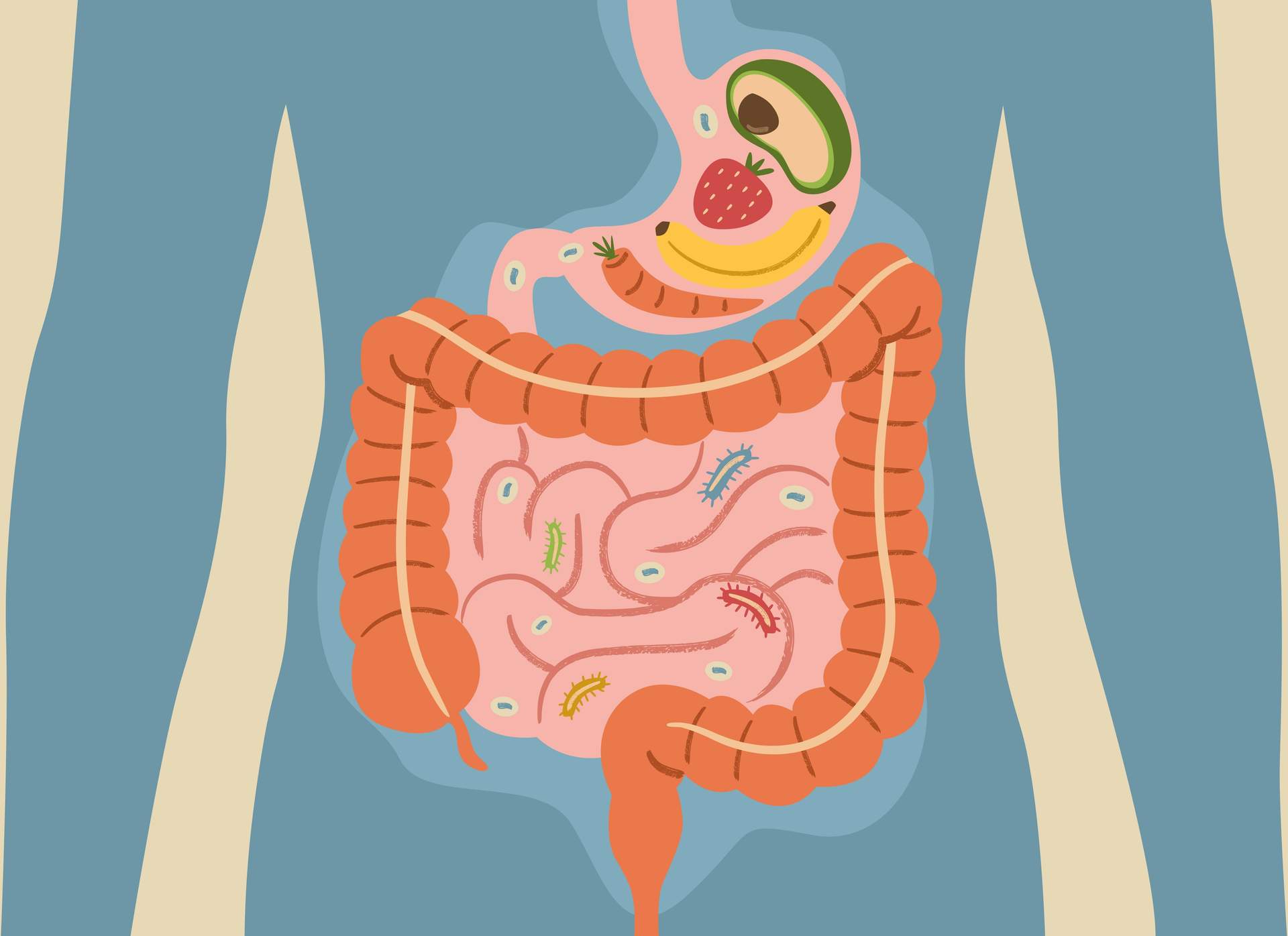
Probiotic supplements are everywhere right now — and so are the price tags that come with them. But here's the thing: some of the most effective gut-supporting foods in the world are already sitting in your kitchen. Fermented foods have been nourishing digestive health for centuries, and modern science is finally catching up with what our grandparents already knew.
If your digestion feels sluggish, your gut flora is out of balance, or you just want to support your immune system more naturally, these five fermented foods are worth adding to your daily routine — no capsules required.
Kefir — the king of probiotics
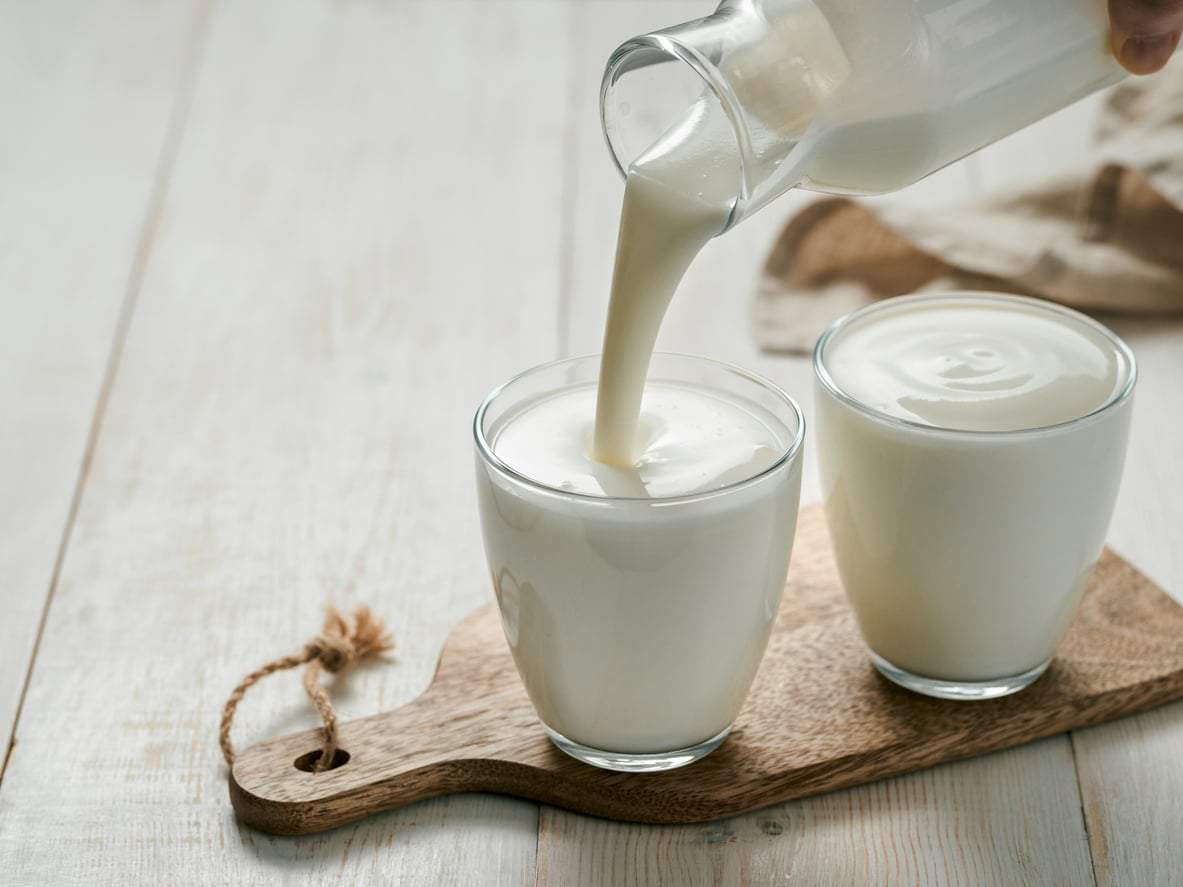
If there's one fermented food worth starting with, it's kefir. This tangy, drinkable dairy product is one of the richest natural sources of live probiotic cultures you can find. Originating in the Caucasus mountains, kefir has been valued for centuries for its ability to restore gut flora balance — which plays a central role in both healthy digestion and a resilient immune system.
The good news? You don't need much. A single glass a day is enough to start feeling the benefits. It's widely available in supermarkets and works well as a morning drink or a base for smoothies.
Live-culture plain yogurt — the everyday superfood
Plain yogurt with live cultures is one of the simplest and most accessible fermented foods out there. Those beneficial bacteria do real work inside your digestive system — helping break down food, improving nutrient absorption, and supporting your immune defenses.
The key is choosing a yogurt that clearly states it contains live and active cultures, not just any yogurt on the shelf. Try it at breakfast with fruit and granola, or use it as a base for dressings and dips. Small daily habits like this add up quickly when it comes to the long-term benefits of regular yogurt consumption.
Sauerkraut — not just a winter staple
Sauerkraut tends to get overlooked, but it deserves a permanent spot in your fridge. Fermented cabbage is packed with vitamin C and loaded with beneficial bacteria that form naturally during the fermentation process. These microbes help diversify your gut flora — and a more diverse gut microbiome is strongly linked to better immune function and overall health.
It's also incredibly easy to incorporate into everyday meals. Add it as a side dish, pile it onto sandwiches, or stir it into grain bowls. Just make sure you're buying the unpasteurized kind — heat destroys the live cultures that make it so valuable.
Kimchi — bold flavor, powerful gut benefits
Kimchi, the spicy fermented staple of Korean cuisine, has earned its place as one of the most nutrient-dense fermented foods on the planet. Made from cabbage, radish, garlic, and a blend of spices, it's rich in probiotics, antioxidants, and anti-inflammatory compounds that support both digestion and cellular health.
If you enjoy bold, spicy flavors, kimchi is an easy and delicious way to diversify your gut bacteria. It works as a side dish, a topping for rice or noodles, or even stirred into scrambled eggs for a surprisingly good breakfast.
Kombucha — the fermented drink worth the hype
Kombucha has become one of the trendiest health drinks of the past decade — and for good reason. This lightly fizzy, tea-based drink is fermented with a symbiotic culture of bacteria and yeast, producing a naturally probiotic-rich beverage that can help support digestion and restore gut balance.
It comes in a wide range of flavors, and you can even brew it at home if you're feeling adventurous. That said, moderation matters here: drinking too much kombucha at once can cause bloating or heartburn, especially if your gut isn't used to it. Start with a small glass and work your way up.
Fermented foods are nature's most concentrated source of gut-friendly bacteria. They support your digestive system naturally — without the cost or guesswork of expensive supplements.
The best part? These foods don't require a complete diet overhaul. Even small, consistent additions — a spoonful of sauerkraut here, a glass of kefir there — can make a meaningful difference to how your gut feels over time. Start with one, see how your body responds, and build from there.