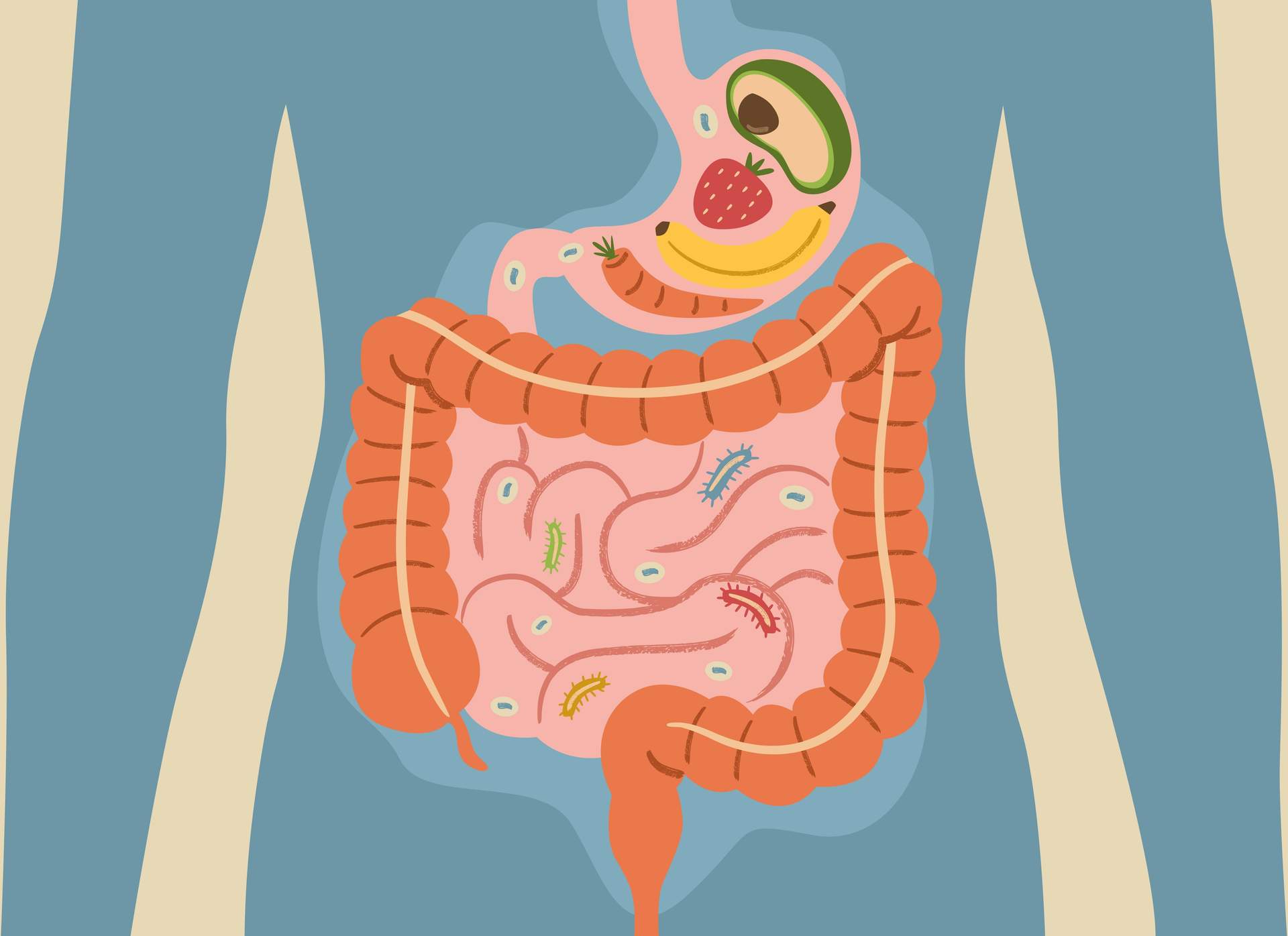
When you're already emotionally running on empty, the last thing you need is your body piling on — yet that's exactly what happens to so many of us. Stress doesn't stay in your head. It travels straight to your gut, and one of the most common — and frustrating — results is bloating. The worst part? It can appear out of nowhere. You haven't changed your diet, you haven't eaten anything unusual, yet your stomach feels like it's joined forces with your bad day.
The reason lies in something called the gut-brain axis — a constant, two-way communication channel between your digestive system and your nervous system. Experts often call the gut your "second brain," and for good reason: it's exquisitely sensitive to your emotional state. When you're calm, that connection supports healthy digestion. When you're anxious or stressed, it can throw everything off balance.
What actually happens in your body when stress hits
The moment stress kicks in, your body automatically switches into "fight or flight" mode. This is an ancient survival mechanism — originally designed to help you react fast in the face of danger.
We're no longer running from predators, but a looming deadline or an uncomfortable confrontation triggers exactly the same response in your body.
Your system floods with stress hormones like cortisol and adrenaline, and every available resource gets redirected toward one goal: getting you ready to flee or fight.
One of the casualties of this process is your digestion. Blood flow shifts away from your gut and toward your muscles. Intestinal movement slows down, digestive enzyme production drops, and food sits in your stomach longer than it should. When food isn't broken down properly, gas builds up — and that's what causes bloating, often completely out of the blue.
Why stress hits everyone's gut differently
This process doesn't look the same for everyone. For some people, the slowdown causes uncomfortable fullness and bloating. For others, stress has the opposite effect — triggering cramps or diarrhea. This is why people with irritable bowel syndrome (IBS) often notice their symptoms flaring during difficult periods. But even without a diagnosis, a stressful situation can quite literally hit you in the stomach.
Your body also has a counter-mode to fight or flight, sometimes called the "rest and digest" state. In this mode, stress hormones drop, blood flow returns to the digestive tract, and food is broken down far more efficiently. It's no coincidence that experts consistently say your digestion works best when you eat in a calm, relaxed state.
6 things you can do when stress is making you bloat
You can't always eliminate stress from your life — but how you respond to it makes a real difference to how your body handles it.
1. Slow down before you eat
Give yourself a few minutes to decompress before sitting down to a meal. A simple breathing exercise — slow, steady inhales and exhales — can genuinely shift your body into a calmer state where digestion flows more easily. Even two or three minutes makes a difference.
2. Eat slowly and with intention
Eating on the go, half-distracted, while scrolling or working essentially keeps your stress response running. Sitting down and focusing on your food — even briefly — signals safety to your nervous system. As a bonus, eating more slowly means you swallow less air, which directly reduces bloating.
3. Choose easy-to-digest foods
High-fiber raw vegetables and hard-to-digest foods are tougher on a stressed gut. When you're going through a rough patch, warm, simple, easily digestible meals tend to work much better. A bowl of soup or a lightly cooked dish isn't just gentler on your stomach — it can feel genuinely soothing too.
4. Skip the fizzy drinks and chewing gum
Some everyday habits quietly make bloating worse. Carbonated drinks introduce extra gas into your system, while chewing gum or drinking through a straw means you're swallowing more air than you realize. None of these feel significant on their own, but together they can noticeably amplify bloating.
5. Go easy on comfort foods
Reaching for something indulgent when you're stressed is completely human — no judgment here. But it's worth knowing that heavily processed, sugary, or fatty foods often only help in the short term, and can throw your gut further off balance afterward. Staying hydrated and making slightly more mindful choices during stressful periods can genuinely ease the discomfort.
6. Chew your food properly
Digestion begins in your mouth, and if you rush through that step, your stomach has to work much harder to compensate. Stress makes us eat faster almost automatically — but simply slowing your chewing can give your whole digestive system a chance to catch up. It's one of the smallest changes with one of the biggest payoffs.