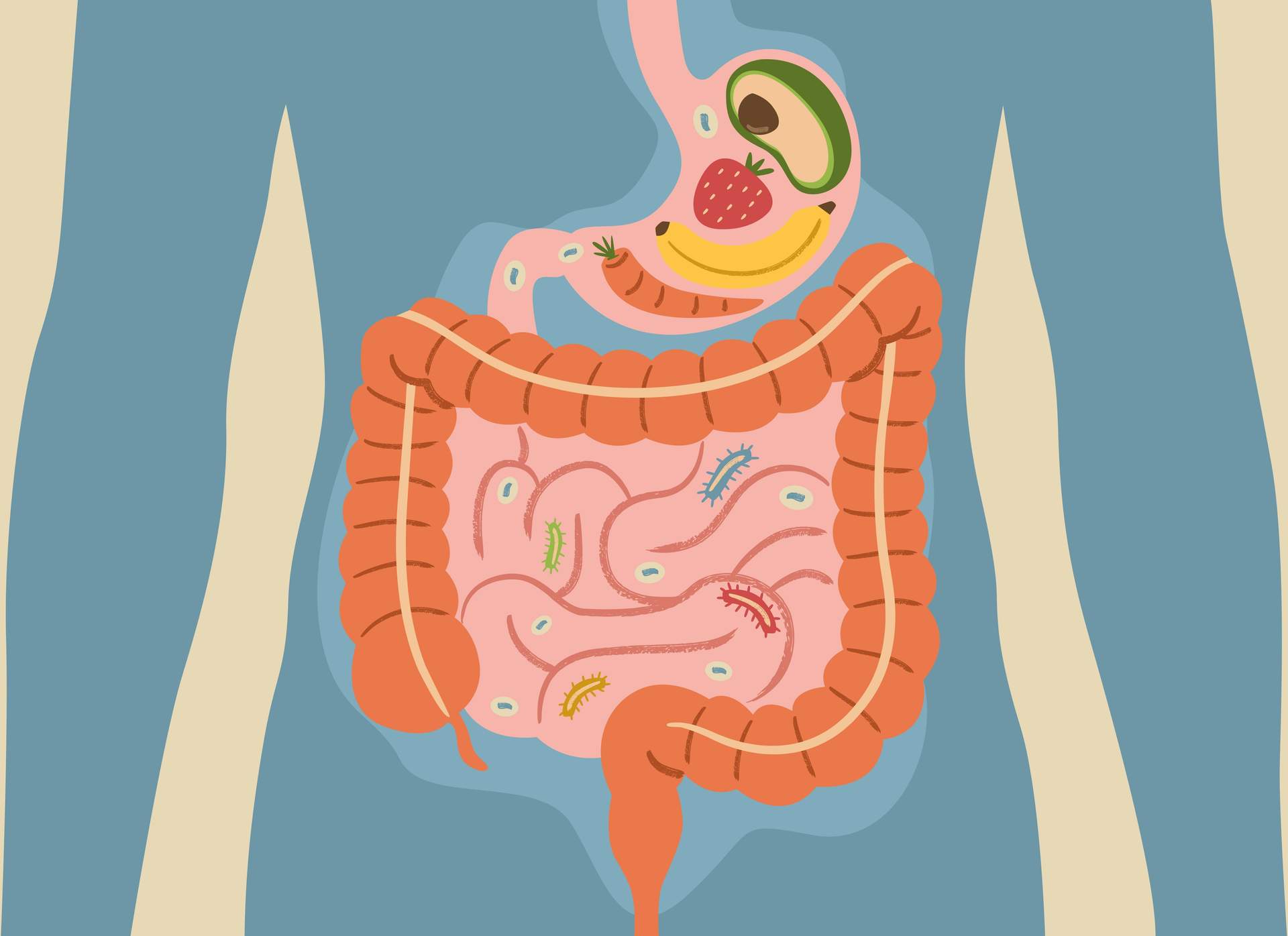
Your sleep shapes almost everything about how you feel — how well you fight off illness, how quickly your brain processes information, even your mood. But here's something most people never consider: the quality of your nights may also be quietly steering the health of your gut.
Science now points to a remarkably close, two-way relationship between sleep and digestion. Skimp on rest and your digestion suffers almost immediately — while deep, restorative sleep helps keep your entire body in balance.
The gut-brain axis and the role of sleep
It may sound surprising, but the amount and quality of your sleep has a direct effect on your gut flora.
"Sleep deprivation leads to dysfunction of the gut microbiota, and sleep disorders are almost always accompanied by a change in the composition of the gut microbiota," explains neurologist Dr. Fouzia Siddiqui.
Every part of the body needs rest — and your digestive system is no exception.
"We now know the gut-brain axis is vital to keeping the body in good shape, and it's fascinating to realise that even the microbiome needs a period of rest," adds medical director Dr. Charles Akle.
He points out that sleep is responsible for resetting and repairing nearly all of the body's metabolic processes.
The most familiar example of how bad sleep affects digestion is jet lag. When you sleep poorly, the result is automatically weaker digestion and a foggier, slower brain.
How chaotic sleep throws off digestion and triggers inflammation
The vast majority of your microbiome lives in your gut, and it plays an enormous role in your overall wellbeing. These tiny organisms are affected by the same need for rest and regeneration that plays out during your sleep cycle.
When you sleep badly, it leaves its mark on your diet too: fatigue makes you far more likely to reach for the wrong foods, and poor nutrition then works against the health of your gut — and your entire body.
Too little sleep can even cause physical symptoms, such as acid reflux. According to Dr. Siddiqui, a lack of the sleep hormone melatonin may be closely tied to reflux, since melatonin also helps regulate the movement of the gastrointestinal tract. Even more concerning, sleep deprivation can trigger an inflammatory response in the body.
"Sleep deprivation disrupts the natural, healthy balance of immune cells, causing them to overreact and set off inflammatory processes," warns Dr. Siddiqui. "This can lead to long-term genetic changes in immune stem cells, raising the risk of chronic inflammatory diseases and cardiovascular conditions."
Back to that jet lag example: the sluggishness and higher risk of infection so many of us feel after long trips are no coincidence. Poor sleep weakens both the gut and the immune system, which is exactly why we catch bugs so easily after travelling.
Bacteria versus sleep hormones: a closed loop
Melatonin is our most important sleep hormone, and if we don't produce enough of it, our gut bacteria can't thrive either. Few people realise this, but the gut is one of the main sites of melatonin synthesis. Some studies suggest that melatonin levels in the gut can be up to 400 times higher than those measured in the pineal gland — the brain's main melatonin-producing centre.
But this is a two-way street: "The gut microbiota can influence the activity of the enzymes responsible for melatonin synthesis," says Dr. Siddiqui. "When the balance of the gut flora is disrupted, it can impair the body's ability to produce melatonin, directly contributing to sleep disorders."
An amino acid called tryptophan also plays a key role, as it's the precursor to melatonin. Part of your tryptophan is converted into serotonin — the so-called happiness hormone — which supports emotional stability. But outside the gut, the body simply can't turn tryptophan into melatonin. In other words, your gut microbiome directly shapes your nightly sleep through tryptophan synthesis.
The bottom line: to have a healthy microbiome, you need to sleep well — and to sleep well, your microbiome needs to be in good shape.
A simple guide to restoring your gut and sleep hygiene
If you're struggling with disrupted sleep, inflammation, or digestive issues, these everyday habits can help you turn the cycle around:
- Aim for consistency. A regular sleep and meal schedule is the fastest route to restful nights. Target 7 to 9 hours of sleep a night. Dr. Akle advises against heavy dinners before bed and steering clear of late-night snacking. That's especially true for fatty meats, which take longer to digest and drain the energy your body needs for repair.
- Eat with variety. A colourful, varied diet leads to a diverse microbiome, which in turn supports better sleep. Fill your plate with seasonal fruit, vegetables and fermented foods. Dr. Siddiqui recommends whole grains, nuts, seeds and legumes, while cautioning against ultra-processed foods, refined sugar, alcohol, and caffeine after 2 p.m.
- Rethink your bedroom. Keep your bedroom dark, cool and quiet. Switch off screens (phone, TV) at least an hour before bed to reduce blue-light exposure, which suppresses melatonin production. And since stress instantly damages the gut flora through the gut-brain axis and keeps you wired, build in a few tension-releasing practices before bed — like meditation or yoga — to clear the day's worries from your head.
Can poor sleep really affect digestion?
Yes. Sleep deprivation can disrupt the gut microbiota, weaken digestion and even trigger symptoms like acid reflux, since a lack of melatonin affects how the gastrointestinal tract moves.
What is the gut-brain axis?
It's the two-way connection between your gut and your brain. Experts say it's vital to keeping the body in good shape, and even the microbiome needs periods of rest tied to your sleep cycle.
How does the gut affect melatonin?
The gut is one of the main sites of melatonin production and can influence the enzymes responsible for it. When gut flora is out of balance, the body's ability to make melatonin drops, which can directly cause sleep problems.
How much sleep should I aim for?
Experts in the article recommend 7 to 9 hours a night, along with a consistent sleep and meal schedule to support both restful nights and a healthy microbiome.