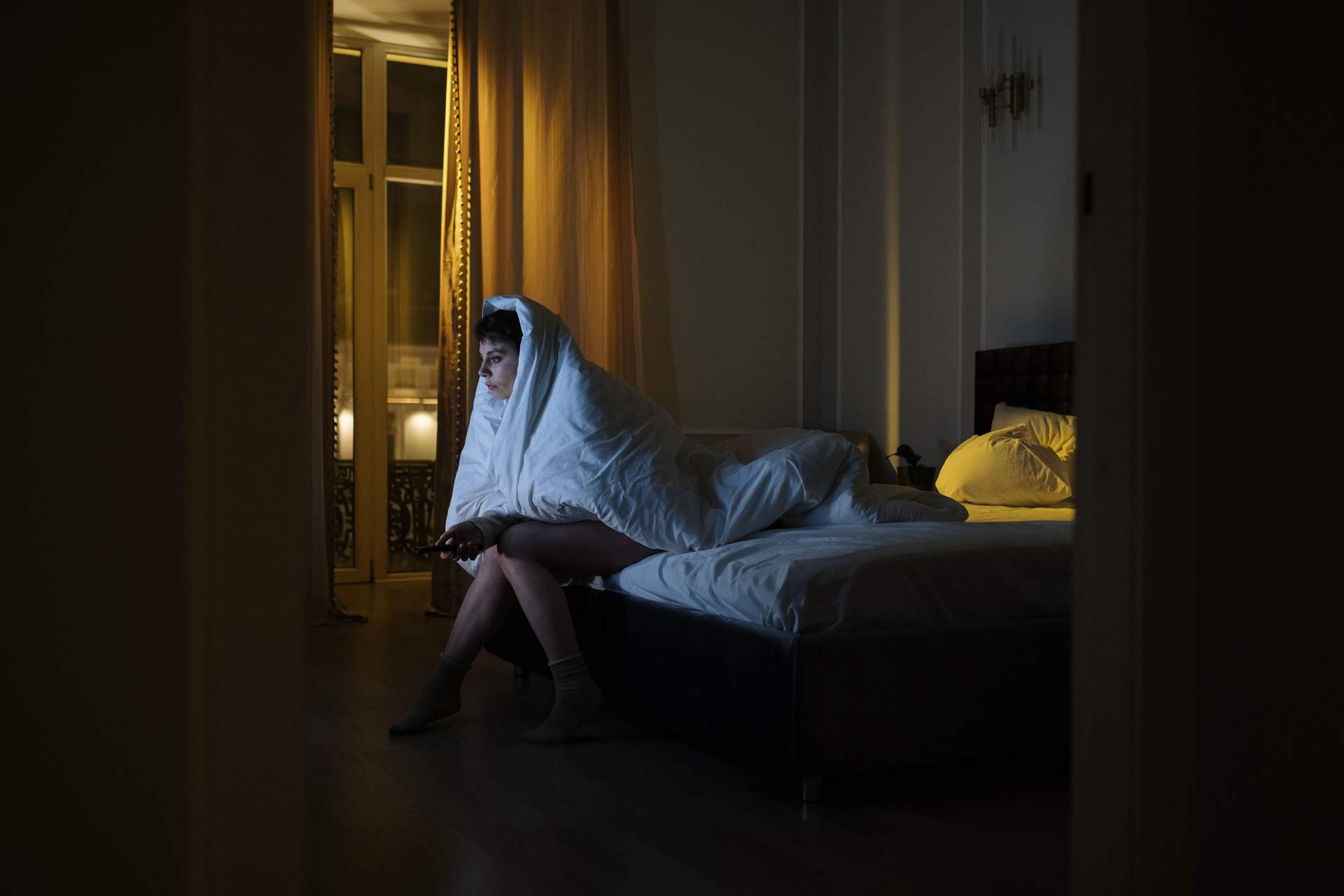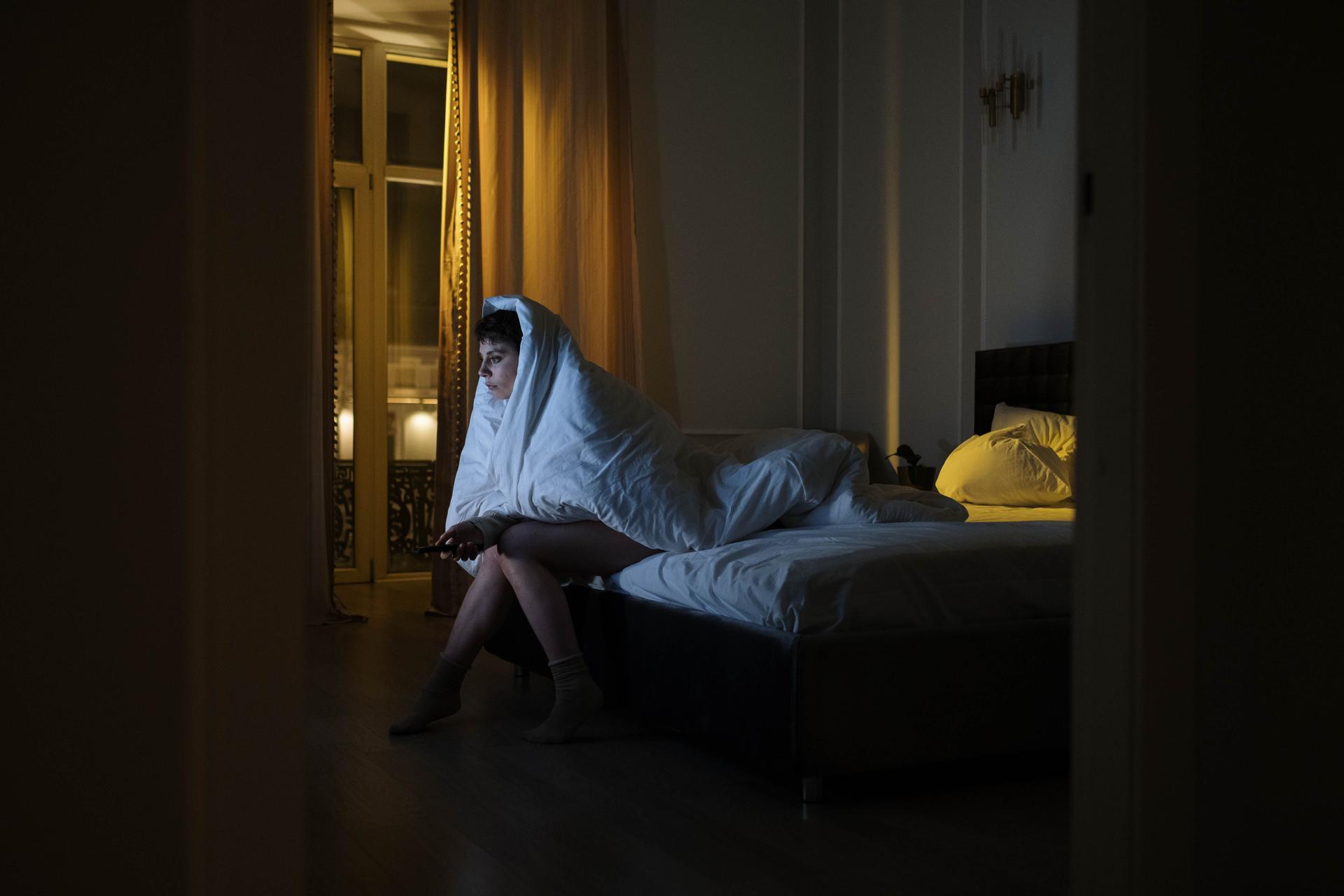
It's three in the morning. You're staring at the ceiling with no idea why sleep won't come. A silvery light slips through the gap in your curtains, and somehow you just know — tonight there's a full moon.
For thousands of years, the human body set its internal clock by the rhythm of sunlight and moonlight, because no other light source existed. Melatonin — the hormone released by the pineal gland that eases us into sleep — is remarkably sensitive to how much light we're exposed to, and to its quality. On a full moon, the nighttime environment is objectively brighter than on moonless nights. And that difference, however tiny it seems, is enough to disturb the rhythm of the hormone's release.
Sleep lab measurements show that on full-moon nights, people drift into deep sleep later, and the NREM phases — those deep, restorative stages when the body truly recovers — grow shorter. That means even if you clock the same number of hours, the quality of your sleep drops. You spend less time in the phase where tissues repair themselves and the brain processes the day's input.
Your body isn't gullible. It's simply doing exactly what millions of years trained it to do: reacting to light, even when that light is just a distant sunbeam bouncing off a faraway ball of rock.
Why it feels so personal
People often say they feel more restless, more irritable, or simply wide awake for no reason on a full moon. There's an interesting duality here: the measurable, biological effect really does exist, but how strongly it hits varies enormously from person to person. Some barely notice it. Others get the same few rough nights back every single month. If you're already a light sleeper — the kind who wakes at city lights outside the window — the effect of moonlight tends to hit you harder too.
Spiritual traditions have long claimed the full moon revs up our energy, that emotions run higher and dreams grow more vivid during these nights. Lay that old observation next to modern sleep research and a logical picture emerges: the genuine rise in light, the lower melatonin levels, and the shallower sleep combine to create that sense that something is different in the air. You don't need any explanation more mystical than a simple light-sensitive hormone system that still works exactly as it did when our ancestors slept under the open sky.
What to do if you feel the effect
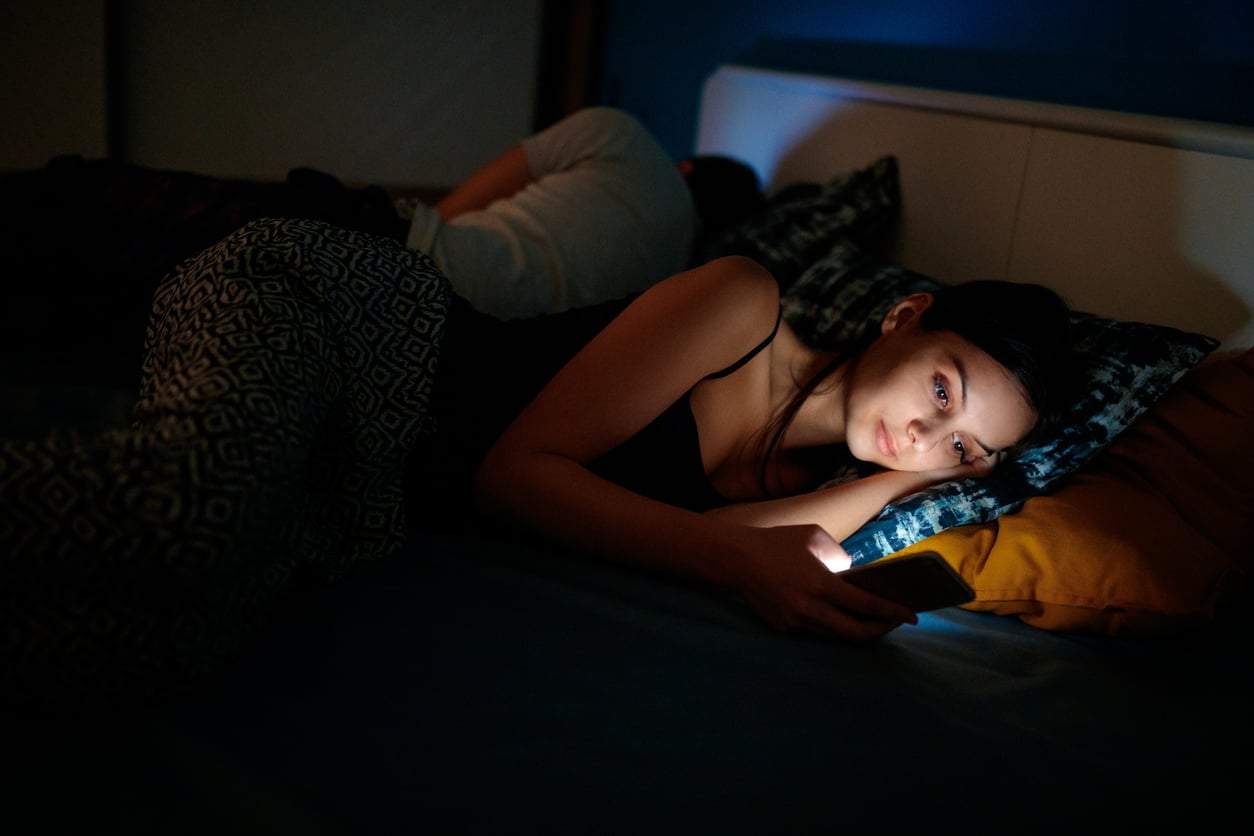
The simplest and most effective step is to cut down on light pollution. A blackout curtain or a good-quality sleep mask can make a real difference, because it shuts out the extra light your body would otherwise respond to. It's also worth switching off your screens a little earlier on full-moon nights, since blue light and moonlight stack on top of each other and can hold back melatonin release even more.
Some people find it genuinely helpful to wind down the day's tension before bed — with a cup of warm, caffeine-free tea, a little reading, or a few minutes of breathing exercises. Not to stop the moon's pull, but to give the body a gentle nudge toward calm.
And if you do wake in the night and find yourself staring at the ceiling, there's no need to panic: it's a temporary thing that lasts a few hours, and within a few days — as soon as the moon starts to wane — it fades on its own.
It's a strange thing to sit with: that a body hundreds of thousands of kilometers away can still, after all this time, influence when our eyes finally close. But maybe that's exactly what makes our sleep so stubbornly human — the fact that it was never truly independent from what's happening above us in the sky.
Does the full moon really affect sleep?
Yes. Sleep lab measurements show people fall into deep sleep later on full-moon nights, and their restorative NREM phases become shorter. The night environment is objectively brighter, which can disturb melatonin release.
Why does a full moon make it harder to fall asleep?
Melatonin, the hormone that triggers sleep, is highly sensitive to light. The extra brightness of a full moon can disrupt its release rhythm, making it harder to drift off and lowering the quality of your rest.
Does the full moon affect everyone the same way?
No. The biological effect is real, but its intensity varies from person to person. Light sleepers — those who already wake at city lights — tend to feel the impact of moonlight more strongly.
How can I sleep better during a full moon?
Reduce light exposure with a blackout curtain or a sleep mask, switch off screens a little earlier, and wind down with warm caffeine-free tea, reading, or a few minutes of breathing exercises.
How long does full-moon sleep disruption last?
It's temporary, usually lasting a few hours per night. Within a few days, as the moon begins to wane, the effect fades on its own.