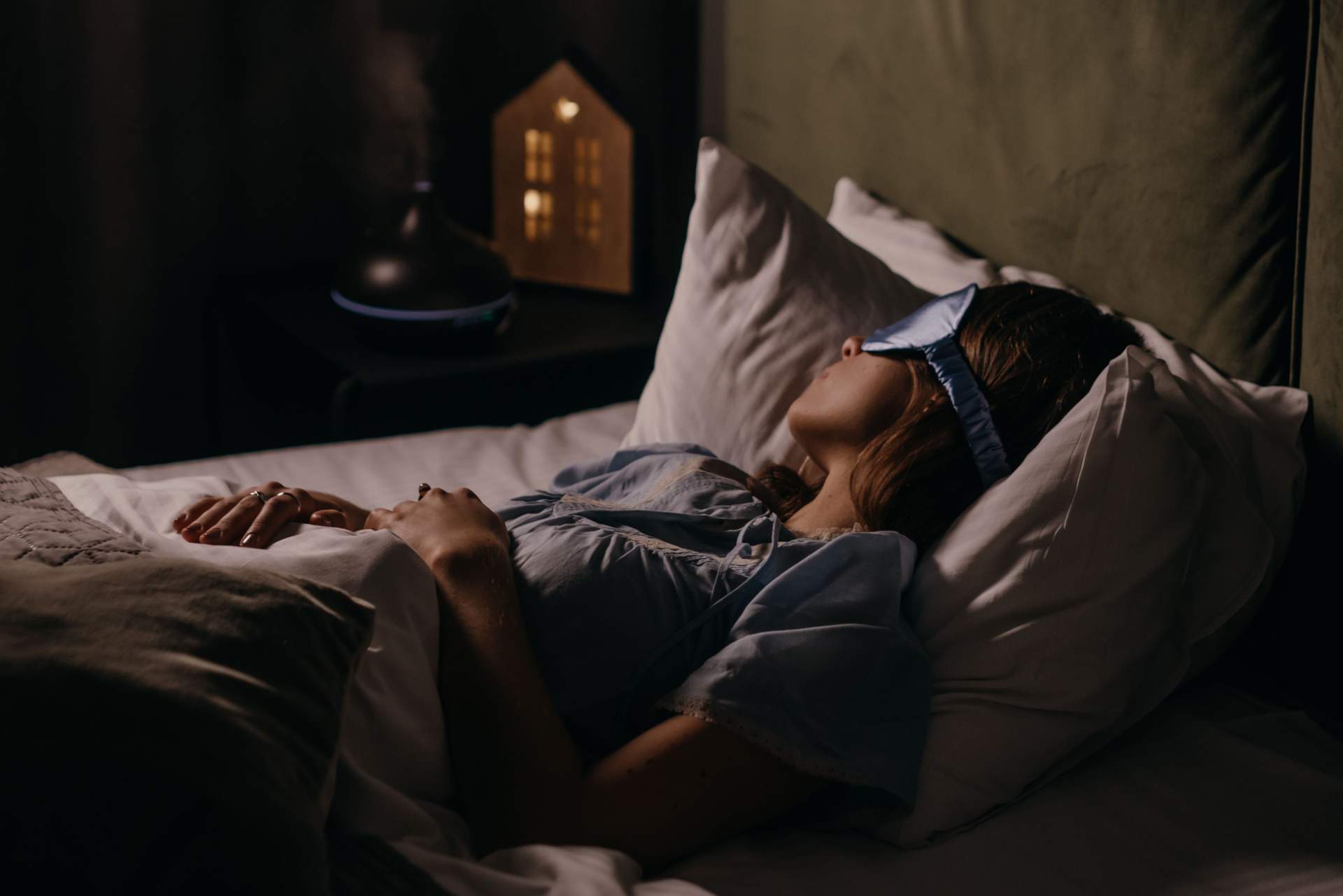
You do everything "right" — you go to bed on time, you close your eyes, you wait for sleep to come. So why do you still wake up feeling like you never really rested?
The answer might be hiding in a few tiny habits you don't even think twice about. Some of the most ordinary nighttime routines quietly interfere with melatonin, the hormone your body relies on to fall asleep and repair itself overnight. Here are three of the most common culprits — and how to fix them.
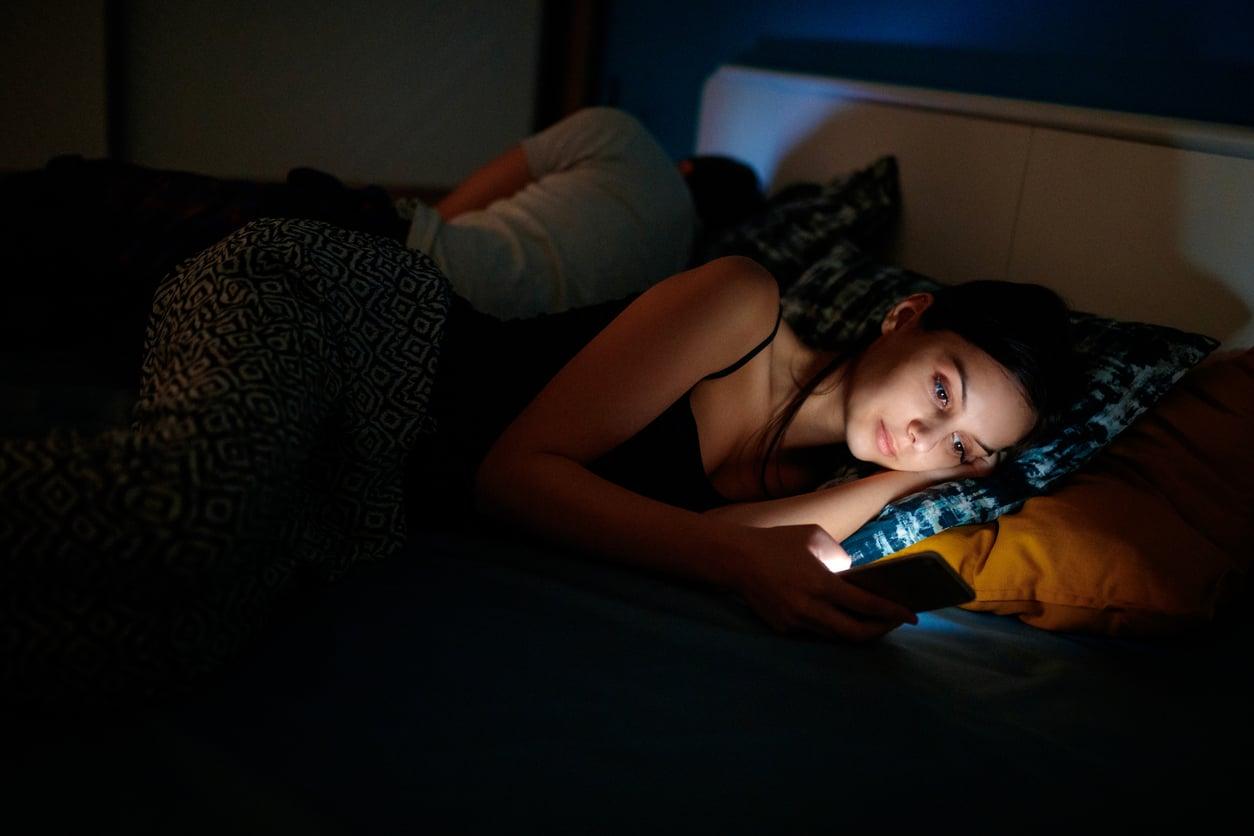
Scrolling your phone in bed
You know the feeling. You're finally lying down, and you tell yourself you'll just check social media for a minute or read one last headline. That "one minute" turns into twenty, and your brain is suddenly wide awake.
This simple habit seriously affects how well you fall asleep.
The blue light your devices emit blocks the production of melatonin, which means your body can't properly shift into nighttime recovery mode. The signal that should tell your brain "it's time to sleep" simply doesn't arrive on time.
The fix is easier than it sounds: put the phone down at least half an hour before bed, or switch to a warm-light night mode if you truly can't disconnect.
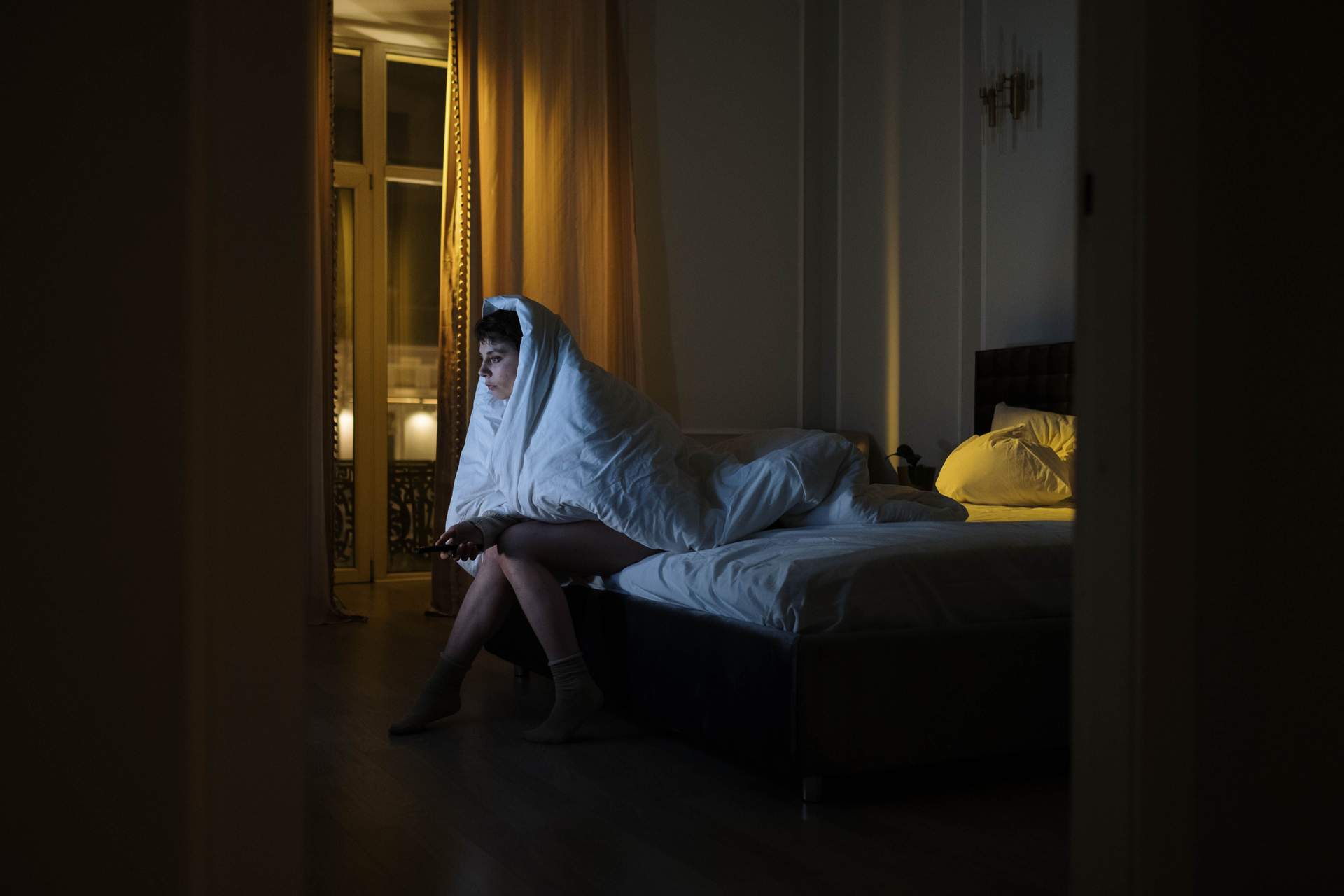
Late-night snacking
Many of us reach for a little something to nibble on during an evening movie. But eating too close to bedtime works against you, because an active digestive system makes it harder to slip into deep sleep.
Instead of resting, your body focuses on digesting — and that quietly disrupts your natural sleep rhythm.
Your body simply can't prepare properly for overnight recovery.
If hunger tends to hit late, try finishing your last real meal a couple of hours before bed, and keep any evening snack light.
The temperature of your bedroom
It might seem like a small detail, but the temperature of your bedroom has a big impact on the quality of your sleep. When the room is too warm, your body temperature rises — and that gets in the way of melatonin production.
Aim for a setting that leans slightly on the cool side. A cooler room makes it far easier for your body to switch into sleep mode, mirroring the natural drop in body temperature that happens as you drift off.
So if you want your body to recover the way it's meant to overnight, pay attention to these small but powerful details. As ordinary as they seem, they have a real effect on how rested you feel the next morning.
Why does blue light affect sleep?
The blue light from phones and screens blocks melatonin production, so your body can't properly prepare for overnight recovery and it becomes harder to fall asleep.
Is eating before bed bad for sleep?
Eating too close to bedtime keeps your digestive system active, which makes it harder to reach deep sleep. Your body focuses on digestion instead of rest, disrupting your natural rhythm.
What's the ideal bedroom temperature for sleep?
A slightly cooler room is better. When it's too warm, your body temperature rises and interferes with melatonin, while a cooler space helps you shift into sleep mode more easily.
What is melatonin and why does it matter?
Melatonin is the hormone your body relies on to fall asleep and repair itself overnight. When everyday habits block its production, the quality of your rest suffers.