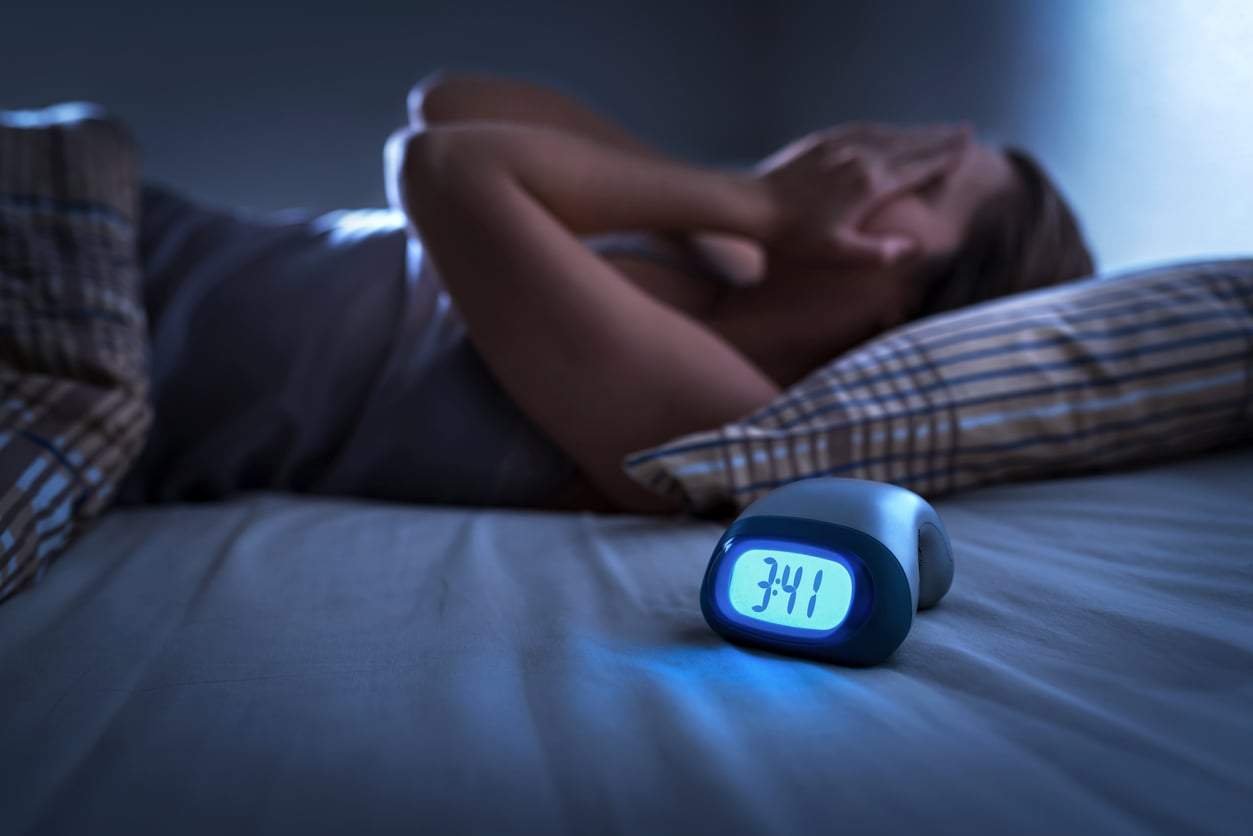
You set your alarm, got your eight hours, and still woke up feeling like you hadn't slept at all. Sound familiar? If you've been brushing it off as stress or a busy week, there might be something else going on — something far less obvious.
The silent culprit could be chronic inflammation. And the most surprising part? It shares a deeply intertwined relationship with your sleep — one that can spiral in both directions before you even realize it's happening.
The secret connection between sleep and inflammation
It doesn't seem obvious at first, but sleep and immune function are far more closely linked than most people think. Dr. Sarathi Bhattacharyya, a pulmonologist and sleep medicine specialist, points out that the body's inflammatory processes can directly affect the quality of your sleep — night after night.
Dr. Ana Krieger, Director of the Center for Sleep Medicine at Weill Cornell Medicine, takes it a step further: this relationship runs in both directions. Chronic inflammation can wreck your sleep, and poor sleep can intensify inflammation. It becomes a self-reinforcing cycle — and over time, that cycle can take a serious toll on your overall health.
What actually happens in your body when inflammation disrupts sleep
When inflammation flares, your body produces proteins called cytokines — tiny molecular messengers that coordinate your immune response.
According to Dr. Krieger, these molecules also play a direct role in regulating sleep. Some cytokines promote sleep; others keep you awake. When inflammation becomes chronic, that delicate balance breaks down — and your nights pay the price.
The result can look like:
- waking up repeatedly through the night,
- light, unrefreshing sleep that leaves you drained,
- and persistent daytime fatigue no amount of coffee can fix.
Dr. Morgan Soffler, assistant professor at New York Medical College with a specialty in sleep medicine, adds that inflammation also interferes with the brain's hormonal balance. Disrupted serotonin and dopamine levels can fragment sleep and strip it of its restorative power.
And then there are the physical symptoms — joint pain, headaches, digestive discomfort — that make it harder to fall asleep in the first place, or jolt you awake when you finally do.
When bad sleep feeds the inflammation
Here's where it gets even more concerning: the relationship isn't one-sided. Poor sleep doesn't just result from inflammation — it actively creates more of it.
A study published in Communications Biology found that chronic sleep deprivation can lead to a state of persistent low-grade inflammation, which over time raises the risk of cardiometabolic disease, autoimmune conditions, and even neurodegenerative disorders.
Dr. Krieger explains that sleep loss throws the immune system off balance, triggering a surge in pro-inflammatory compounds throughout the body.
Consistently poor or insufficient sleep:
- raises levels of inflammation-promoting molecules,
- suppresses melatonin production,
- and undermines the body's ability to repair and recover overnight.
Dr. Soffler emphasizes that melatonin isn't just a sleep hormone — it also has meaningful anti-inflammatory properties. When melatonin drops, your body loses one of its key defenses against internal inflammation.
Why spring makes this even harder
Spring brings a whole new set of challenges for your sleep. Longer days, shifting light exposure, and a surge in airborne allergens all put additional pressure on the body — and all of them can amplify both sleep disruption and inflammation.
If you've noticed your sleep getting worse as the season changes, you're not imagining it. Your body is working harder to adapt, and that effort comes at a cost.
What you can actually do about it
The good news: a handful of consistent habits can support both better sleep and lower inflammation at the same time.
- Move your body regularly. Dr. Soffler calls exercise one of the most powerful tools available for improving sleep quality and reducing inflammation — no prescription required.
- Keep a consistent schedule. Dr. Krieger stresses that going to bed and waking up at the same time every day — yes, even on weekends — is one of the most impactful things you can do for your sleep.
- Eat with intention. Cut back on ultra-processed foods and alcohol, and lean into naturally anti-inflammatory ingredients like leafy greens, berries, fatty fish, and olive oil.
- Manage stress before it manages you. Stress quietly drives up inflammation and degrades sleep quality — building in daily moments of genuine rest is not a luxury, it's maintenance.
- Take persistent sleep problems seriously. If you've been struggling for weeks or months, it's worth talking to a doctor. An underlying sleep disorder could be driving the cycle without you knowing.
The real key to waking up restored
Sleep is far more than passive rest. It's a precisely tuned biological process that keeps your body's internal systems in balance. When inflammation quietly disrupts that process — and poor sleep quietly feeds it back — the effects ripple across your energy, mood, and long-term health.
Pay attention to that cycle, and you won't just sleep better. You'll feel like a different person.