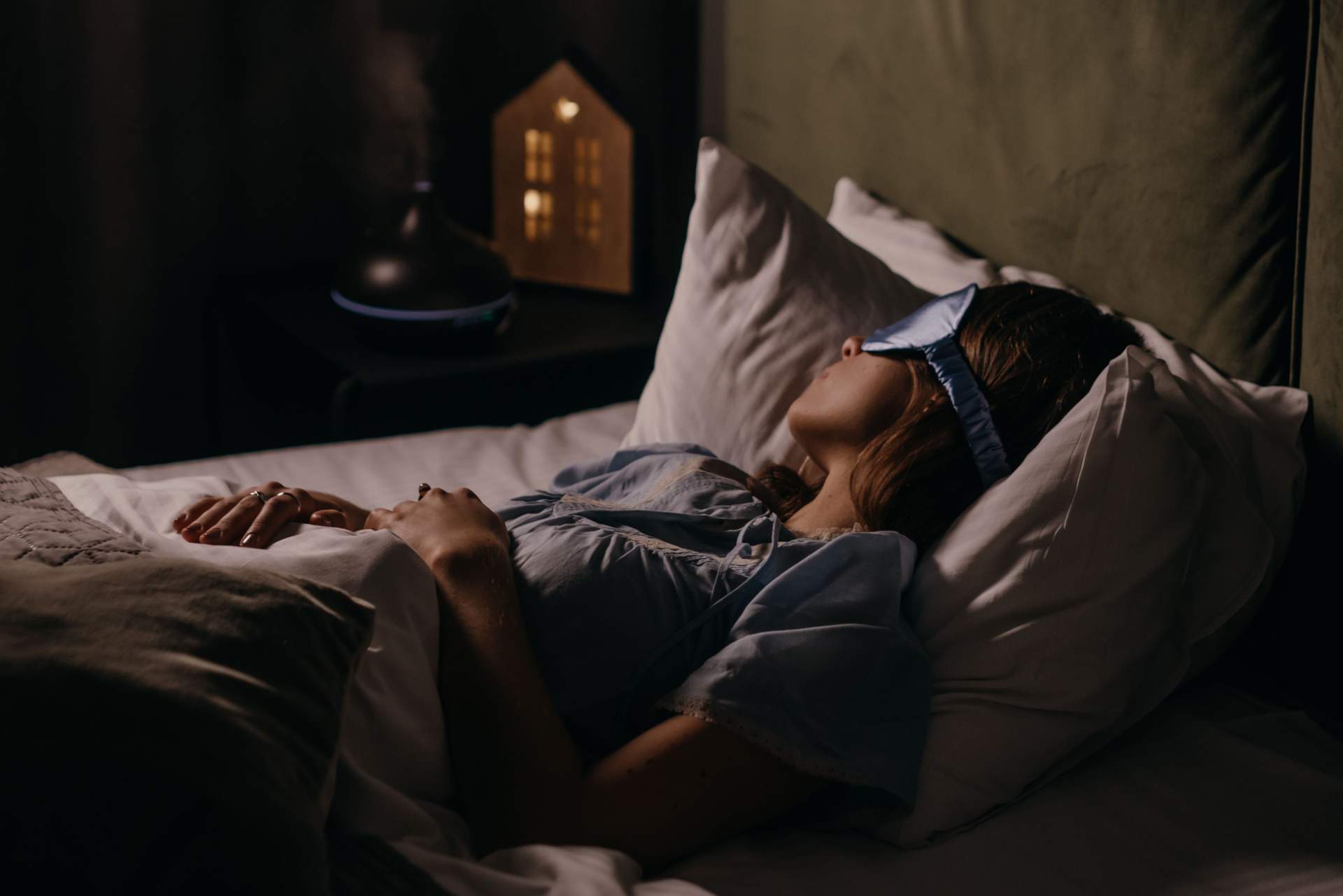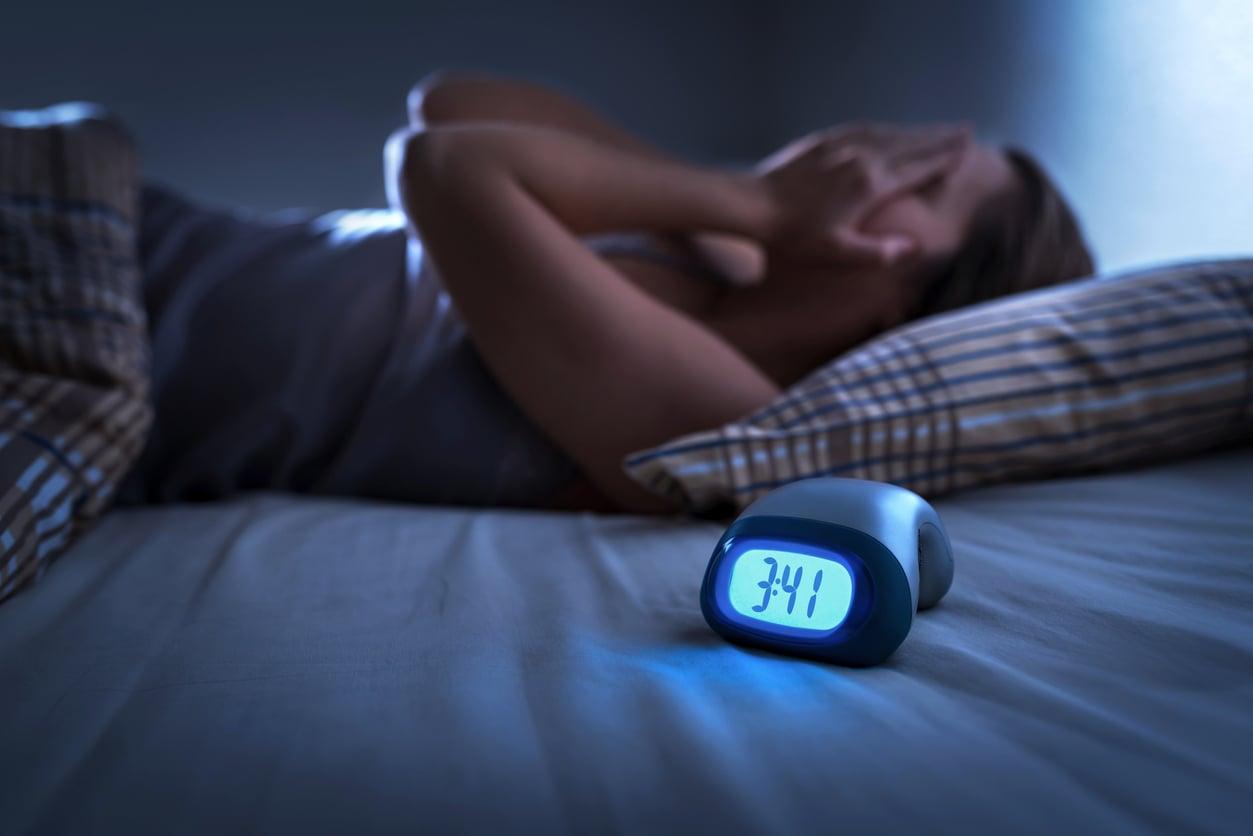
Few things are more frustrating than climbing into bed exhausted and realizing that sleep just won't come. You flip the pillow, stare into the dark, and watch every passing minute chip away at the hours of rest you have left.
An occasional bad night is nothing to worry about. But when restless nights become a pattern, they can quietly wear down your health, your focus, and your energy. The good news? In most cases there's a specific reason behind it — and where there's a reason, there's usually a fix.
Stress and anxiety
This is one of the most common reasons people simply can't drift off. When your mind is racing, your brain refuses to power down. Your nervous system stays switched on, your heart rate doesn't slow, and your body stays on high alert.
In that state, your brain acts as if there's a threat to face and keeps you awake instead of letting you fall asleep. Thoughts spin, you replay problems, you mentally rehearse tomorrow's to-do list — and even when you do nod off, the stress leaves you with lower-quality sleep.
Screen time before bed
Screens give off blue light, which suppresses the production of melatonin. Melatonin is the hormone that runs your internal clock and tells your body it's time to sleep.
Scroll through your phone or stare at a laptop right before bed, and your brain gets the message that it's still daytime — so it stays alert. The result is that you take longer to fall asleep, and the sleep you finally get is shallower. If you're curious how everyday habits shape your brain chemistry, it's worth understanding how melatonin actually works.
Alcohol
A lot of people assume a glass of wine helps them nod off, and in the short term it really can make you drowsy. The problem shows up later: as your body processes the alcohol, your sleep becomes lighter and more fragmented, especially in the second half of the night.
Alcohol disrupts REM sleep — the most restorative stage — and increases how often you wake up. And because it's a diuretic, you may find yourself making extra trips to the bathroom, too.
Your bedroom conditions
The ideal sleep environment is cool, dark, quiet, and comfortable. If any one of those is off, your sleep quality drops.
A warm room prevents the slight dip in body temperature you need to fall asleep. Light interferes with melatonin. Noises trigger brief awakenings even if you don't remember them in the morning. And uncomfortable bedding or clothing keeps you shifting position, breaking up your rest all night long.
Too much daytime sleep
A nap isn't a bad habit in itself, but if it runs too long or too late in the day, it can throw off your night. Your body builds up natural "sleep pressure" as the hours pass — the longer you're awake, the stronger the urge to sleep becomes.
Sleep too much during the day and that pressure fades, leaving you far less sleepy by bedtime. The result: you struggle to fall asleep and end up tossing and turning.
Late caffeine
If you drink coffee, soda, or an energy drink in the afternoon or early evening, the caffeine can still be active in your system at night. It blocks your brain from receiving the "time to sleep" signal, keeping you wired long after your body wants to rest.
Caffeine lingers longer than most people think. An afternoon coffee can keep you staring at the ceiling well past midnight.
Heavy meals before bed
Rich, fatty, or spicy foods late in the evening put your digestive system to work — the opposite of what your body needs to wind down. Bloating, reflux, or heartburn aren't just uncomfortable; they physically make restful sleep harder.
Timing matters, too. Aim to finish dinner two to three hours before bed so your body has time to start digesting before you lie down.
How to sleep better
Once you know what's behind your restless nights, you have something to work with. Put screens away at least an hour before bed. Keep your bedroom cool, dark, and quiet — and if noise is unavoidable, white noise or earplugs can help.
Build a calming pre-sleep routine: some gentle stretching, a cup of chamomile tea, a few pages of a book, or a warm bath. These won't necessarily solve everything in a single night, but practiced consistently, they make a real difference.
If you've been trying for weeks and your sleep is still broken, it's worth talking to a doctor — especially if you also notice snoring, pauses in breathing, restless legs, or extreme daytime sleepiness. These can point to a sleep disorder that's hard to fix on your own.
Why do I keep waking up in the middle of the night?
Frequent night waking is often linked to alcohol, a room that's too warm or noisy, or a late heavy meal. Each of these can fragment your sleep and pull you out of deeper, more restorative stages.
How long before bed should I stop using screens?
Aim to put your phone and laptop away at least an hour before bed. Their blue light suppresses melatonin, tricking your brain into thinking it's still daytime.
Does a glass of wine actually help me sleep?
It can make you drowsy at first, but as your body processes the alcohol your sleep becomes lighter and more broken, and it disrupts the restorative REM stage. So it tends to hurt sleep quality more than it helps.
When should I see a doctor about my sleep?
If your sleep stays broken for weeks despite your best efforts — especially alongside snoring, pauses in breathing, restless legs, or extreme daytime sleepiness — it's worth seeing a doctor, as these may signal a sleep disorder.