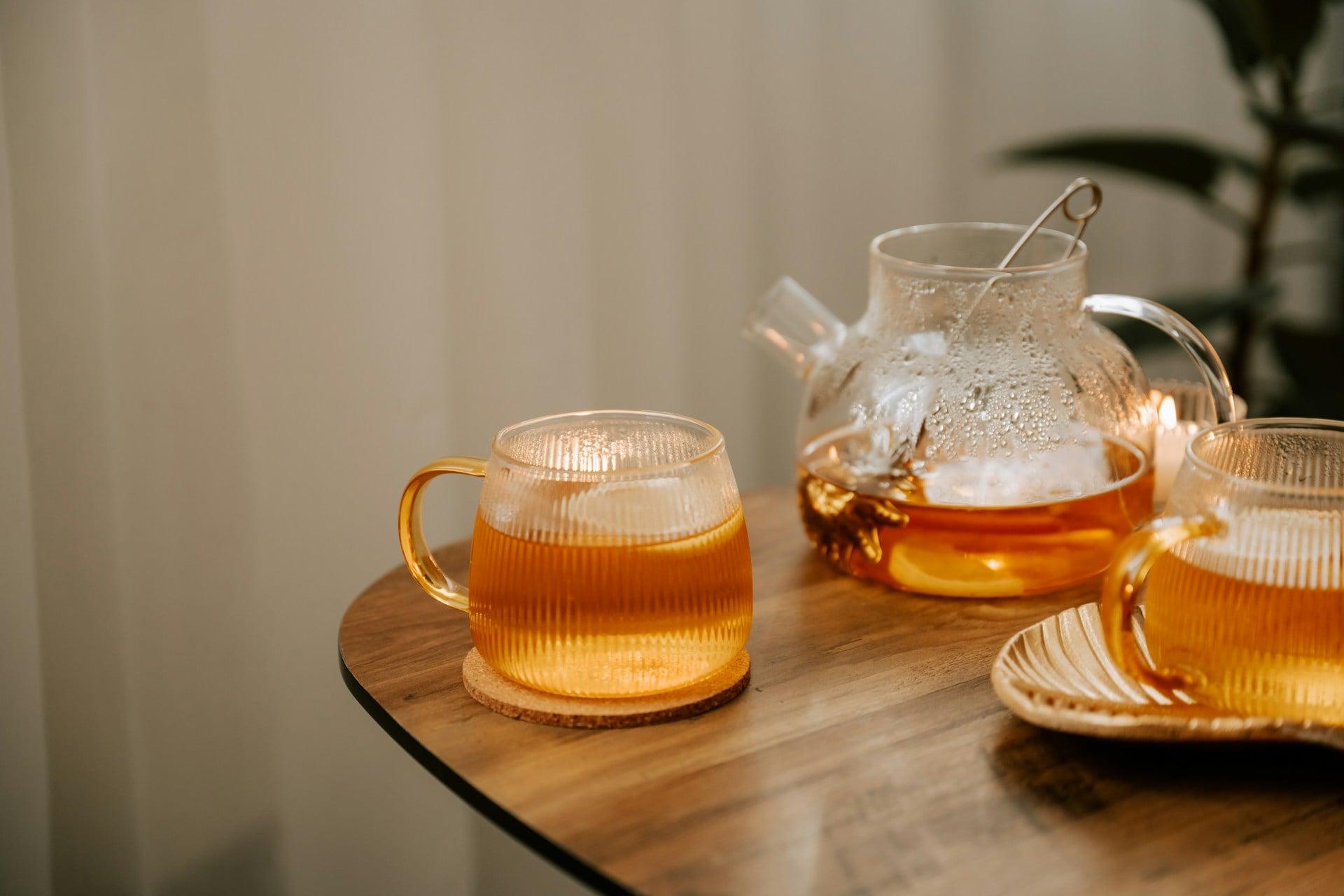
That box of green tea sitting in the back of your cupboard deserves better. Green tea is one of the oldest beverages on earth, and the enthusiasm surrounding it isn't just hype. When it becomes a daily habit, it can genuinely improve how you feel — without requiring any major effort or lifestyle overhaul.
Why green tea is different from black tea
Both green and black tea come from the same plant, Camellia sinensis. The difference is all in how they're processed. Green tea leaves are not fermented, which means they retain high levels of antioxidant polyphenols that break down significantly during the fermentation process used for black tea. That's the main reason green tea consistently ranks among the most health-conscious beverages you can choose.
What does green tea actually do for you?
The most celebrated compounds in green tea are catechins — particularly EGCG — which research suggests may help protect cells from oxidative stress. Green tea also contains caffeine, though considerably less than coffee, which gives it a gentler, more balanced energy boost.
- It may support metabolism, which is why it's often recommended alongside weight management efforts.
- The combination of caffeine and the amino acid L-theanine can contribute to better focus and concentration — without the jittery edge coffee sometimes brings.
- Its antioxidants may support the body's natural defense processes over time.
- Regular drinkers often describe a calmer, more sustained alertness compared to coffee — focused but relaxed.
It's worth being clear: green tea is not a medicine, and it doesn't replace medical treatment or a balanced diet. Think of it as a valuable supporting habit — one that pays off quietly over the long term.
How to brew it so you actually get the benefits
Green tea is a surprisingly sensitive ingredient. Pour boiling water straight onto the leaves and you'll end up with a bitter, astringent cup that's lost some of its beneficial compounds. Most experts recommend using water at 160–175°F (70–80°C) — roughly what you get if you let just-boiled water sit for a few minutes before pouring.
- Keep the steeping time to 2–3 minutes. Longer than that and bitterness takes over.
- Opt for loose-leaf green tea over teabags when possible — it tends to contain more active compounds and delivers a noticeably better flavor.
- You can re-steep the same leaves two or three times — each infusion offers a slightly different flavor profile and still carries benefits.
When and how much should you drink?
2 to 3 cups a day is a comfortable amount for most people — enough to notice a difference without pushing your caffeine intake too high. One important timing tip: try to avoid drinking green tea right during or immediately after meals. The tannins it contains can interfere with iron absorption, which is especially relevant for anyone already prone to low iron levels.
Many people enjoy it in the morning as an alternative or complement to coffee. Others prefer it in the afternoon as a gentler pick-me-up. Avoid it in the evening, though — even its modest caffeine content can be enough to delay sleep if you're sensitive.
Who should be more careful with green tea?
Green tea is generally considered safe, but people who are sensitive to caffeine, have low iron levels, or take certain medications should check with a doctor or dietitian before making it a daily habit. During pregnancy and breastfeeding, it's also wise to keep consumption moderate and seek professional guidance.
Green tea won't transform your health overnight. But as a small, intentionally built daily habit, it can make a real difference over time — especially when you stop expecting miracles and simply welcome it as a reliable, pleasant part of your routine.
Is green tea better for you than coffee?
They offer different benefits. Green tea has less caffeine and contains L-theanine, which promotes calm focus, while coffee delivers a stronger energy boost. Many people find green tea easier on the stomach and better suited for afternoon drinking.
Can green tea help with weight loss?
Green tea may support metabolism, which is why it's often included in weight management routines. However, it's not a standalone solution — it works best as part of a balanced diet and active lifestyle, not as a replacement for either.
Why does my green tea taste bitter?
Bitterness is almost always caused by water that's too hot or steeping for too long. Use water around 160–175°F (70–80°C) and limit steeping to 2–3 minutes for a smooth, pleasant cup.
Does green tea affect iron absorption?
Yes — the tannins in green tea can inhibit iron absorption when consumed with meals. To minimize this effect, drink it between meals rather than right before, during, or after eating, especially if you have low iron levels.