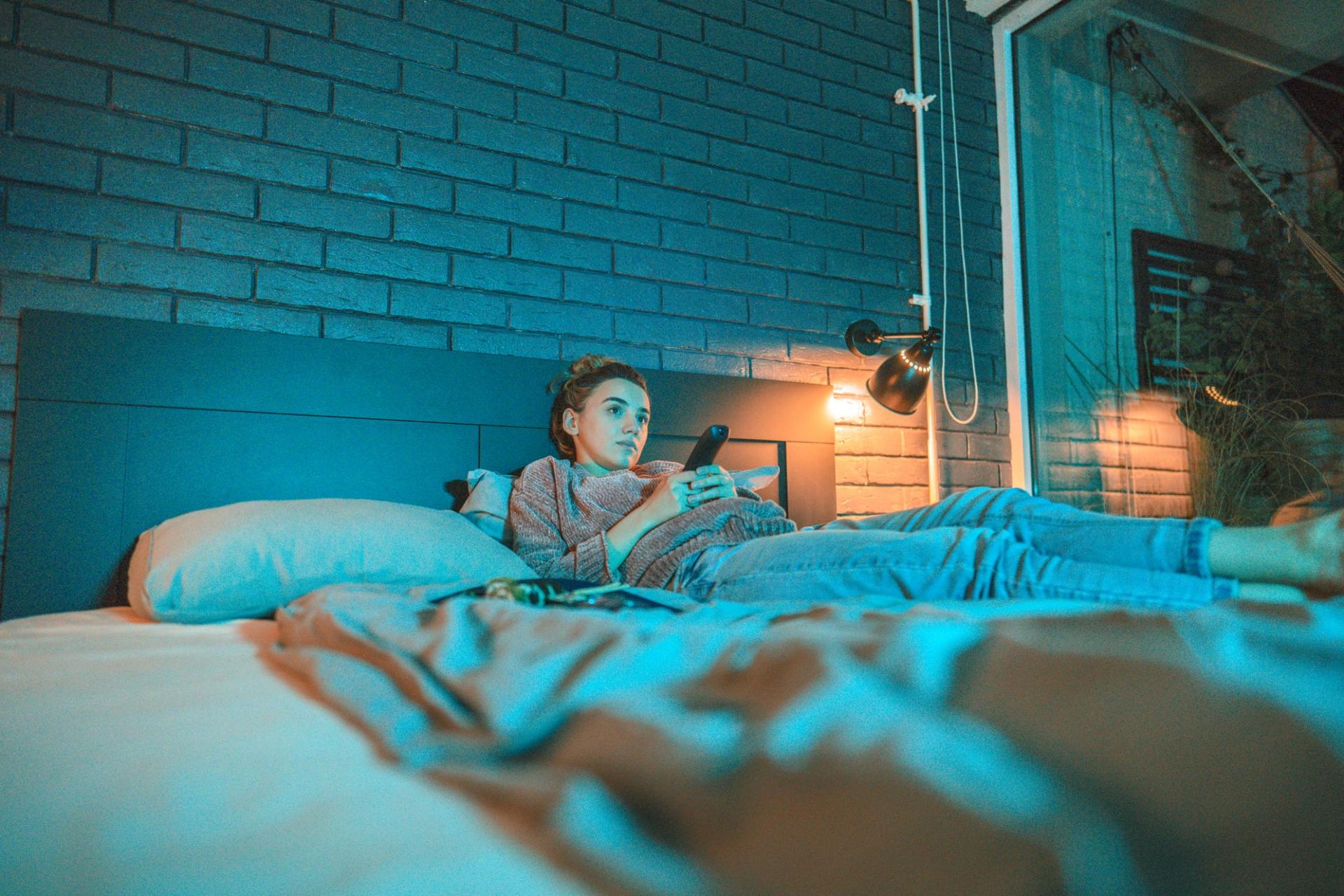
You know the routine. The day is finally over, you climb into bed, and the low hum of the television plays in the background as you drift off. It feels comforting, almost necessary. And you're far from alone: this habit is so common that finding someone who's never done it would be the real challenge.
But here's the uncomfortable question: is that background glow actually helping you sleep, or is it quietly working against you?
What the TV does to your deep sleep
For a lot of people, falling asleep in front of the TV isn't just a habit, it's a nightly ritual. Yet this seemingly harmless routine can take a real toll on how well you rest.
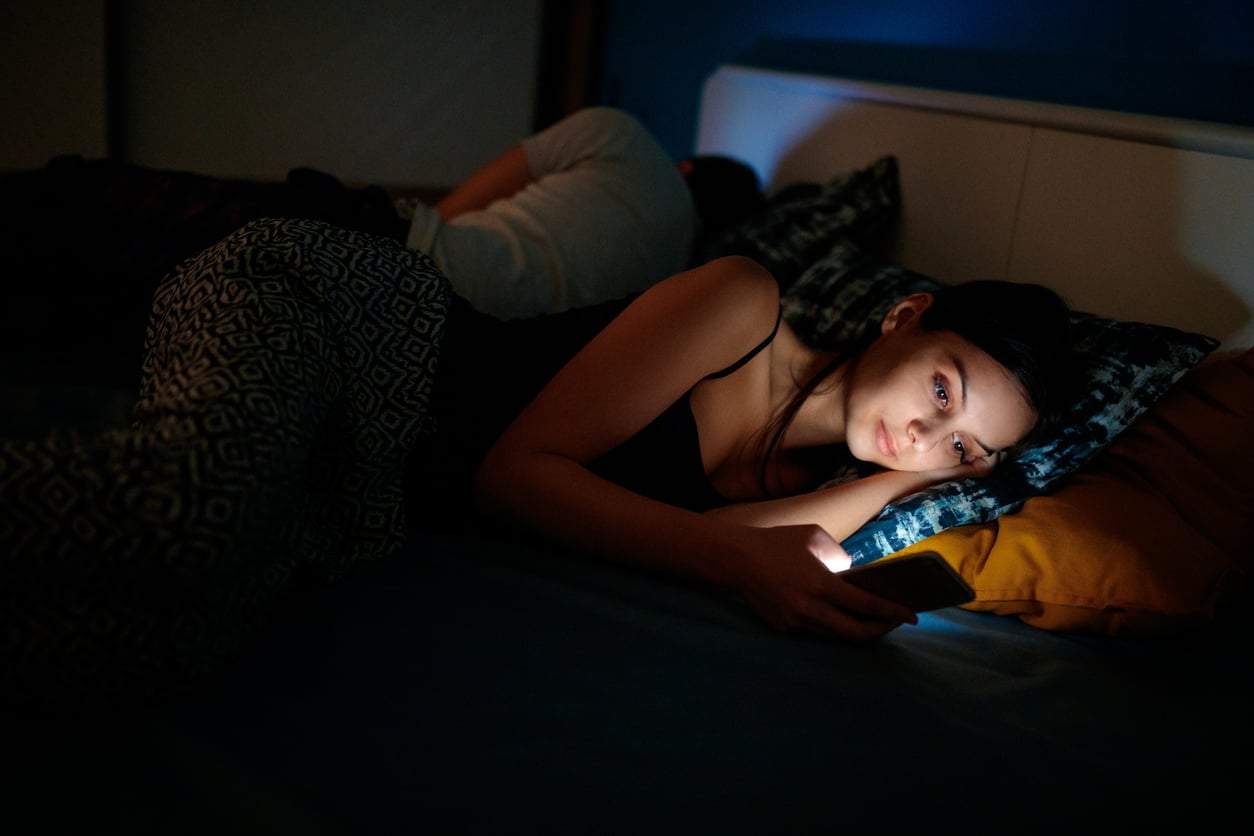
Research shows that screens like your television emit blue light, which suppresses the production of melatonin, the hormone that regulates your sleep cycle. When that light interferes with melatonin, your body struggles to reach the deep, restorative stages of sleep it truly needs.
That matters more than you might think. Deep sleep, also known as slow-wave sleep, is when your brain and body repair themselves. It's the stage responsible for locking in memories, strengthening your immune system, and steadying your emotions.
When your deep sleep is disrupted, the effects spill into the whole next day: more fatigue, weaker focus, and unpredictable mood swings.
How nighttime light rewires your sleep
The impact of artificial light, especially blue light, on sleep has been known for years. Yet surprisingly few of us take it seriously.
When you fall asleep with the screen glowing, that light breaks the natural rhythm of darkness your body expects, triggering hormonal shifts. Over time, this doesn't just block melatonin, it can gradually reshape your circadian rhythm, making it harder and harder to fall asleep naturally.
And then there's the sound. Many people swear the background noise of a TV show helps them nod off, but in reality that constant stimulation keeps pulling your attention back. The steady stream of voices and noise stops your brain from fully switching off, which is exactly what it needs to do to slip into truly restful sleep.
Gentler ways to wind down at night
If falling asleep to the TV feels like a non-negotiable part of your routine, the good news is there are calmer alternatives that won't sabotage your sleep. Plenty of methods can help you drift off without messing with your natural rhythm.
Meditation and breathing exercises, for example, are wonderfully effective at quieting a busy mind and preparing your body for rest. They lower stress, slow your heart rate, and, at their best, pave the way for deeper sleep.
Another favorite is reading before bed. Just make sure you reach for a traditional book rather than a bright, glowing screen. Reading doesn't only switch off your racing thoughts, it also gently tires you out, so you're genuinely ready for a peaceful night.
Why quality sleep is non-negotiable
Getting enough good sleep is essential for both your physical and mental health. The repair work that happens while you sleep is what lets you wake up refreshed, clear-headed, and ready to take on the day.
It's not just your body that depends on solid sleep. Your mental sharpness relies on it too.
Chronic sleep loss can open the door to serious health problems: cardiovascular disease, high blood pressure, diabetes, and mental health struggles like depression and anxiety. All of which is a powerful reminder to take sleep seriously and do everything you can to make your bedroom support it.
How to build the perfect sleep environment
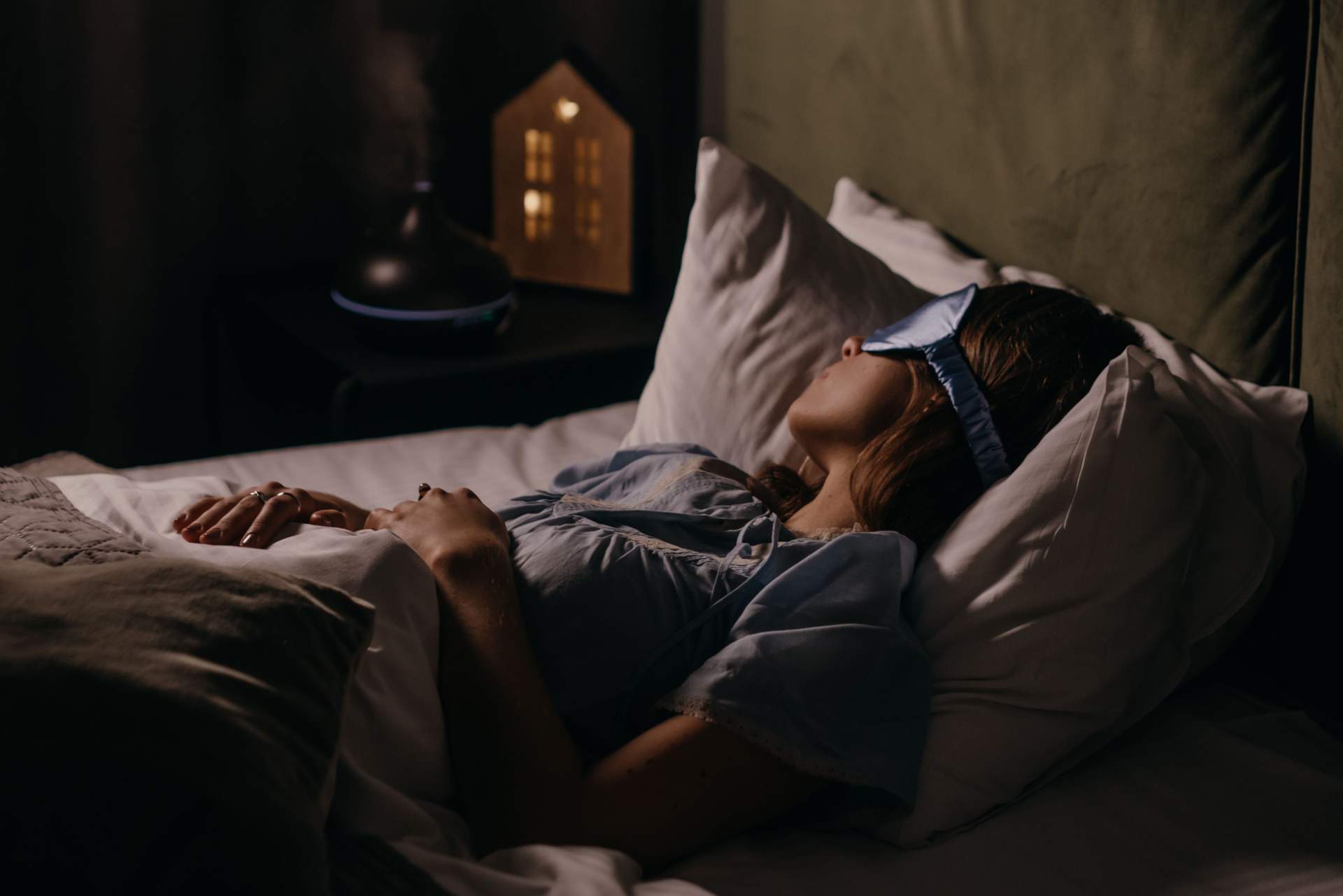
Instead of drifting off to the TV, aim to create a space designed for real rest. Start by making your bedroom as dark as possible and cutting down on outside noise and other distractions. The right temperature and comfortable bedding matter just as much.
Modern tech can help, too. Think noise-cancelling earplugs to block out unwanted sound, or light therapy lamps that help reset your body's internal clock.
The bottom line? The downsides of falling asleep in front of the TV are completely avoidable. With a few conscious tweaks to your evening habits and an environment built for rest, you can finally get the deep, refreshing sleep your body has been craving.
Is it bad to fall asleep with the TV on?
Yes, it can be. The blue light from the screen suppresses melatonin, the hormone that regulates your sleep cycle, while the constant sound keeps your brain from fully switching off, both of which interfere with deep, restorative sleep.
Why do I still feel tired even after a full night's sleep?
If your deep sleep is being disrupted, for example by screen light or background noise, your body doesn't fully regenerate overnight. That can leave you feeling fatigued, unfocused, and moody the next day, even if you technically slept for hours.
What can I do instead of watching TV to fall asleep?
Try meditation or breathing exercises to calm your mind, or read a traditional (non-glowing) book. These habits reduce stress, tire you out gently, and help you slip into deeper sleep without disrupting your natural rhythm.
How can I make my bedroom better for sleep?
Aim for complete darkness, minimal noise, a comfortable temperature, and cozy bedding. Tools like noise-cancelling earplugs and light therapy lamps can also help block distractions and reset your internal clock.