A clean home isn't just about appearances. If you or someone in your household is sensitive to dust or allergens, the way you clean — and how often — can make a real difference to your health and comfort. The good news? A few smart habits can keep dust and allergens at bay for weeks, not just days.
Why dust builds up faster than you think
Household dust isn't simply dirt from outside. It's a mix of shed skin cells, pet dander, dust mites, and outdoor pollutants that drift in through windows and cling to clothing. These microscopic particles spread easily through the air and settle on every surface — and they're a common trigger for respiratory issues and allergies.
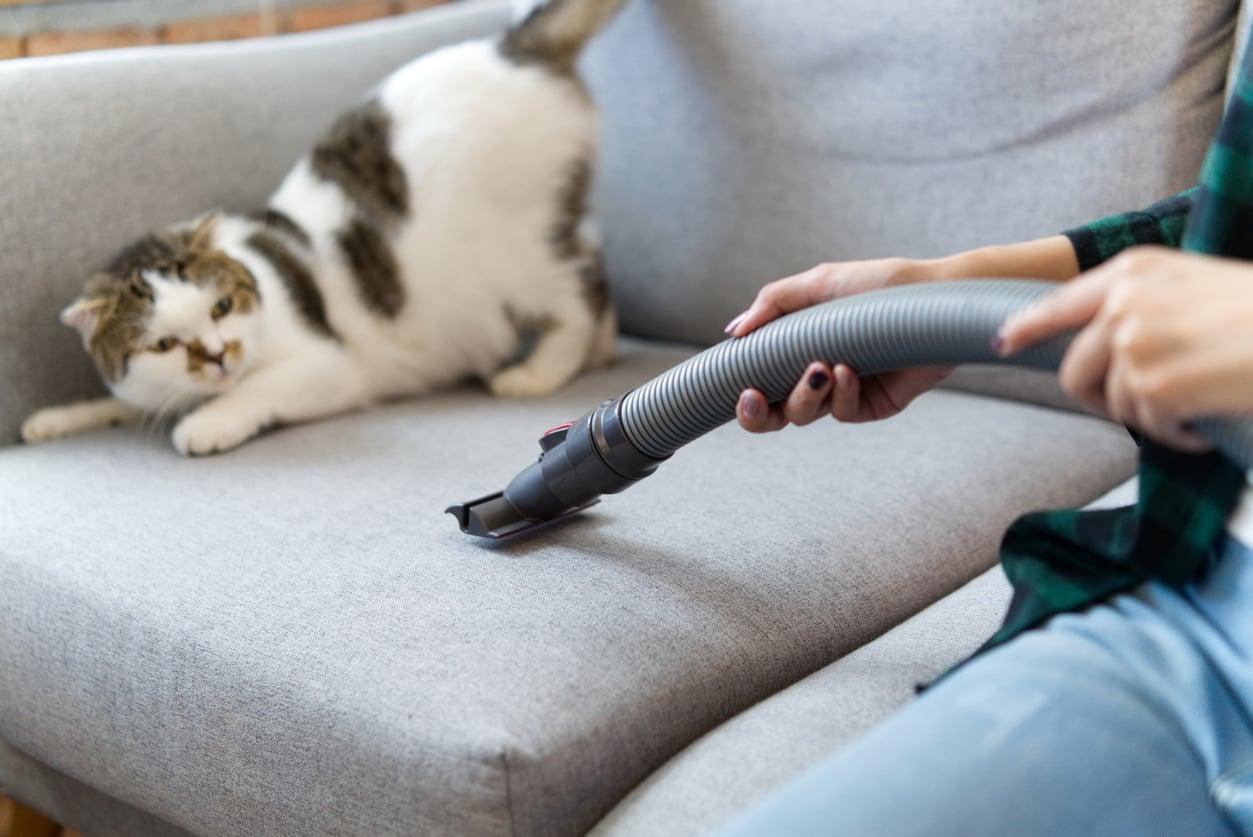
The most effective first step is regular vacuuming — at least once a week. Don't stop at the floor: carpets and upholstered furniture harbour just as much dust as hard surfaces. A HEPA-filter vacuum is especially worth the investment, as it captures even the finest particles that standard vacuums simply recirculate into the air.
Ventilation matters more than most people realise
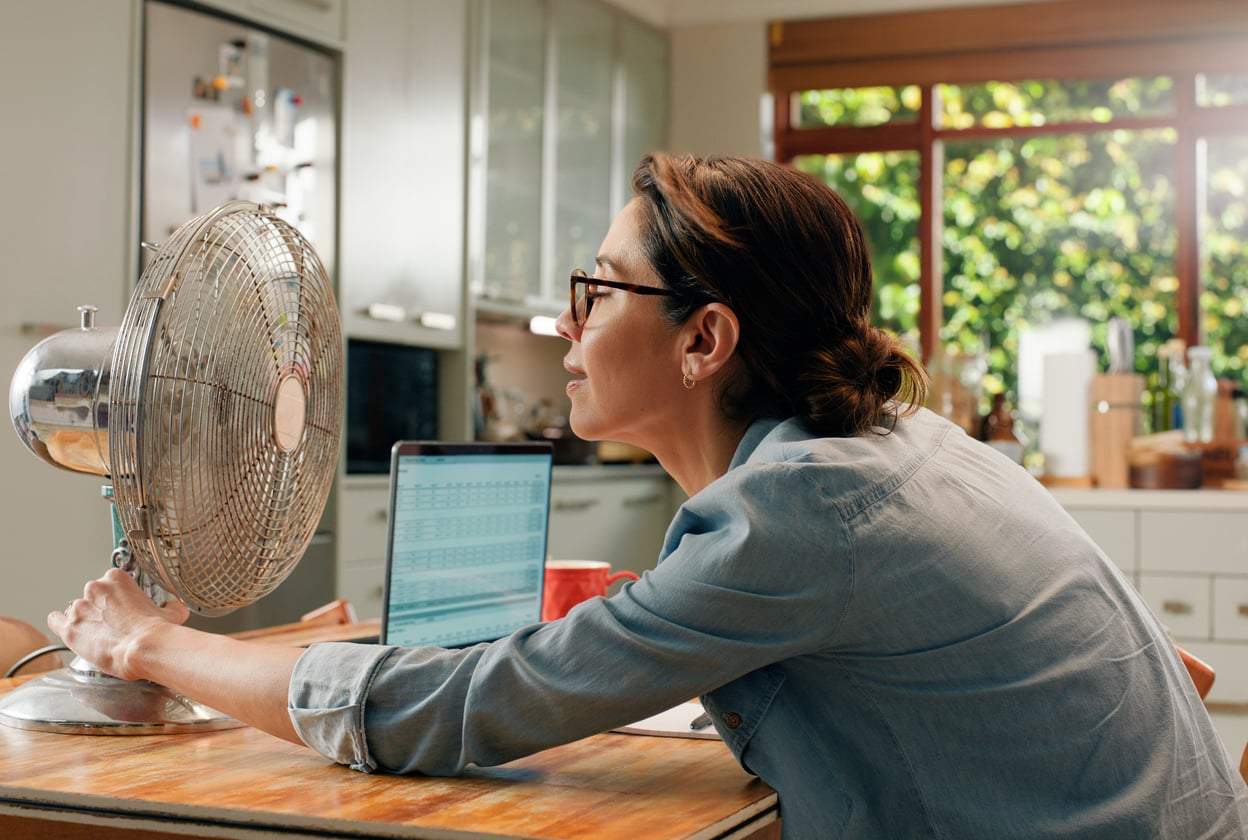
No amount of cleaning will keep your home fresh if the air itself is stale. Regular ventilation helps reduce the concentration of indoor allergens and prevents them from building up over time.
Aim to air out your home several times a day, in short bursts. The best windows of opportunity are early morning or right after rainfall, when outdoor air tends to be cleaner. During pollen season, however, be more selective — opening windows on high-pollen days can do more harm than good for allergy sufferers.
Wash your textiles more often than you think you need to
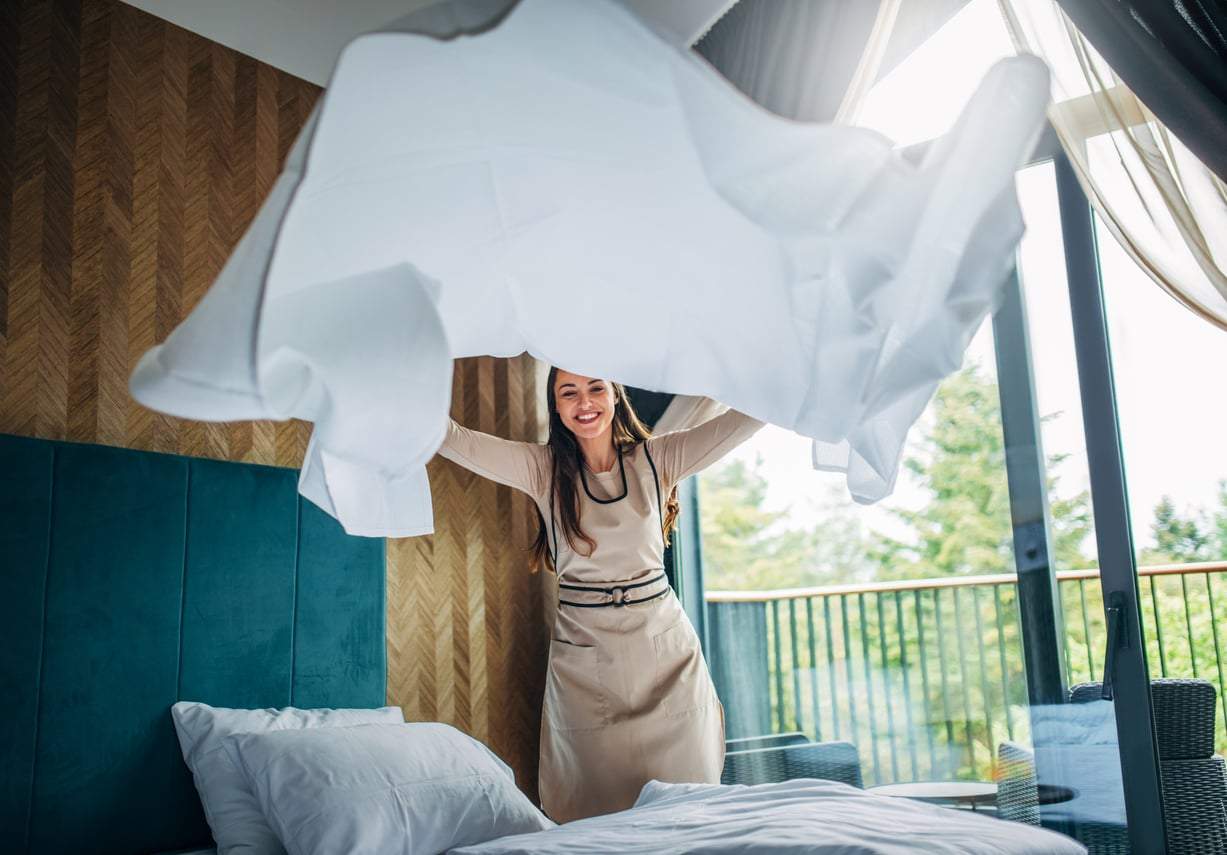
Curtains, cushions, throws, and bedding are some of the biggest dust traps in any home. Soft furnishings hold onto allergens long after the rest of the room looks clean, which is why washing them regularly is one of the most impactful things you can do.
Whenever the care label allows, wash at a higher temperature — this is the most reliable way to kill dust mites and remove allergens completely, rather than just moving them around.
Don't overlook the spots you can't easily see
The areas behind and beneath furniture are among the worst dust traps in any home — and they're the ones most often skipped during a regular clean. Yet these hidden zones have a significant impact on overall air quality.
Every few months, move larger pieces of furniture and give these areas a thorough clean. Long-handled dusting tools make it much easier to reach under sofas, behind radiators, and on top of wardrobes without turning it into a major project.
Natural ways to reduce allergens at home
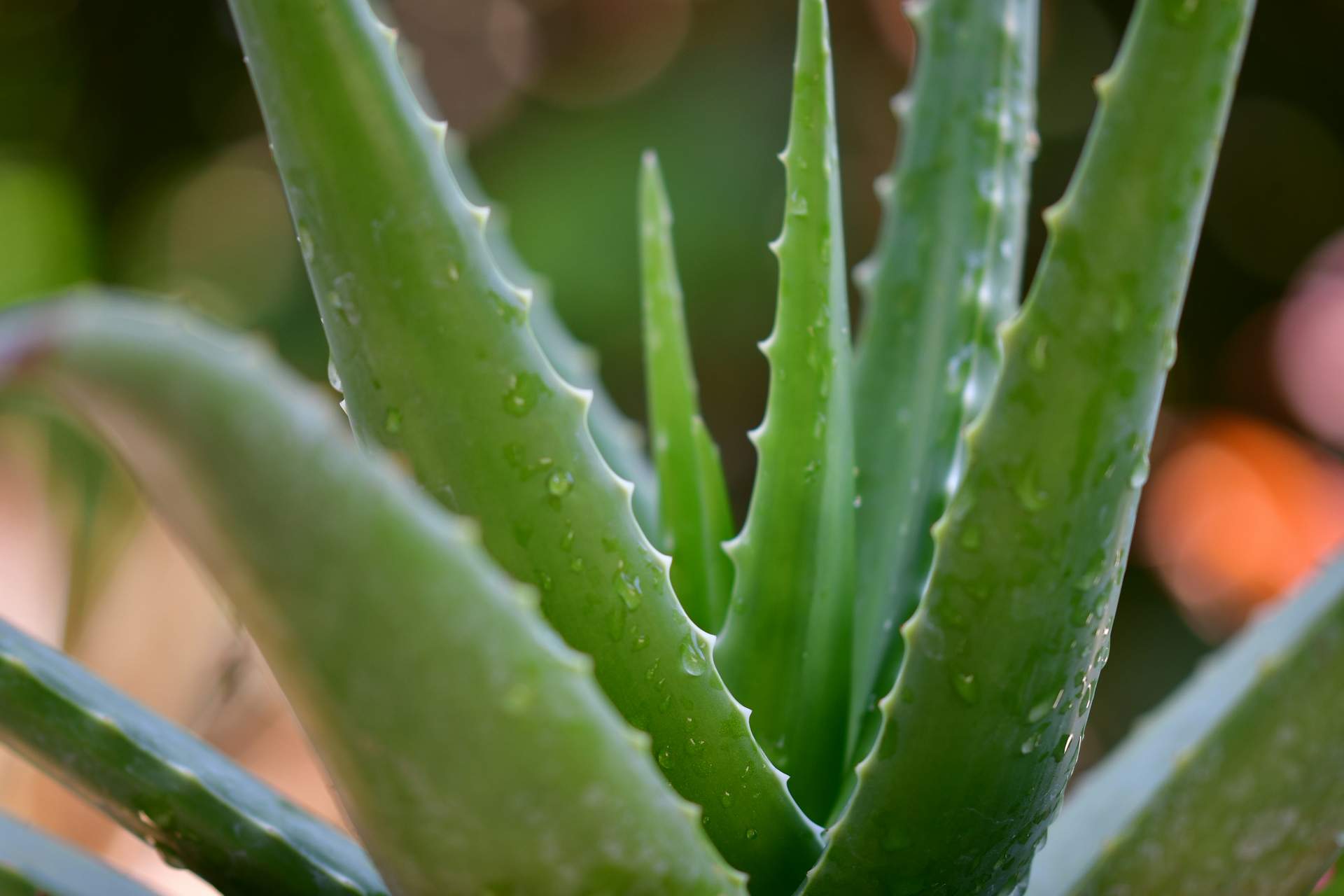
Certain houseplants can genuinely contribute to cleaner indoor air. Snake plants, peace lilies, and Boston ferns are among the varieties known to help filter and freshen the air inside your home — a low-effort, aesthetically pleasing addition to your allergen-reduction routine.
For carpets and rugs, a simple sprinkle of baking soda left for 15–20 minutes before vacuuming can help neutralise odours and loosen embedded dirt, making your next vacuum session significantly more effective.
The right tools make a lasting difference
Modern home appliances — particularly air purifiers, humidifiers, and HEPA-system vacuums — can dramatically improve the air quality in your living space. An air purifier running quietly in the background is one of the most consistent ways to keep allergen levels low between deep cleans.
That said, these devices only work well if they're properly maintained. Clean and replace filters on schedule — a clogged filter doesn't just lose effectiveness, it can start pushing pollutants back into the room.
Consistent cleaning habits, smart ventilation, and the right tools working together are what truly create a cleaner, healthier, and allergen-reduced home — one that stays that way long after cleaning day is over.