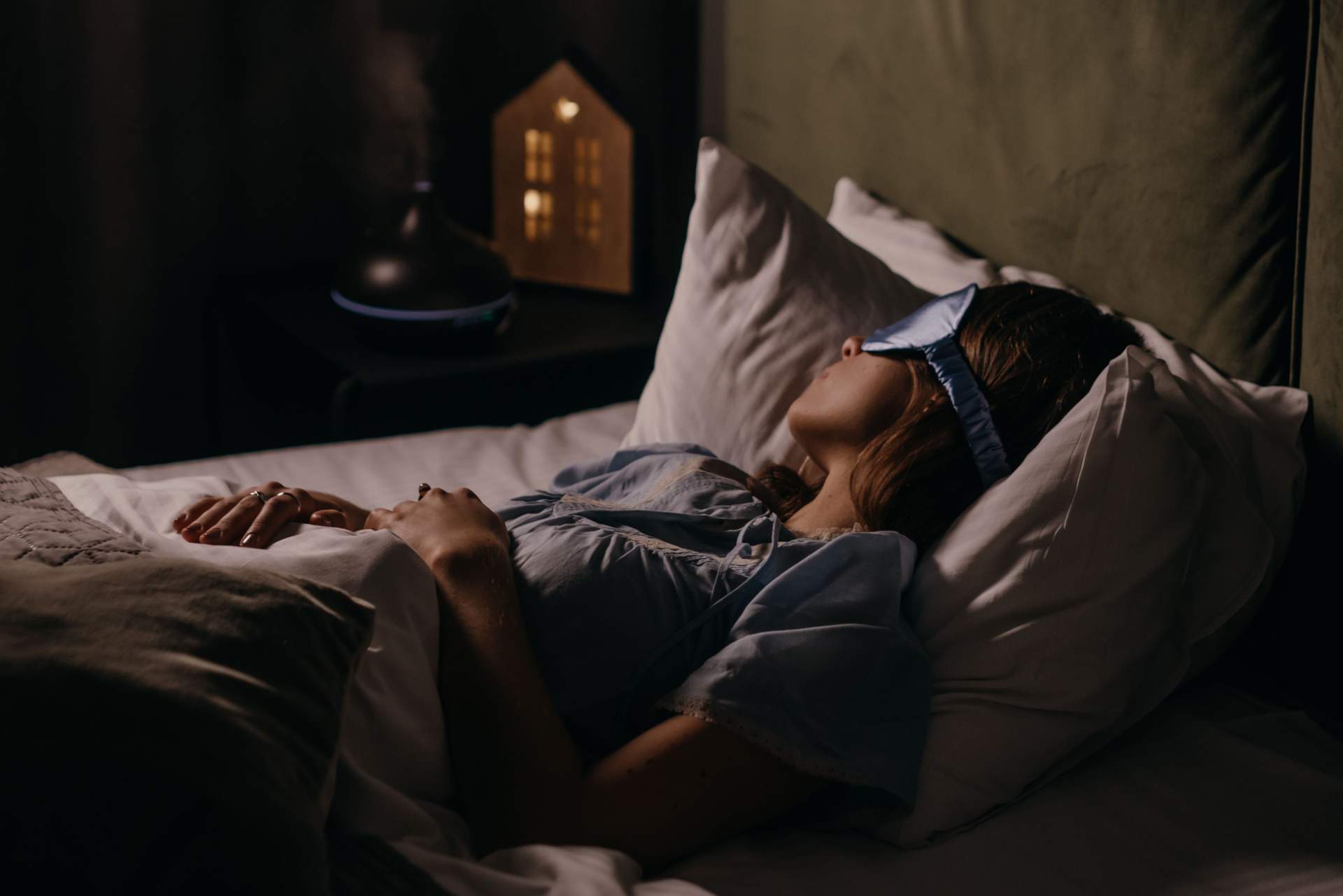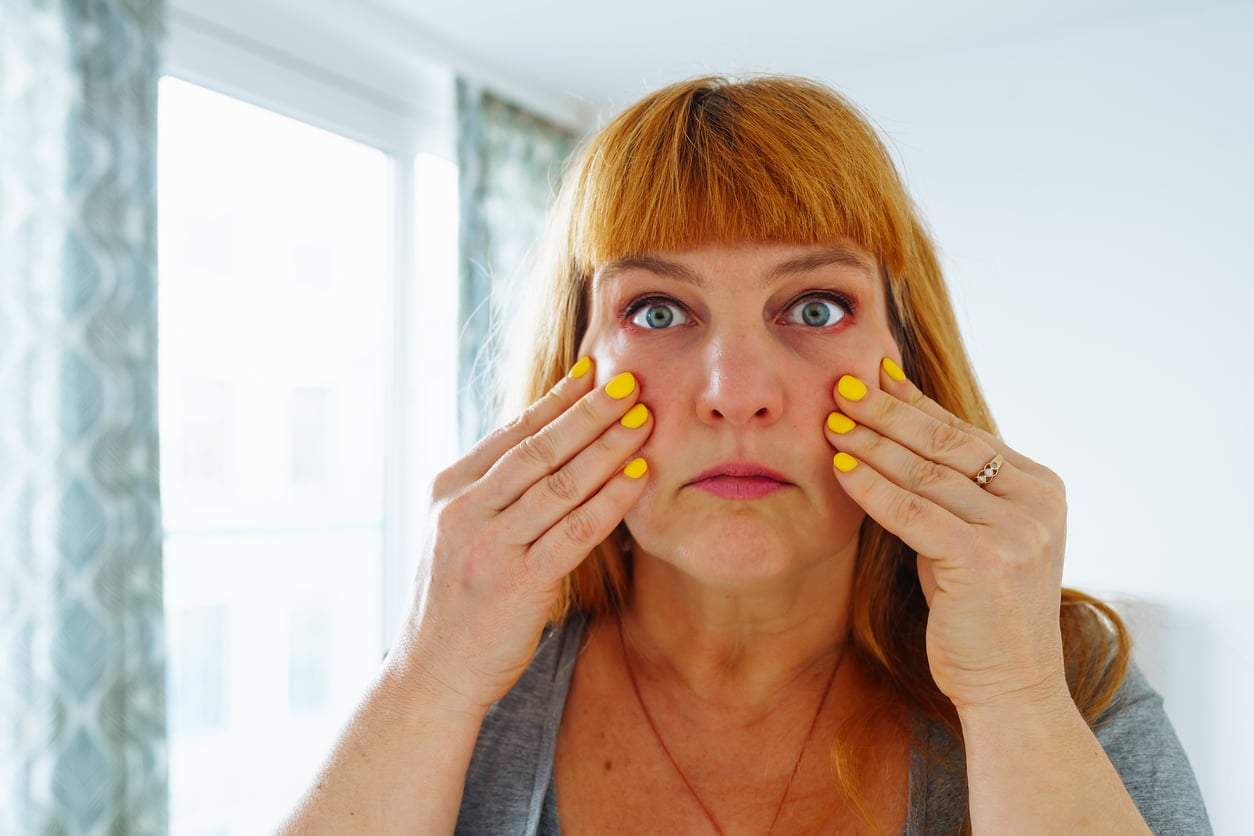
You don't need an expensive skincare routine or a cabinet full of supplements to look younger and think more clearly. The most powerful tool for both is already available to you every single night — and most people are wasting it.
Why sleep is the foundation of a healthy life
Sleep is not just a way to recover from a long day. It's the time when your body does its most important work — repairing cells, strengthening the immune system, and clearing out the metabolic waste that builds up while you're awake.
During deep sleep, your body triggers a cascade of biological processes that support cell regeneration and immune function. Without enough of it, that waste doesn't get cleared — and over time, that has real consequences for how you feel, how you look, and how well your brain works.
Deep sleep and the science of staying young
During a truly restful night, your body produces growth hormone — one of the key drivers of cellular renewal. This process supports skin cell regeneration, reduces the formation of fine lines, and helps maintain skin elasticity.
In this sense, quality sleep is one of the most effective natural beauty treatments that exists — and it costs nothing.
On the flip side, poor or irregular sleep can visibly accelerate the signs of aging. Dull skin, puffiness, and dark circles aren't just cosmetic annoyances — they're your body's way of telling you it didn't get what it needed. Making deep, consistent sleep a daily priority is one of the simplest things you can do to protect your appearance long-term.
What happens to your brain when you don't sleep enough
Sleep doesn't just affect how you look — it fundamentally shapes how well you think. While you sleep, your brain consolidates the information you absorbed during the day, strengthening memory and clearing mental clutter.
Research consistently shows that people who get regular, sufficient deep sleep are better at processing new information, sustaining attention, and solving problems creatively.
The reverse is equally true. Chronic sleep deprivation is linked to long-term cognitive decline — affecting focus, decision-making, and even emotional regulation in ways that quietly erode your quality of life and work performance.
How to actually improve your sleep quality
If you want to feel sharper and look more rested, the place to start is your sleep environment. A well-designed bedroom — with the right mattress, a cool temperature, and minimal light — can make a significant difference in how deeply you sleep.
One of the most impactful changes you can make is simple: put your phone down at least an hour before bed. The blue light emitted by screens interferes with melatonin production, disrupting your body's natural sleep cycle. Replacing screen time with a calming ritual — a warm bath, light stretching, or a few minutes of meditation — signals to your nervous system that it's time to wind down.
Good sleep isn't a passive thing that just happens to you. It's something you can actively build and protect. And when you do, the rewards show up in the mirror, in your mood, and in the quality of your thinking — every single day.