Poor sleep doesn't just make you tired — it quietly chips away at your focus, mood, immunity, and productivity. And yet, most people never address the real culprit: what they do in the hours before bed. That's exactly where the 10-3-2-1-0 method comes in.
What is the 10-3-2-1-0 method?
It's a deceptively simple evening routine built around one idea: the quality of your sleep is determined long before you pull back the covers. Each number represents a cutoff point — a specific habit to drop at a specific time before bed. Follow all five steps consistently, and falling asleep stops being a struggle.
Here's how it works:
10 hours before bed — cut the caffeine. Coffee, energy drinks, even certain teas can stay active in your system for up to ten hours. If you're heading to bed at 11pm, your last coffee should be around 1pm. If you need something warm in the afternoon, try a Pu-erh tea — it has far less caffeine and a naturally calming effect.
3 hours before bed — stop eating and drinking alcohol. Your digestive system doesn't clock off just because you're winding down. A heavy meal close to bedtime keeps your body working hard when it should be slowing down. And while alcohol might feel like it helps you relax, it actually fragments your sleep cycles and reduces sleep quality overall. If you genuinely need a small snack, a handful of almonds is a smart choice.
2 hours before bed — leave work behind. Unread emails, tomorrow's presentation, that unfinished task — your brain will keep chewing on them if you let it. Two hours before sleep, close the laptop and actively step away from anything work-related. Replace it with something that genuinely helps you decompress: a book, a gentle stretch, or a short meditation session.
1 hour before bed — put down your phone. This one is non-negotiable. The blue light emitted by smartphones, tablets, and televisions suppresses melatonin production — the hormone your brain needs to initiate sleep. One hour before bed, screens go off. Use that time to read a physical book, write in a journal, or simply sit quietly. It sounds old-fashioned, but it works.
0 — go to sleep. If you've followed the previous four steps, your body and mind will already be primed for rest. Getting into bed should feel like a natural endpoint, not a battle. That's the whole point of the method.
Why sleep matters more than you think
Sleep is one of those things we take for granted until it starts to fail us. But the effects of poor sleep go far beyond feeling groggy in the morning. Chronic sleep deprivation is linked to weakened immunity, impaired memory, increased stress reactivity, and even long-term cardiovascular risk.
Research consistently shows that people with healthy sleep habits experience less stress, report higher overall wellbeing, and perform better — both at work and in their personal relationships.
Sleep quality also has a direct impact on how well your immune system functions. People who sleep well are genuinely more resilient to illness — not just better rested. If you've ever wondered whether your sleep setup itself could be holding you back, that's worth exploring too.
Extra habits that make the method even more effective
The 10-3-2-1-0 method is powerful on its own, but pairing it with a few additional habits can take your sleep from good to genuinely restorative.
- Keep a consistent schedule. Go to bed and wake up at the same time every day — yes, including weekends. Your body's internal clock thrives on regularity, and even a couple of late nights can throw it off.
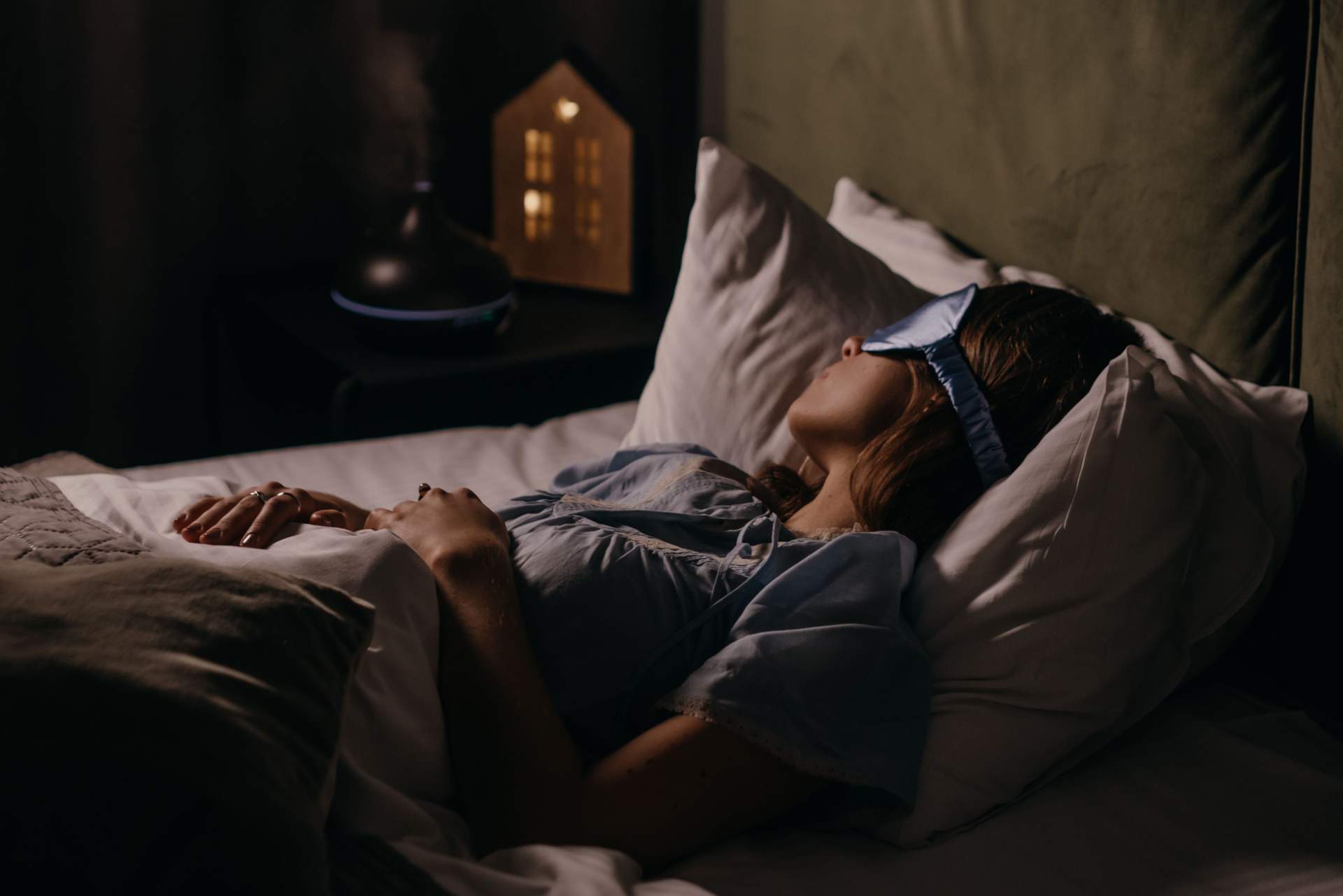
- Optimize your sleep environment. Your bedroom should be dark, quiet, and cool. A room that's slightly on the cooler side (around 18°C / 65°F) signals to your body that it's time to rest.
- Use relaxation techniques. Breathwork, body-scan meditation, or even a few drops of lavender essential oil can help your nervous system shift into rest mode more quickly.
The beauty of the 10-3-2-1-0 method is that it's not a rigid prescription — it's a flexible framework you can adapt to your own schedule and lifestyle. Start with the steps that feel most achievable, build the habit gradually, and let the results speak for themselves. Better sleep isn't a luxury. It's the foundation everything else is built on.