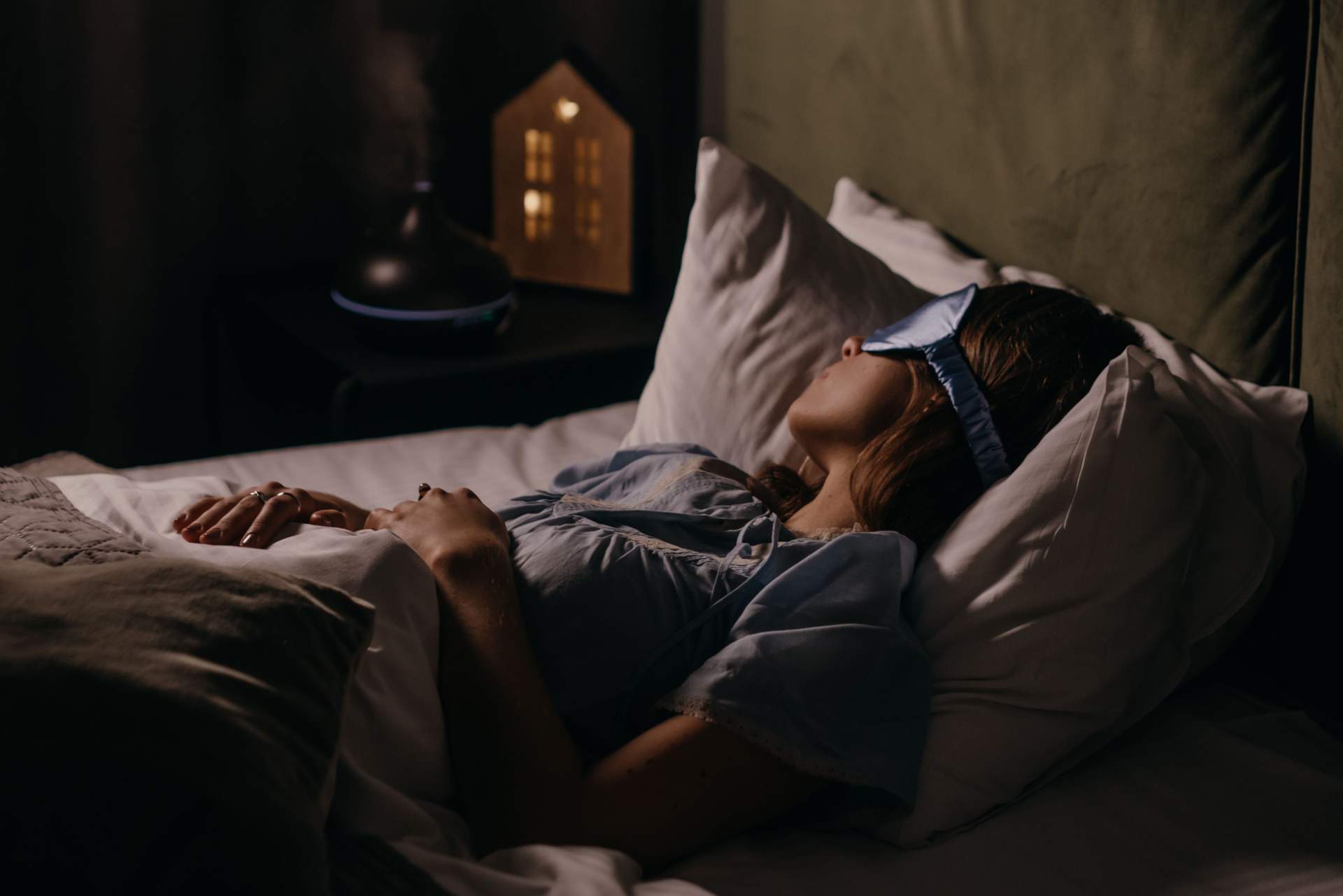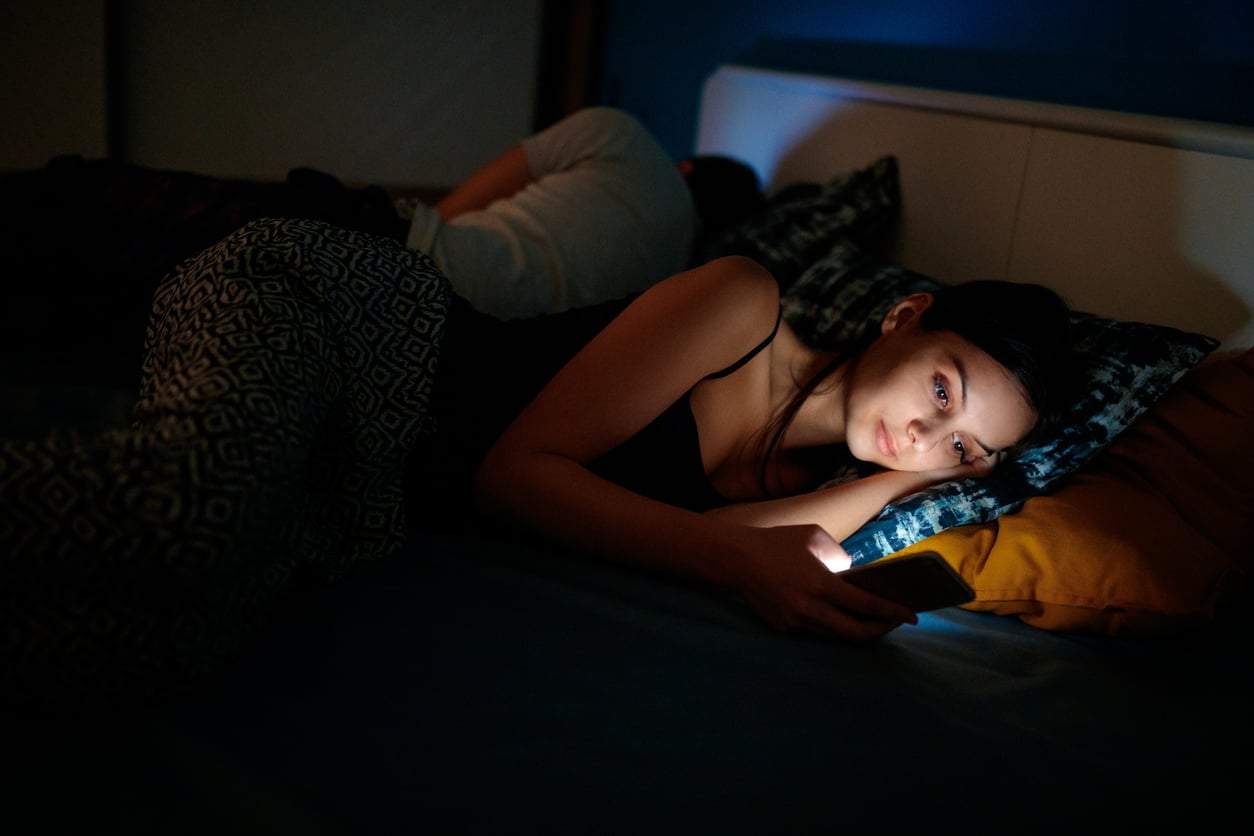
Your energy levels, focus, and mood don't fluctuate randomly throughout the day — they follow a precise biological rhythm unique to you. Understanding your sleep chronotype could be the key to unlocking your best performance, better rest, and a healthier daily routine.
Your chronotype describes your natural sleep-wake cycle, governed by your internal body clock. And it affects far more than just when you feel tired — it shapes your concentration, creativity, emotional resilience, and overall wellbeing.
Scientists identify four main chronotypes: the Bear, the Lion, the Wolf, and the Sentinel. Each one tells a different story about when you're wired to thrive — and when your body simply needs to rest.
The Sentinel chronotype
Sentinels are the earliest of early risers. They often wake naturally before dawn, feeling alert and ready to go while most people are still deep in sleep. Their energy peaks immediately after waking, making the early morning hours their most productive window.
Sentinels tend to have highly structured routines and can struggle to stay engaged at late-night social events. By 9 p.m., they're already winding down — and often asleep by 10. If this sounds like you, embrace those quiet morning hours. They're your superpower.
The Lion chronotype
Lions are natural early birds who are often wide awake by 5 or 6 a.m. without an alarm. Their peak productivity window falls squarely in the morning — roughly between 9 a.m. and 2 p.m. — when they tackle their most demanding tasks with sharp focus and high motivation.
By mid-afternoon, their energy begins to dip noticeably, and by evening, they're running on empty. Most Lions are in bed by 10 p.m. at the latest. Around 15% of the population falls into this category. Lions are natural planners — methodical, goal-driven, and highly organized.
The Bear chronotype
The Bear is the most common chronotype, accounting for roughly 55% of the population. Bears align naturally with the solar cycle — rising with the sun and winding down as darkness falls. The classic 9-to-5 workday was essentially designed with Bears in mind, since their energy and focus peak during standard daytime hours.
Bears tend to be sociable, open, and great team players. Most social structures — work schedules, school hours, meal times — are built around their rhythm, simply because they make up the majority. If you're a Bear, the world already runs on your schedule.
Curious about how sleep quality affects your daily energy? This simple timing habit could dramatically improve how well you sleep.
The Wolf chronotype
Wolves are the true night owls. Mornings feel like a battle, and their brains simply don't hit their stride until later in the day. If Wolves could design their own schedule, they'd start work around noon and do their best thinking long after sunset.
Their creativity and mental productivity peak in the evening and at night — often precisely when everyone else is fading. It's no coincidence that many artists, writers, and musicians identify as Wolves. The quiet of the night is where their ideas come alive.
Why your chronotype matters more than you think
A growing body of research confirms that living out of sync with your natural body clock — whether due to work schedules, social obligations, or poor sleep habits — can lead to chronic fatigue, difficulty concentrating, and long-term health consequences.
When you align your daily routine with your chronotype, everything shifts. Your body and mind operate at their natural best, your productivity rises, and your overall sense of wellbeing improves — not because you're doing more, but because you're doing things at the right time for you.
The simplest way to identify your chronotype is to observe your natural rhythms over several days without an alarm — when do you wake up spontaneously? When does your focus peak? When do you feel most drained? The answers reveal more about your biology than any productivity hack ever could.
Once you know your type, you can begin making small but meaningful adjustments: shifting your most important work to your peak hours, protecting your sleep window, and stop fighting a body clock you were born with.