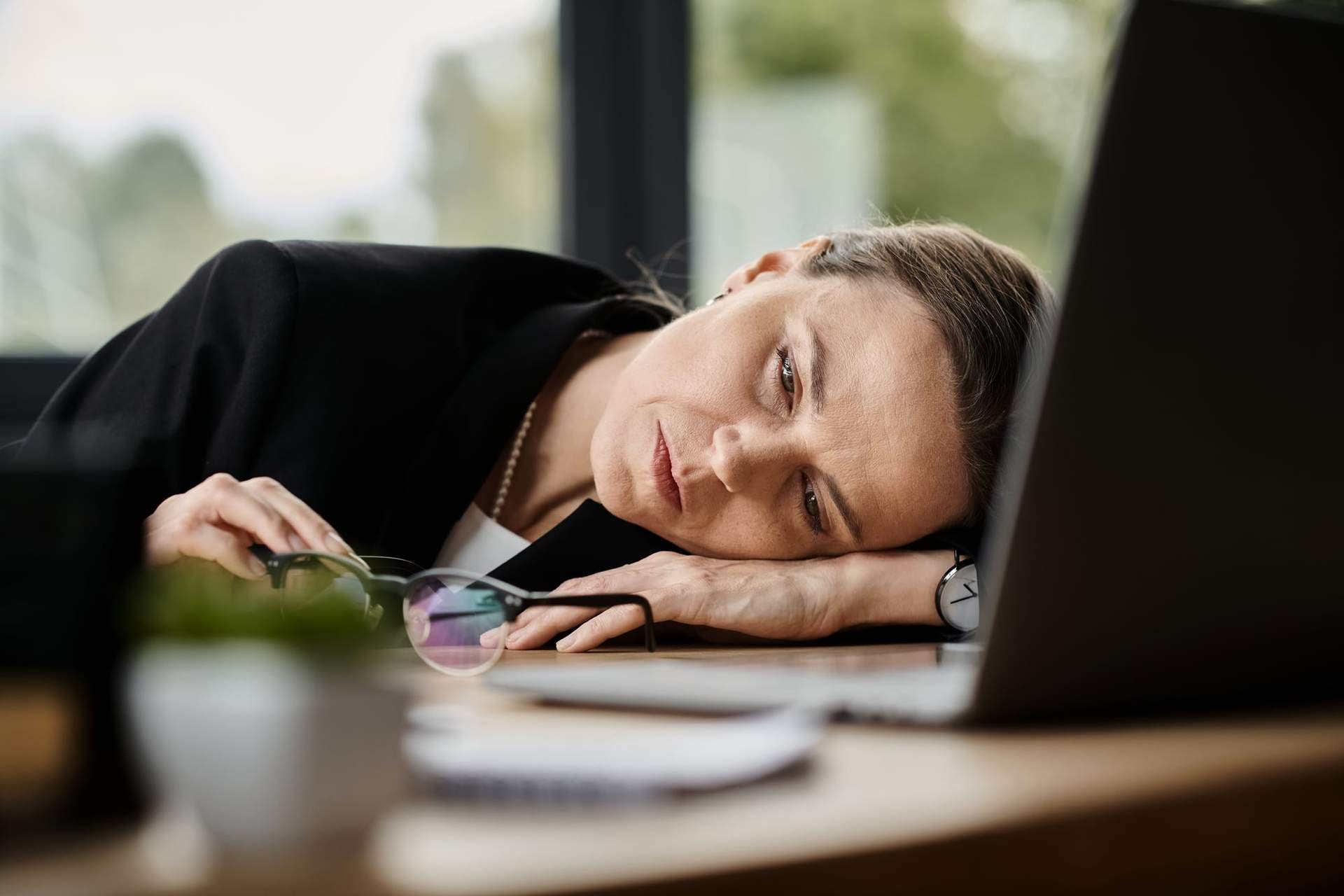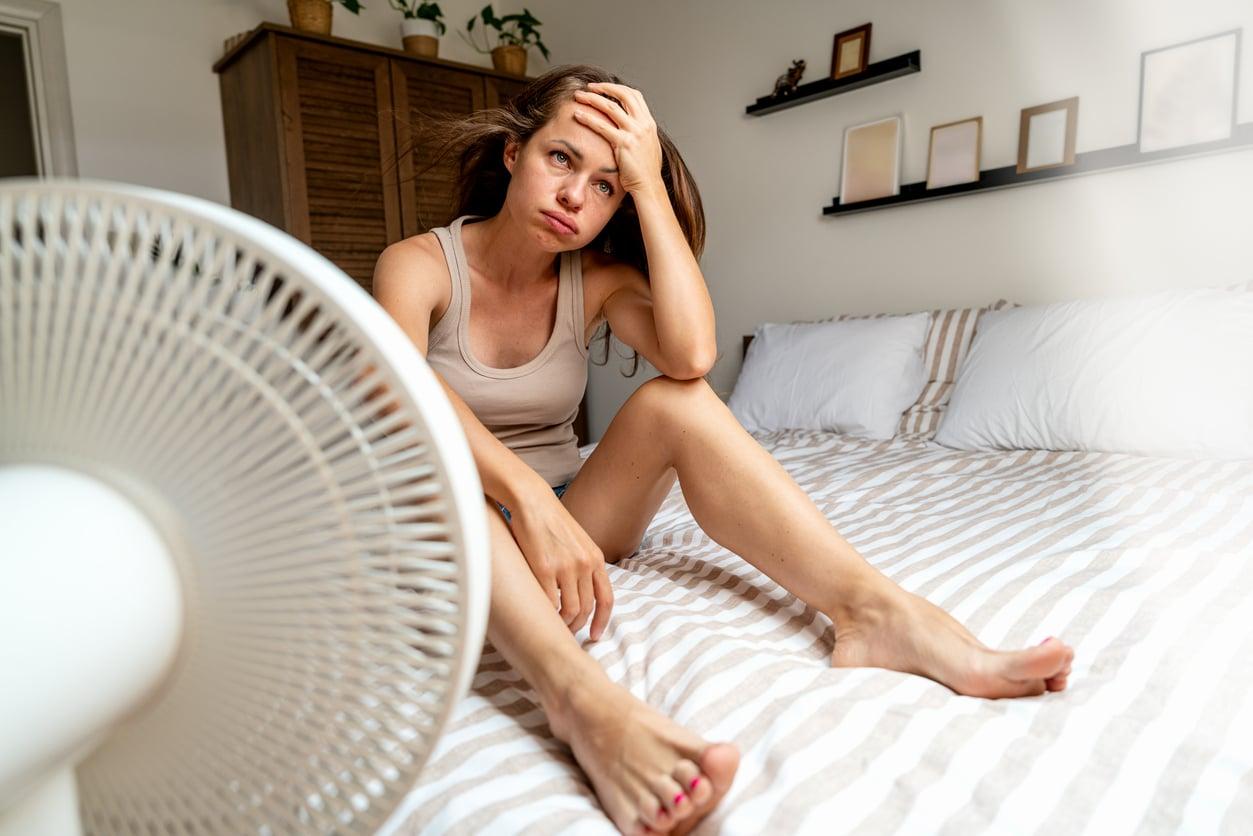
You know the feeling. The first real heat wave of the year finally arrives, and instead of diving into the pool with boundless energy, all you want to do is hibernate for two weeks. Getting out of bed feels impossible. By 2 p.m. you're on your third coffee, your focus is nonexistent, and your legs feel like they're strapped to lead weights.
Relax — there's nothing wrong with you, and you haven't suddenly gone lazy. Behind the scenes, a completely natural but surprisingly demanding process is unfolding: your body is downloading its "summer software update." So why does your battery drain right when the sun is at its brightest?
Your internal thermostat is working overtime
The main culprit is thermoregulation — your body's temperature control system. The human body is brilliant but strict: it has to keep your core temperature between roughly 36.5 and 37.5 °C (97.7 to 99.5 °F) so your organs stay safe. When the outside temperature suddenly jumps above 30 °C (86 °F), your internal thermostat switches into emergency mode.
Think of this internal cooling system like your laptop fan spinning at 100% in the background, nonstop. No wonder there's barely any energy left over for everything else — like focusing or moving your body.
What does the science say?
There's another serious physical factor behind that heat-wave sluggishness, one that researchers at Harvard Medical School have explored in detail.
When heat causes your blood vessels to widen (a process called vasodilation), there's suddenly more space in your circulatory system, which makes your blood pressure drop. Your heart has to work faster and harder to deliver blood and oxygen to your brain and muscles. This micro-level process is directly responsible for that foggy-headed, dizzy, leaden fatigue.
On top of that, there's dehydration and the loss of electrolytes. Even minimal, barely noticeable dehydration can dramatically impair your cognitive function.
A meta-analysis from the Georgia Institute of Technology found that losing just 1 to 2% of your body's fluid already measurably slows reaction time, weakens short-term memory, and intensifies feelings of fatigue.
The sleep paradox
To make matters worse, you can't recharge exactly when you need it most. For deep, restorative sleep (the REM phase), your body actually needs to cool down.
A study published in the Journal of Physiological Anthropology showed that high nighttime temperature and humidity directly disrupt your sleep cycle: you wake up more often and spend less time in deep sleep. So even after eight hours in bed, you can still wake up feeling like a steamroller ran over you.
How long does the "update" take?
Here's the good news: your body is capable of acclimatization — adapting to its environment. It takes roughly 7 to 14 days for the human body to switch fully into summer mode.
Over those two weeks:
- Your blood plasma volume increases (you have more blood, which stabilizes your blood pressure).
- Your heartbeat becomes more efficient (it can cool you down even at a lower pulse).
- Your sweating gets smarter: you start sweating sooner, but lose less salt and fewer minerals in the process.
How to help your internal system along
- Don't deny yourself rest: Accept that during the first week or two, you won't be running at 100%. If you can, schedule your harder tasks for the cooler morning hours.
- Electrolytes, not just water: Plain tap water matters, but you also need to replace the minerals you sweat out. A pinch of salt in your water, a bit of magnesium, or a small electrolyte drink can work wonders against fatigue.
- Keep meals light: Digesting heavy, greasy food generates a lot of heat and pulls blood away from your circulation. Bring on the salads, soups, and juicy fruit!
- Give yourself some patience: The "summer software" will finish installing soon, and in two weeks the heat will feel far more manageable.
Why am I so tired during the first days of a heat wave?
Your body is working overtime to keep its core temperature stable, which drains energy through widened blood vessels, a drop in blood pressure, and increased sweating. That leaves little energy for focus or physical activity.
How long does it take to adjust to the heat?
The human body usually needs about 7 to 14 days to acclimatize. During that time your blood volume increases, your heart works more efficiently, and your sweating becomes smarter.
Why can't I sleep well when it's hot at night?
Deep, restorative sleep requires your body to cool down. High nighttime temperature and humidity disrupt your sleep cycle, so you wake more often and spend less time in deep sleep — even after eight hours in bed.
Does drinking water alone fix heat fatigue?
Not entirely. You also lose electrolytes when you sweat, so replacing minerals — with a pinch of salt, magnesium, or an electrolyte drink — helps far more than water alone.