There is a particular kind of September evening where nobody in the house commits to dinner. Someone is refreshing the standings on their phone every ten minutes, someone else is explaining tiebreakers to a person who did not ask, and the actual first pitch keeps sliding later. If you cook a proper meal into that, you will eat it alone in a cold kitchen. If you cook nothing, everyone ends up standing in front of the open fridge in the seventh inning.
The answer is a table rather than a menu. Something you assemble in stages, that survives being picked at for three hours, and that does not require you to stand up at the exact moment something finally happens. I have been building this table for years, and the trick is less about recipes than about timing.
Build it in three layers, not one
The first layer goes out before anyone sits down and stays out all night: salty, dry, sturdy things. Good crackers, a bowl of roasted almonds tossed while still warm with salt and a little smoked paprika, a wedge of sharp cheddar, olives, a jar of cornichons. Nothing here wilts, and nothing here needs you.
The second layer is the one you make in the afternoon and bring out cold. A big bowl of slaw dressed with vinegar rather than mayonnaise — thinly sliced white cabbage, grated carrot, sliced spring onion, cider vinegar, oil, sugar and plenty of pepper — genuinely improves over a couple of hours and cuts through everything else on the table. Add a bean dip: tinned white beans blitzed with garlic, lemon, olive oil and a spoonful of the tin liquid until it is loose enough to scoop. Both keep in the fridge and come out looking deliberate.
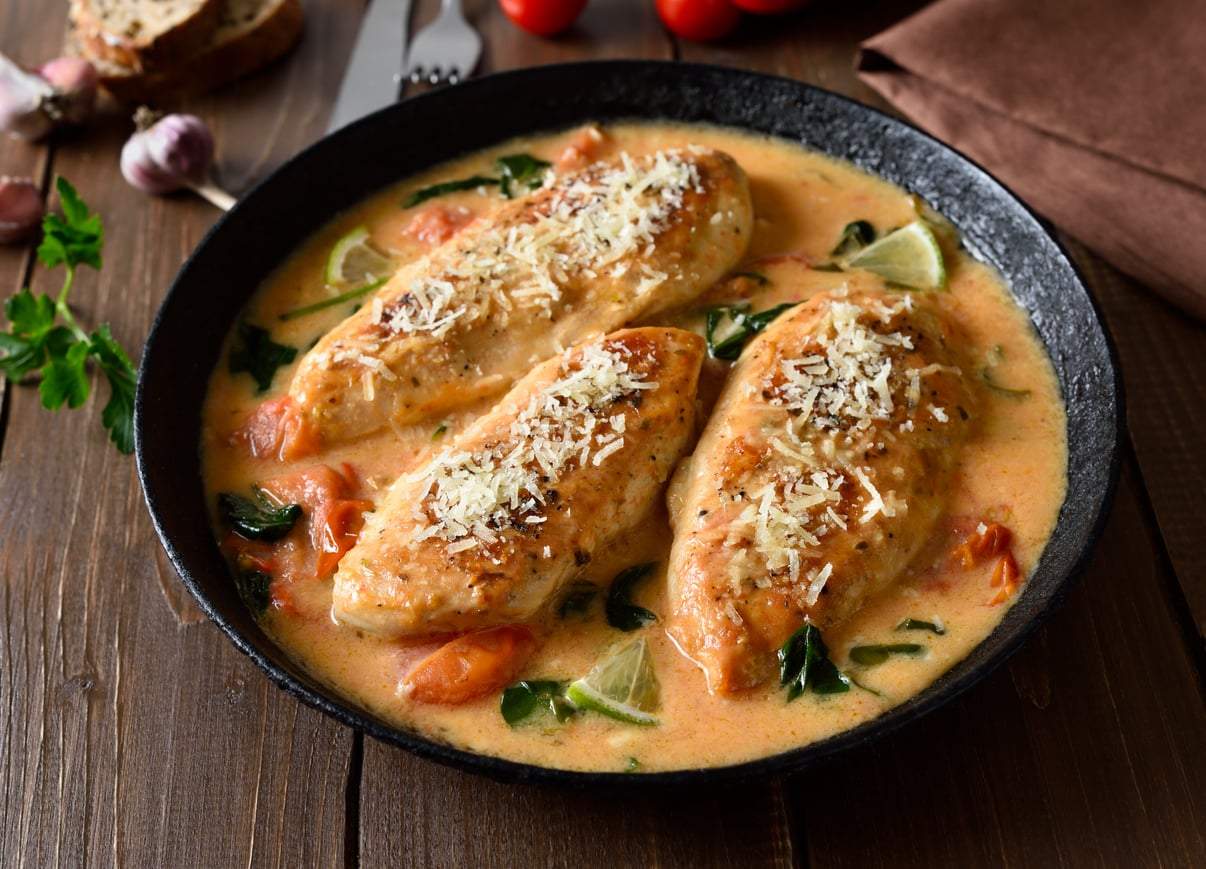
The third layer is the one hot thing, and one is enough. Baked chicken thighs with a sticky glaze of honey, mustard and soy, cooked skin-side up until the edges catch, then cut into pieces people can eat with their fingers. Or a tray of potato wedges, parboiled for six minutes, shaken hard in the colander to rough up the edges, then roasted in hot oil until they rattle. Put the hot thing in the oven during the pre-game talk and it lands about when the game does.
The things that fail on a long night
Anything fried at the last minute will keep you in the kitchen for the innings you most want to see. Anything built on soft bread goes damp. Dips that separate in a warm room are a quiet disappointment by hour two. And huge shared platters that require a knife and a chopping board mid-room turn into a logistics problem.
What works instead: small bowls rather than large ones, refilled from the fridge, so the table never looks ransacked. Tongs and small plates within reach, so people help themselves without asking. A stack of paper napkins visible from the sofa. If you want one showy thing, make it a warm loaf of something — soda bread, which needs no rising and comes out of the oven in under an hour — and let the smell do the hosting for you.
Drinks that do not need a bartender
Pick two and stop. A cold beer for people who want one, and a large jug of something non-alcoholic that looks like it was thought about: sparkling water with lots of ice, sliced lemon, a handful of bruised mint and a splash of apple juice. Put it on a tray away from the food so the traffic splits into two streams and nobody queues at your bean dip. Coffee at the late innings is a kindness, especially if the game goes long, which in this stretch of the calendar it very often does.
What can I put out if people arrive mid-game?
Keep one emergency tray in mind: a tin of good tuna or sardines, crackers, sliced radish, butter and lemon. It takes four minutes, needs no cooking, and reads as generous rather than apologetic. If you have bread going stale, tear it into pieces, toss with oil and salt, and roast it into croutons while you are at it — arrivals love something warm, and you will have used up the loaf.
How do I feed people who do not care about baseball?
Give them a reason to be in the room that is not the screen. A jigsaw, a pack of cards or a bowl of hazelnuts to crack keeps hands busy and conversation going during the slow stretches, and the food table becomes the social centre rather than the television. It also helps to put a couple of chairs at an angle to the screen instead of facing it, so nobody has to pretend to watch to be included.