Mid-September has a particular smell in a lot of American neighbourhoods: chillies charring on a dry pan, onions hitting hot oil, sweet bread coming out of a bakery that opened at five in the morning. Parades roll, streets close, and the evening of the fifteenth stretches later than a Tuesday usually deserves. You don't need to be near a parade route to take the hint. Cook something slow, put it in the middle of the table, and let people build their own plate.
One pot, not twelve dishes
The most common mistake home cooks make when they try to cook Mexican food for a crowd is treating it like a tasting menu. It isn't. The structure of a generous table is usually one long-cooked, deeply flavoured thing, surrounded by small, sharp accompaniments. Pick your one pot and give it your attention: chicken thighs simmered with tomato, onion and chipotle until you can shred them with a fork; pork shoulder cooked low with orange juice, bay and a little cinnamon until it collapses; or, if you'd rather skip meat entirely, a pot of brothy beans with garlic, a bay leaf and a spoon of the fat of your choice, finished with crumbled cheese.
If you are working with dried chillies — ancho, guajillo, pasilla — the step people skip is the one that matters. Wipe them, tear out the stems and seeds, and toast them briefly on a dry pan until they smell nutty and pliable, not bitter. Soak them in hot water for twenty minutes, then blend with the soaking liquid, garlic and a little onion. That purée is the backbone of a braise, and it takes about ten minutes of actual work.
Three little bowls do more than one big effort
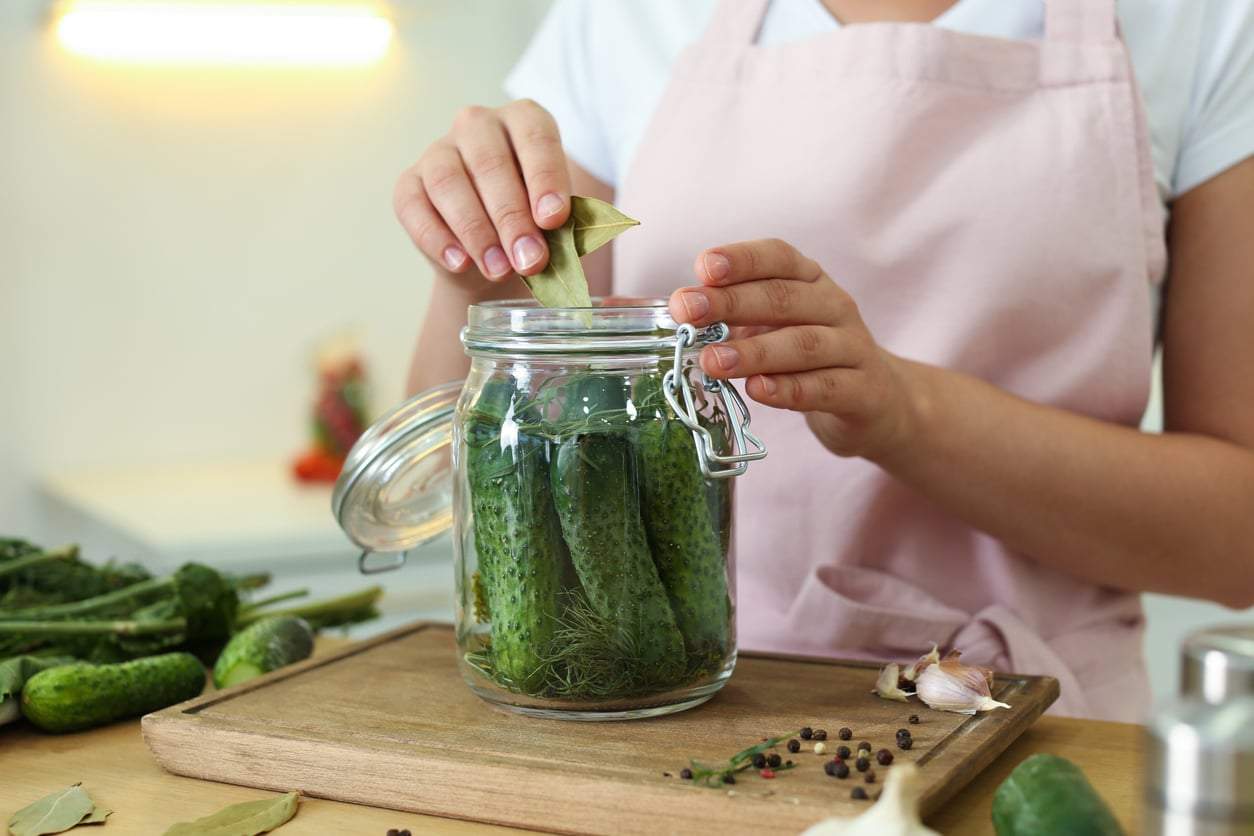
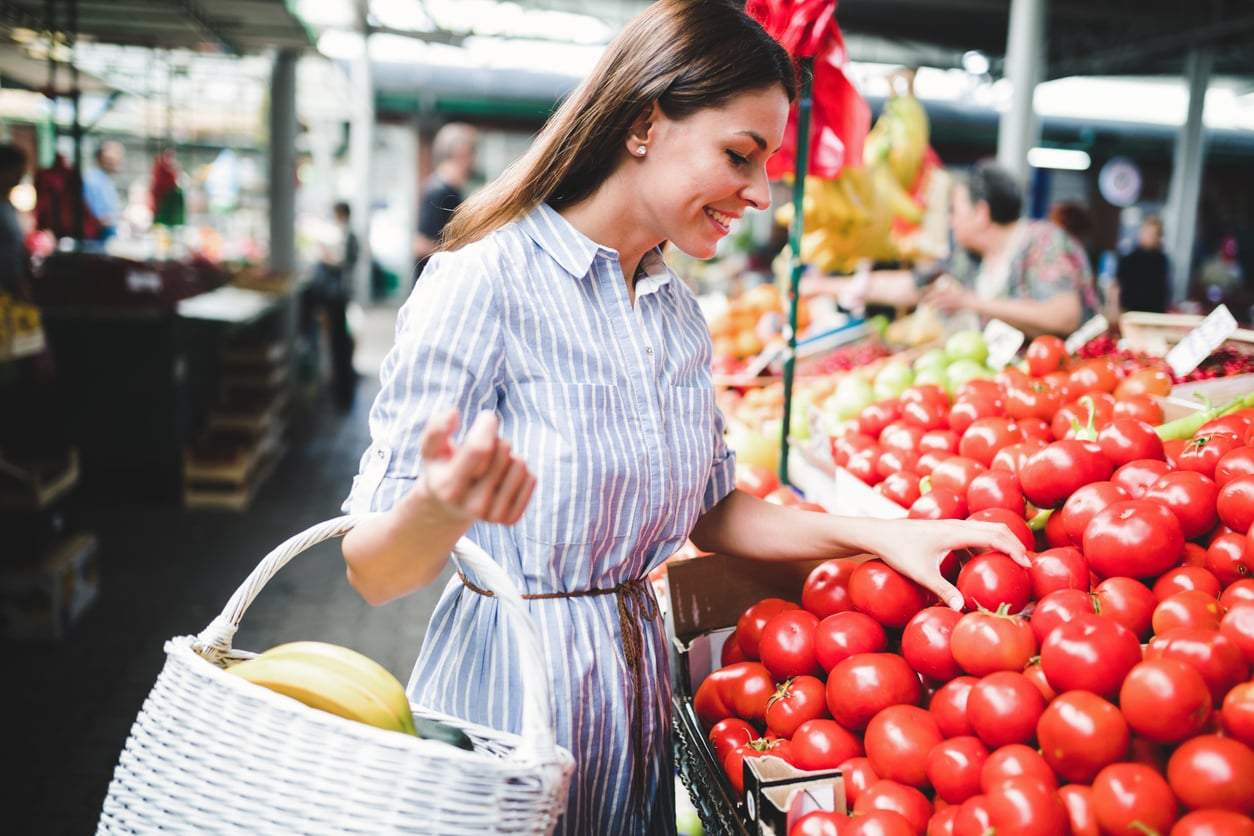
What makes the table feel abundant is not the number of hot dishes but the number of bright ones. Aim for three: something acidic, something fresh, something creamy. Quick pickled red onions are the cheapest kind of magic — sliced thin, covered with lime juice and a good pinch of salt, left to sit for an hour until they turn pink. A raw salsa of chopped tomato, white onion, chilli, coriander and lime takes five minutes. A tomatillo salsa, made by simmering tomatillos and a chilli until they slump and blending them with garlic and salt, takes fifteen and keeps for days.
Round it out with shredded cabbage tossed in lime, sliced radishes, crumbled salty cheese, a bowl of crema or thinned sour cream, and lime wedges everywhere. Half of these can be done the day before and left in the fridge, which is the real reason this style of eating works for a weeknight gathering.
Tortillas deserve more care than the filling
A cold, stiff tortilla will undo a four-hour braise. Warm them properly: a dry pan over medium-high heat, thirty seconds or so a side, until they puff slightly and smell toasted. Stack them in a clean tea towel inside a bowl with a lid as you go, so the steam softens them. If there is a tortillería or a Mexican grocery near you, buy from them rather than from the supermarket aisle — the difference between a fresh corn tortilla and a shelf-stable one is roughly the difference between fresh bread and toast from the freezer.
The same goes for pan dulce. Buying your conchas from a local panadería rather than attempting them at nine at night is not a shortcut, it's good sense, and it puts your money where the skill is. If you want the flavours of the season on the sweet end without a project, poached pears or roasted plums with a little cinnamon and a spoon of cream will do.
What should I cook if I've never made Mexican food before?
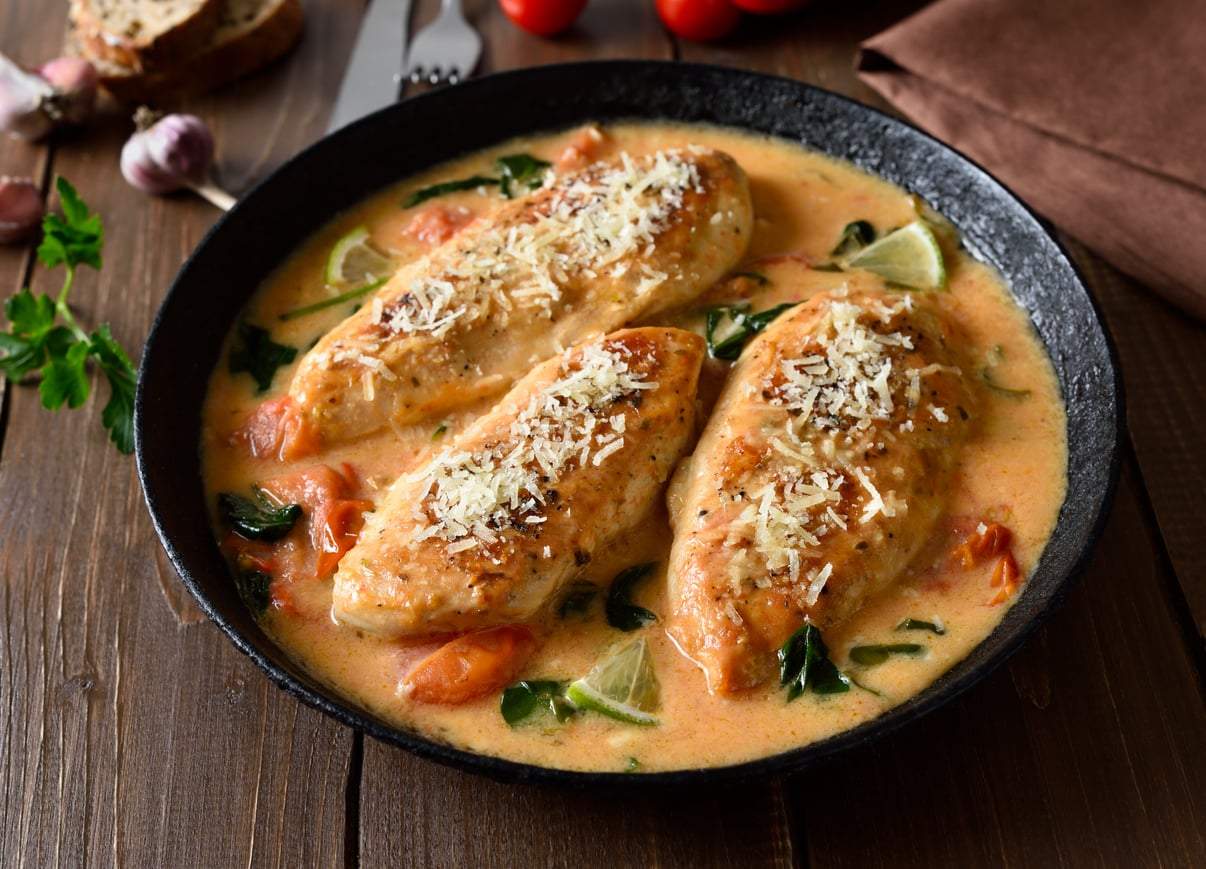
Start with chicken tinga: chicken thighs simmered with blitzed tomato, onion, garlic and one or two chipotles in adobo, then shredded back into the sauce. It is hard to ruin, it tastes better the next day, and it gives you a warm, smoky base that works in tacos, on rice or piled onto a baked potato if the leftovers outlast the occasion. Add pickled onions and lime and you already have a table that feels considered.
How do I make it feel festive without spending all day in the kitchen?
Do the slow thing the night before and the fast things an hour ahead — the braise reheats better than it cooks fresh, and salsas improve with a short rest. Then spend your last thirty minutes on atmosphere rather than cooking: a jug of agua fresca made from hibiscus steeped and sweetened, or horchata bought from somewhere that makes it well, music loud enough that people talk over it, and every bowl on the table at once so nobody has to wait to be served.