Every December there is a frantic weekend of fudge-making and biscuit-icing, and the results are lovely for about four days. The gifts people actually remember are the ones that were quietly maturing in a cupboard since autumn: the jar of something dark and spiced, the bottle that smells of vanilla the moment you open it. Mid-October is exactly the right moment to start them, because the only ingredient these recipes really need is weeks.
Start with the jars, not the recipes
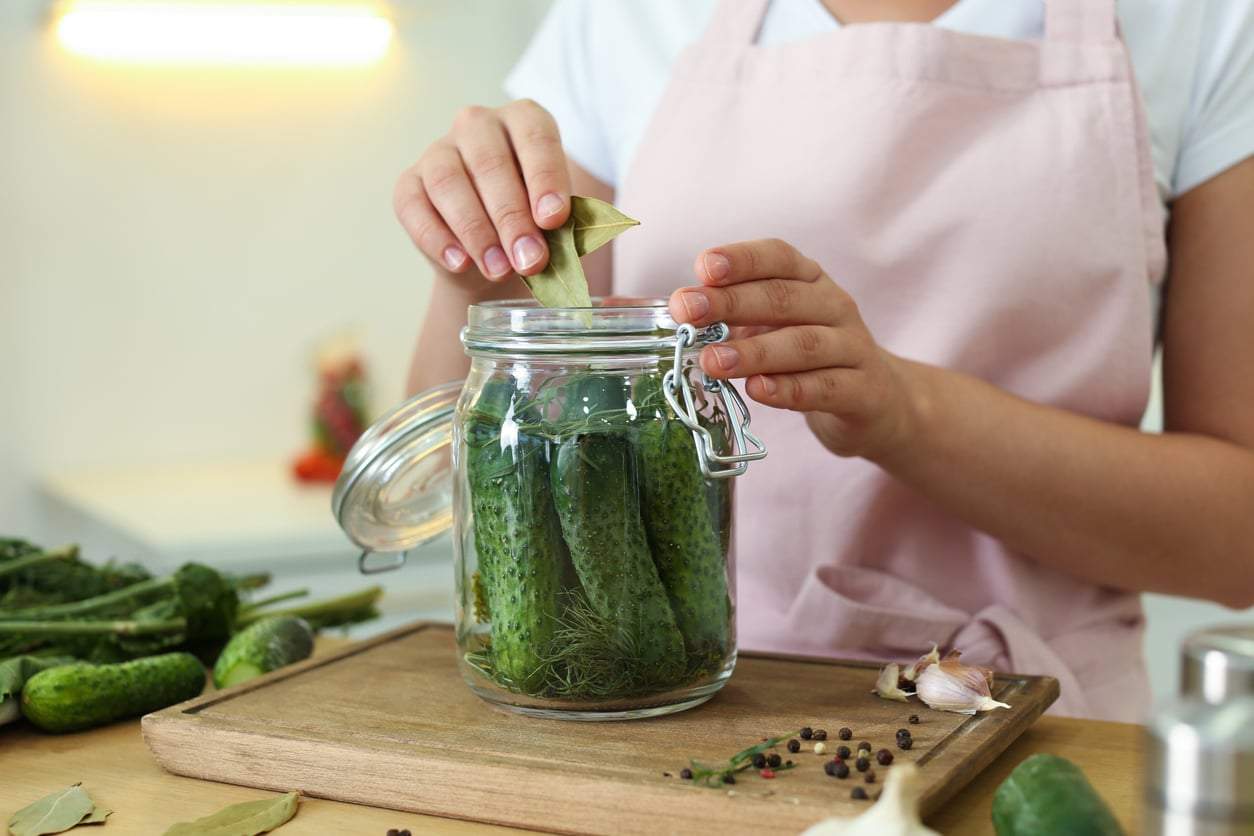
Everything here depends on clean jars and bottles. Wash them in hot soapy water or run them through the dishwasher, then dry them in a low oven for about fifteen minutes and fill them while still warm where the recipe is hot. Lids with rubber seals should be washed and dried but not baked. Use glass with a proper vinegar-resistant lid for anything acidic, and label every single thing with what it is and the date you made it, because by December you will not remember which cloudy liquid was which.
One safety note worth repeating: anything containing fresh garlic, fresh herbs or fresh chilli stored in oil belongs in the fridge and should be used within a week or two. For gifts that sit in cupboards, stick to dried aromatics.
Vanilla extract, and other slow infusions
The easiest and most generous gift on the list. Split three or four vanilla pods lengthways, push them into a small bottle, cover with vodka, seal and put it at the back of a cupboard. Shake it whenever you remember. By December it will be amber and fragrant; by next spring, genuinely excellent. Give it in the bottle it matured in, with a tag suggesting a teaspoon per cake.
The same principle works for sloe or damson gin if you still have fruit in the freezer, and for a spiced rum made with a cinnamon stick, a few cloves, a strip of orange peel and a split vanilla pod. Taste as it goes and strain out the spices once the flavour is where you want it, otherwise cloves will take over entirely.
Preserved lemons and a good chutney
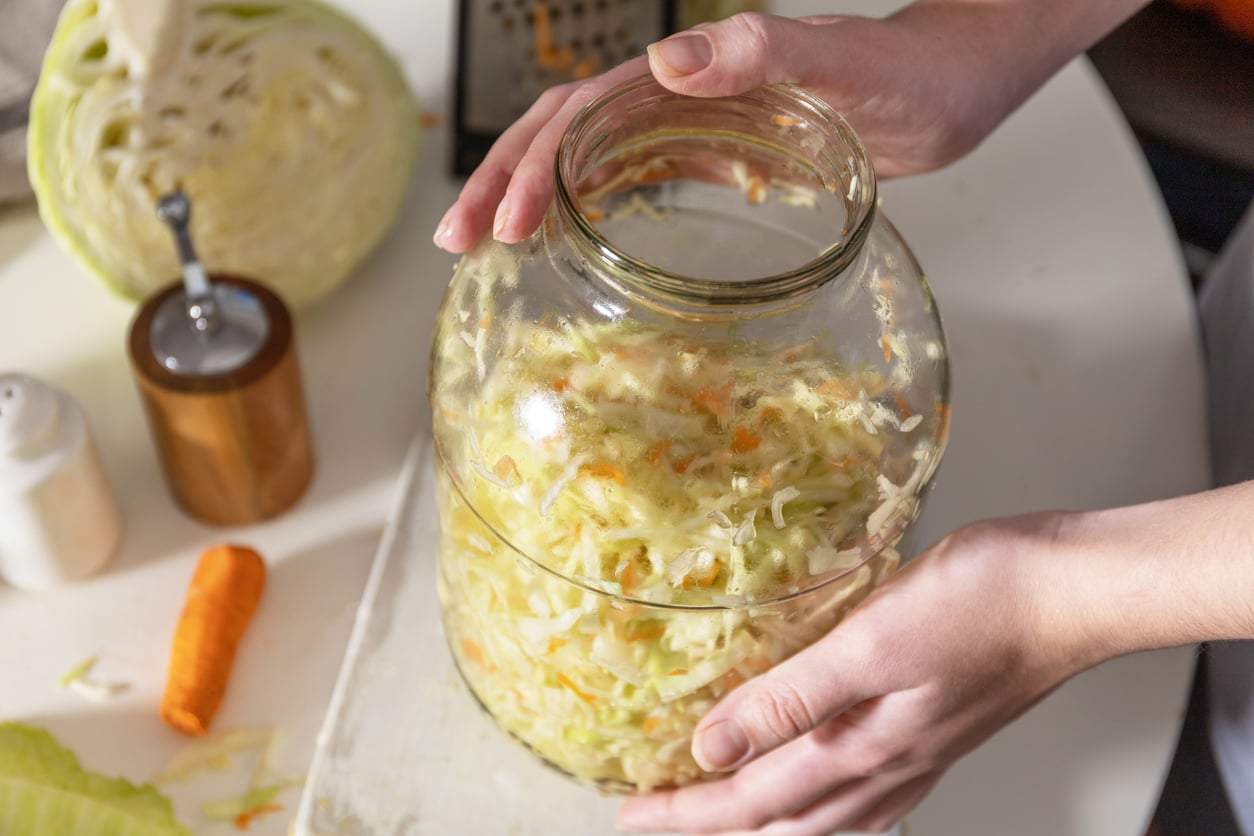
Preserved lemons feel far more impressive than the effort involved. Quarter unwaxed lemons almost to the base, pack them hard with coarse salt, cram them into a jar, press down until the juice rises over the top, and add more lemon juice if needed to cover. Leave them somewhere cool, turning the jar every few days. In six to eight weeks the peel is soft and savoury and transforms roast chicken, grains and dressings.
Chutney is the other classic that genuinely improves with waiting — apple and onion, pear and ginger, green tomato if your plants ended the season unripe. Cook it until a spoon drawn across the pan leaves a clear channel, jar it hot, and tell the recipient it is best after a month. Most homemade chutney tastes harsh in week one and mellow and rounded by December, which is precisely the point of making it now.
Fruit in alcohol, for the cupboard and the Christmas table
Prunes in brandy, cherries in kirsch, dried apricots in amaretto: put the fruit in a jar, cover it completely with spirit, add a spoonful of sugar if you like, seal, and forget about it. The fruit plumps, the alcohol takes on the flavour, and both halves become useful — the fruit over ice cream or with cheese, the syrup in coffee or over a sponge. It is the most forgiving thing on this list and the one people tend to ration out for months.
How far in advance can I make homemade food gifts?
Infusions and fruit in alcohol can be started now or even earlier and only get better, while chutneys and preserved lemons want roughly four to eight weeks to mellow, so October is close to ideal. Anything with fresh dairy, fresh herbs in oil, or no acid, sugar or alcohol to preserve it should be made in the last few days instead and kept refrigerated. When in doubt, follow a tested preserving recipe rather than improvising the ratios.
How do I package edible gifts so they look expensive?
Keep the jars plain and let the contents be the colour — a dark chutney or a bottle of amber extract needs very little help. A brown paper tag with the name of the thing, the date it was made and one line on how to use it does more than ribbon ever will, because it tells the recipient you thought about their kitchen. If you are giving several small jars together, a shallow cardboard box lined with a tea towel they can keep turns three modest items into a proper present.