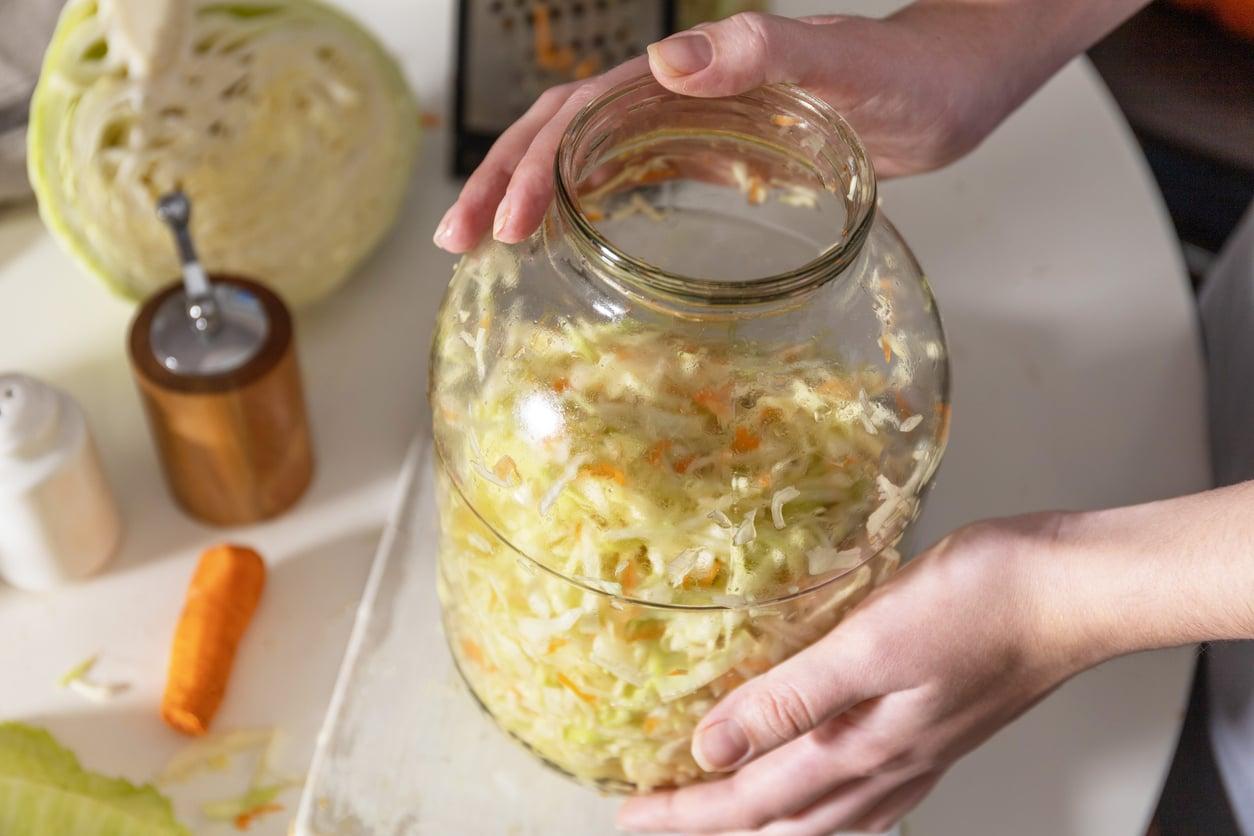
I'm willing to bet you have at least one recipe like this — the kind you only have to mention by name and everyone in the room knows exactly what you mean. A dish that people ask for, that gets passed around on scraps of paper, that feels less like a recipe and more like a family heirloom. We have a few of those in our family. This is one of them.
A few years ago, I came across a pickled mixed vegetable recipe that completely changed what lives on my pantry shelf. My in-laws used to spend every autumn making enough jars to keep the entire extended family stocked through winter. But as the years passed and their health made it harder, the job — and the tradition — quietly passed to me.
The recipe came with it. So did the responsibility to get it right.
I made exactly one change from the original: I cut the sugar significantly. Not for health reasons, really — I just find overly sweet pickles a little off-putting. I'm firmly in the camp of sharp, tangy, and just slightly sour. The sugar is still there, because you do need it to round out the flavor and let the vegetables hold their own character. But a lot less of it.
The secret is in the ratios — and the patience
To make this pickle, you'll need 2 lbs (about 900g) each of cabbage, bell peppers, and either green tomatoes or cucumbers, plus 2 lbs (about 900g) of onion. The original recipe called for around 1.5 lbs (700g) of sugar — I use roughly half that. You'll also need 3.5 oz (100g) of salt, 1⅔ cups (400ml) of white wine vinegar at 10% acidity, and 1 small teaspoon of potassium metabisulfite (also sold as wine sulfite or campden powder).
The method couldn't be simpler:
- Shred or finely slice all the vegetables — I keep a dedicated plastic basin just for this job.
- Once everything is sliced, mix the remaining ingredients together until dissolved, then pour over the vegetables.
- Toss and massage everything well, then cover and leave for 24 hours so the vegetables release their liquid and the flavors meld together.
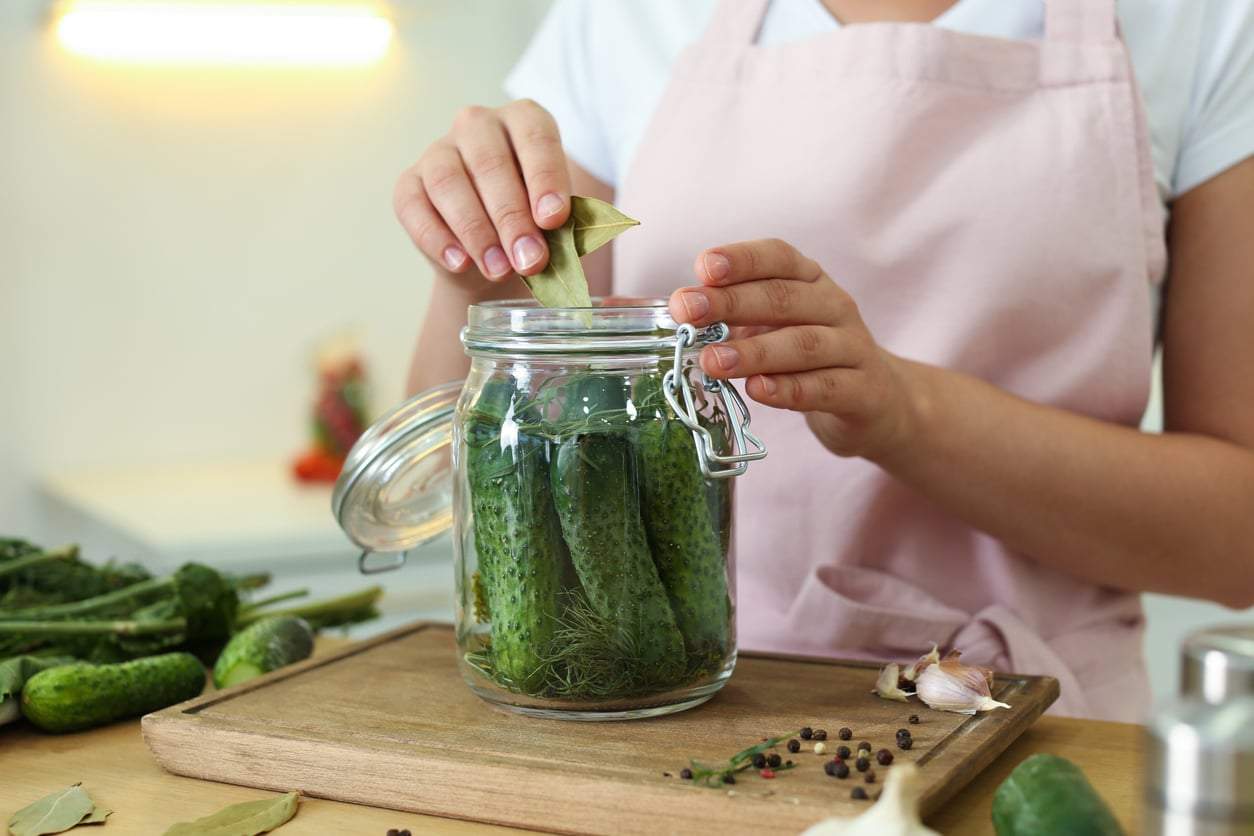
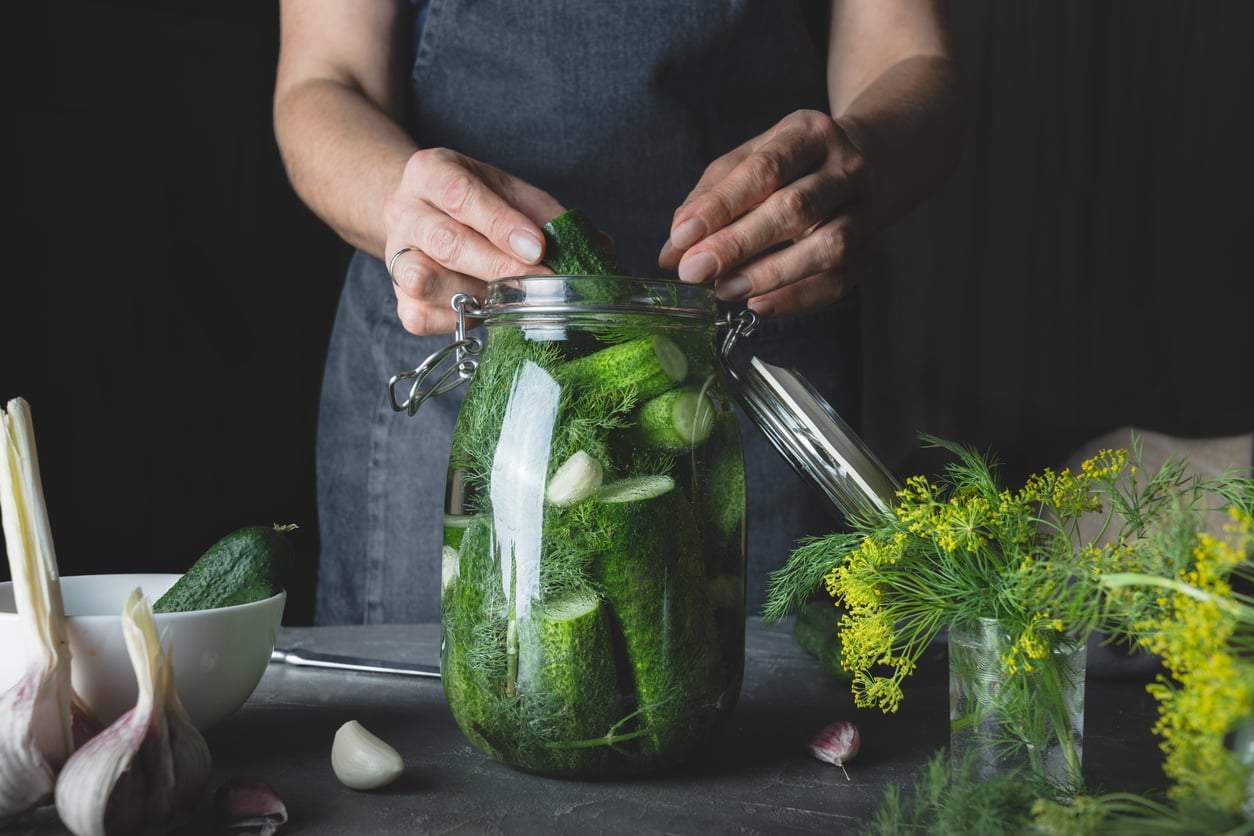
- Pack into clean, sterilized jars and store in a cool, dark place.
Clearing up the fears: vinegar, sulfites, and "keeping it natural"
A lot of people flinch at potassium metabisulfite, but there's really no need to worry. It's precisely what gives this pickle its satisfying crunch — the reason it stays firm and fresh-tasting months after you make it, rather than turning soft and sad.
The amount of vinegar also raises eyebrows. "Won't it be overwhelmingly sour?" The short answer: no. Over the 24-hour resting period, the vegetables release an enormous amount of their own liquid, which naturally dilutes the vinegar to a pleasant, well-balanced acidity. And when you serve the pickle, you drain off the brine anyway — you're eating the vegetables, not drinking the liquid.
I know fermentation is having its moment right now — and I ferment things too, genuinely — but this homemade pickle is miles cleaner and more honest than anything you'll find in a supermarket jar, which tends to be packed with preservatives, flavor enhancers, and texture stabilizers you don't need.
And if you can use vegetables from your own garden, even partially? It immediately takes the whole thing to another level entirely.
On a grey, cold winter afternoon, cracking open one of these jars feels like a small act of time travel. The bright, crunchy vegetables bring freshness and color to heavy winter meals — and something else too, something harder to name. A little warmth. A little home.
Family recipes aren't scripture, and there's no need to turn them into sentimental films. But there is something genuinely good about having a shelf full of jars you made yourself — something that tastes right, that connects you to where you came from, and that reminds you, every time you open one, exactly whose hands taught you how. Even if a bit of creative swearing happened during the slicing.
Can I make this pickle without potassium metabisulfite?
You can, but the texture will suffer over time. Potassium metabisulfite is what keeps the vegetables crisp for months. Without it, the pickle will still taste good but will soften faster — plan to use it within a few weeks rather than storing it all winter.
What vegetables work best in this recipe?
The classic combination is cabbage, bell peppers, and either green tomatoes or cucumbers, plus onion. Green tomatoes give a sharper, more complex flavor; cucumbers keep things lighter and fresher. Both work beautifully — it really comes down to what you have on hand.
How long does homemade pickled mixed vegetables keep?
Stored in sterilized, sealed jars in a cool, dark pantry, this pickle keeps well for several months — easily through winter and into spring. Once opened, keep the jar in the refrigerator and use within a couple of weeks.
Can I reduce the sugar further or leave it out entirely?
A small amount of sugar genuinely helps balance the acidity and brings out the natural sweetness of the vegetables. Leaving it out entirely tends to make the pickle taste flat and harsh. Reducing it — as this recipe already does — is a great call if you prefer a sharper flavor profile.