There's a smell that instantly means summer to me: the fresh, spicy aroma of homemade fermented pickles cooling in the fridge. One bite, and they can bring almost any summer meal back to life.
The good news? Getting that perfect crunch and flavor isn't complicated. It just comes down to a few small decisions that most people get wrong. Here's exactly what to watch for, from picking your ingredients to the final jar.
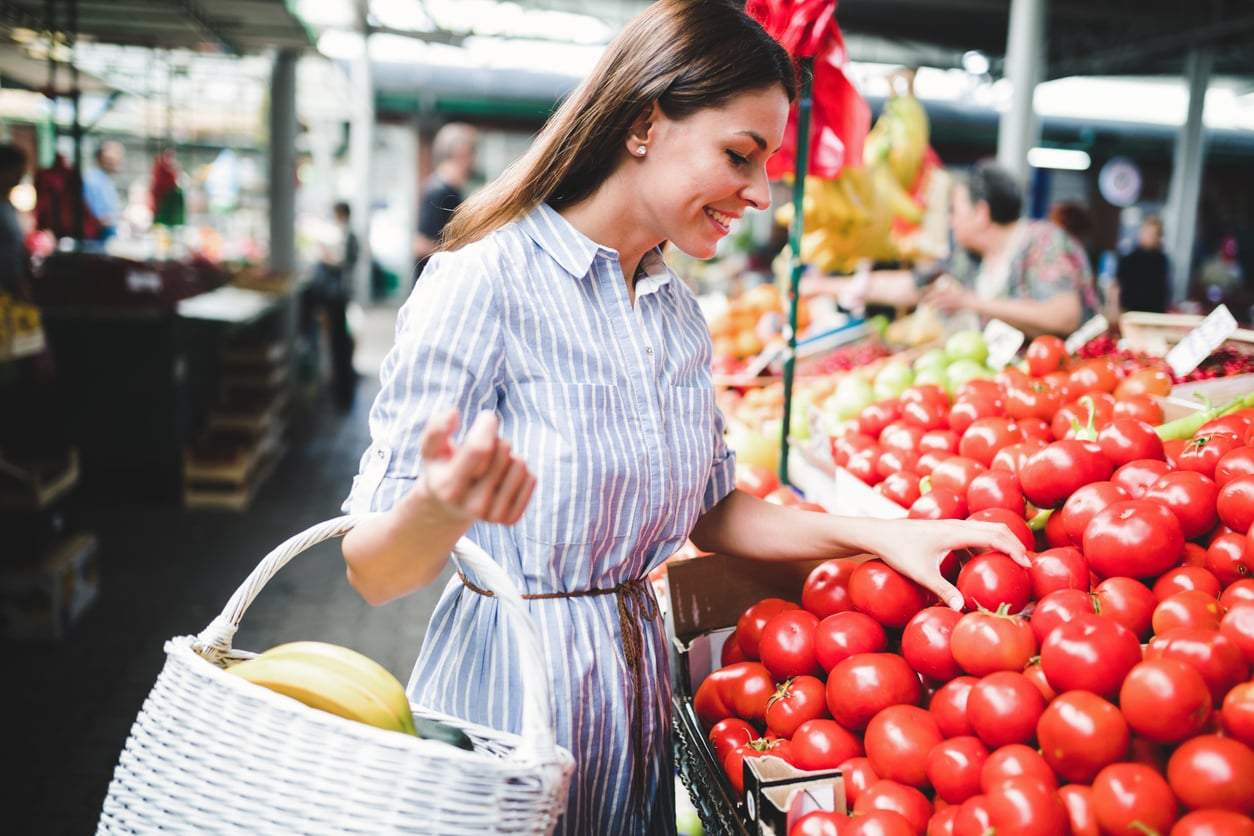
Many of us carry warm memories of a childhood kitchen or a local market, where the older vendors knew exactly what made a single bite unforgettable. I still think fondly of my favorite greengrocer, an older gentleman whose shop welcomed me every time with the most wonderful fresh smell and colorful display I've never forgotten.
He had a kind word for every customer. The shop still sells vegetables today, but since he retired, neither the atmosphere nor that unmistakable aroma has ever come back. I learned so much from him over the years — he always had a clever idea for what to make with whatever was in season.
I didn't realize it at the time, but looking back, he's a big part of why I fell so deeply in love with plant-based cooking. These days I mostly ferment my vegetables, but one of my favorite recipes from him is still the classic fermented pickle.
Choosing the right cucumbers (and the right bread)
As always, the secret to a perfect result starts with quality ingredients. Only genuinely fresh cucumbers will give you that crisp, flavorful crunch.
The ideal pickling cucumber isn't too big and isn't too small — but every part of it should feel firm to the touch.
The tip isn't bitter at all, so there's no need to trim it, and you don't need to slit the cucumber either. So you actually save time by buying truly fresh produce. It's true that a slit cucumber pickles a little faster, but it also keeps less well afterward — and with a bigger batch, that can be the deciding factor.
If you're going the traditional bread-fermented route rather than pure fermentation, it's crucial to use good-quality sourdough bread. Sadly, a lot of "sourdough" is actually made with yeast, so it's worth heading to a local artisan bakery and asking which loaves are made with real sourdough starter.
The small prep steps that make all the difference
I make big batches of both fermented and bread-fermented pickles, because they disappear fast and any leftovers keep well in the fridge. For a 5-liter (about 1.3-gallon) jar, I use roughly 2.5 kilograms (about 5.5 pounds) of cucumbers.
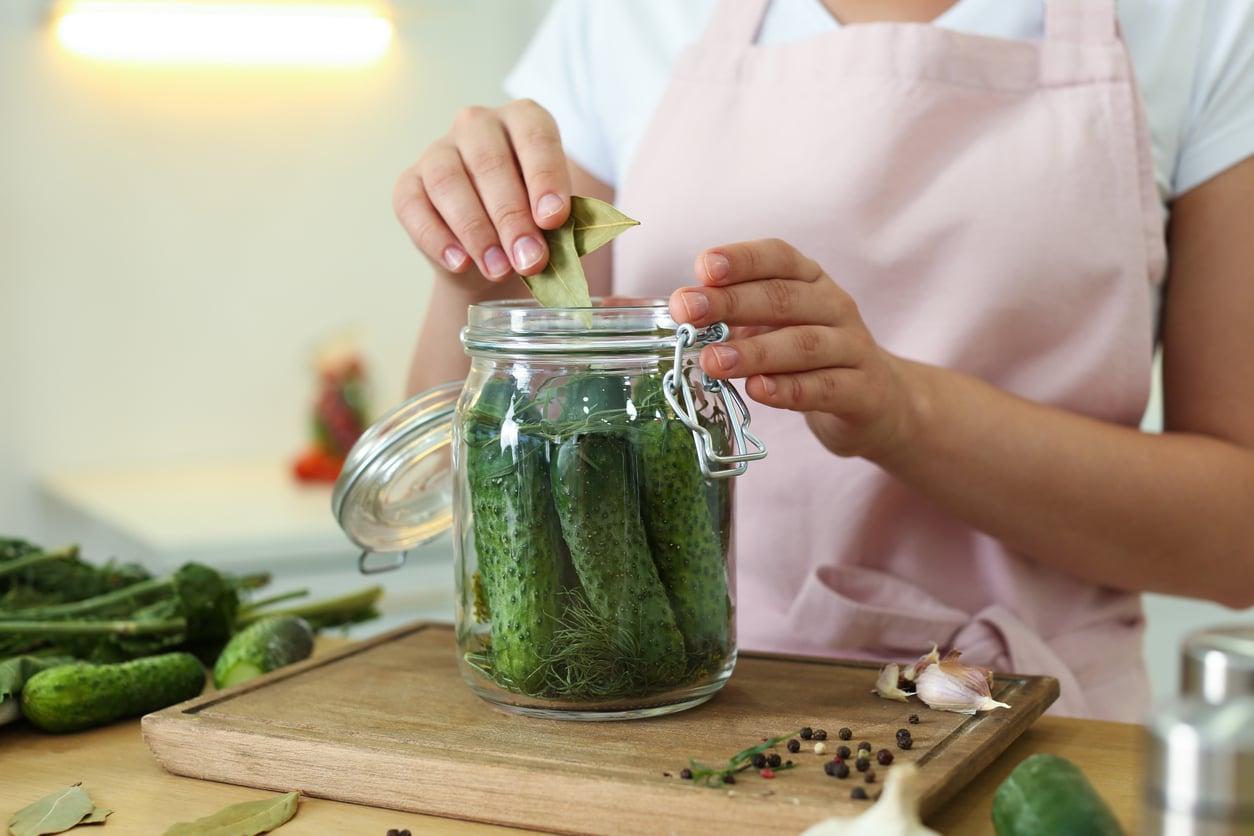
To prep them, I wash the cucumbers and rub off the little prickly spines by hand under lukewarm water. There's no need to overdo it — the goal isn't a sterile vegetable at all. The jar itself, however, should be completely clean.
Next, I bring 2.5 liters (about 10.5 cups) of water to a boil with 3 heaping tablespoons of non-iodized salt. (The lack of iodine really matters for proper fermentation, so plain salt is the best choice here.) While the brine cools to lukewarm, I pack the cucumbers tightly into the jar. For this amount, 4 to 5 large garlic cloves fit in nicely, and the dill comes fresh from the garden — I even use the thick stalks to press the cucumbers down firmly.
Once the cucumbers are in place, it's time to choose between the two methods: if you're craving classic bread-fermented pickles, add the bread to the jar; if you prefer the pure fermented version, simply pour the cooled brine over the vegetables.
The two mistakes that ruin a good batch
It's a myth that you need to put the jar out in direct sunlight. Too much heat softens the cucumbers quickly, so a pleasant room temperature is more than enough. The other common mistake is not sealing the jar tightly — but you really should, because it dramatically reduces the chance of anything going wrong during fermentation.
Do keep one thing in mind: place a tray or plate under the jar, so any brine that seeps out doesn't drip onto your table or windowsill. When the pickles are ready and have reached that perfect flavor, I strain the whole thing: I arrange the crunchy pieces in a glass dish, pour the strained brine back over them, and store and serve them straight from the fridge.
Every time I lift the lid off that dish resting in the fridge and that unmistakable, spicy aroma hits me, I think of my old greengrocer — and of something else, too: real flavor doesn't need complicated recipes. Just good ingredients, a little patience, and a pinch of love.
How do I know if a cucumber is right for pickling?
Look for cucumbers that aren't too big or too small, and that feel firm all over. Genuinely fresh, firm cucumbers are what give you that crisp, satisfying crunch.
Do I need to slit the cucumbers before pickling?
No. If your cucumbers are truly fresh, there's no need to slit them or trim the tips. Slitting speeds things up slightly but makes the pickles keep less well, which matters with larger batches.
Why should I use non-iodized salt?
Iodine can interfere with proper fermentation, so plain, non-iodized salt is the best choice for a reliable, tasty result.
Should I put the jar in direct sunlight?
No — that's a common myth. Too much heat softens the cucumbers, so a comfortable room temperature is ideal. Just seal the jar tightly and set it on a tray to catch any leaking brine.