There's a certain kind of tomato you just slice, sprinkle with salt, drizzle with a little olive oil — and suddenly you can taste summer. No recipe needed. It's so flavorful on its own that dressing it up would almost be a shame.
Summer tomatoes are a completely different experience from what we settle for the rest of the year. Right now, markets and gardens are overflowing with meaty, juicy, tiny, yellow, red and beautifully unusual varieties sitting side by side. These few weeks are worth making the most of, because this is when fresh, fragrant tomatoes are truly at their peak.
But how do you spot a good one? Which variety works best for what? And what should you do at home to keep that flavor for as long as possible?
The tomato you choose really does matter
Tomatoes can vary wildly in taste and texture, so it pays to think about what you'll actually cook with them before you even reach for the bag.
Cocktail and cherry tomatoes: small, sweet and versatile
Smaller tomatoes tend to be sweeter, and their bite-sized shape makes them perfect for salads, sandwiches — or just snacking straight from the bowl.
If you don't feel like fussing over dinner, a bowl of cocktail tomatoes with a few slices of fresh bread, some cheese and a handful of herbs can be a genuinely great meal on its own.
Vine and medium tomatoes: the all-rounders
Round, medium-sized tomatoes are a smart pick if you want one variety that does a bit of everything. They hold their own in salads, sandwiches and cooking alike.
Plum tomatoes: made for cooking
Easy to recognize by their elongated shape, plum tomatoes are meatier and shine in cooked dishes. Reach for these when you're making tomato sauce, soup, a rich ragù or anything roasted in the oven.
Beefsteak tomatoes: best sliced thick
Big, meaty and juicy, the beefsteak tomato cuts into gorgeous, thick slices. It's a natural fit for sandwiches, burgers, or a simple tomato salad where the tomato is the whole point.
Heirloom tomatoes: don't judge them by their looks
Among the so-called heirloom varieties, you'll find plenty of oddly shaped specimens. They come in yellow, orange, greenish, pink and deeper, dusky shades.
Don't worry if they aren't perfectly round — shape isn't the point with these. When you're buying, look instead for tomatoes that seem fresh, healthy and ripe.
Four things worth checking before you buy
You don't need to squeeze your way through the entire crate to find a good tomato. As Good Housekeeping points out, a few simple moves can tell you almost everything.
1. Pick it up
A good tomato feels heavy for its size. That usually means it's full of juice.
Hold it gently: it should feel firm, but not rock hard. If it's too soft and your finger leaves a mark, it's probably overripe.
2. Smell it at the stem
This one is surprisingly telling. A ripe tomato has a distinctive fresh, slightly sweet aroma.
If you barely smell anything, chances are the flavor won't be particularly intense either.
3. Check the skin
The skin of a fresh tomato should be intact and vibrant. Large bruises, deep cracks, wrinkled patches or strange discoloration are rarely good signs.
Of course, a striking, irregularly shaped tomato doesn't belong back in the crate. A naturally quirky form is no flaw at all.
4. Don't be afraid to experiment
If you've always grabbed the same red tomato, try a different variety this year. Color and type both affect the flavor, and a yellow or orange one might just become your new favorite.
Don't put tomatoes in the fridge on autopilot
This is one of the most important rules if you want to hold on to that fresh flavor.
Whole tomatoes generally prefer room temperature, so keep them on the counter or somewhere out of direct sunlight. Too cold an environment can hurt both their texture and their aroma.
Once you've sliced one, of course, pop it in the fridge and try to eat it within a day or two.
If the tomatoes you bought are still hard and underripe, don't wait for them to soften in the fridge. Leave them at room temperature to keep ripening. To speed things up, tuck them in a paper bag next to a banana.
The best tomatoes don't need a complicated recipe
In summer, there's really no need to overthink a tomato: fresh, with just a few simple ingredients, it's already fantastic.
Slice a ripe, meaty tomato, add a pinch of salt and a few drops of olive oil, and you've got one of the easiest summer starters there is.
If you have fresh basil and a slice of crusty bread on hand, you can take it further. The same trick works with feta, mozzarella, any soft cheese, or even just a little freshly ground pepper.
A good tomato doesn't ask for much: a handful of simple ingredients is all it takes for its flavor to truly stand out.
In a salad, let it be the star
There's no need to overcomplicate a tomato salad either. Mixing a few varieties makes it more interesting, though: alongside big, meaty slices, throw in some sweet cocktail tomatoes.
Red onion, cucumber, fresh basil or other herbs all pair beautifully. For the dressing, olive oil, a splash of vinegar or lemon juice, salt and freshly ground pepper are plenty.
Let it sit for a few minutes — the tomato juices and dressing naturally come together into a lovely sauce at the bottom of the bowl.
For cooking, go for the meatier ones
If you're making a sauce, tomato soup or a summer vegetable stew, it no longer matters whether the tomato is perfectly crisp.
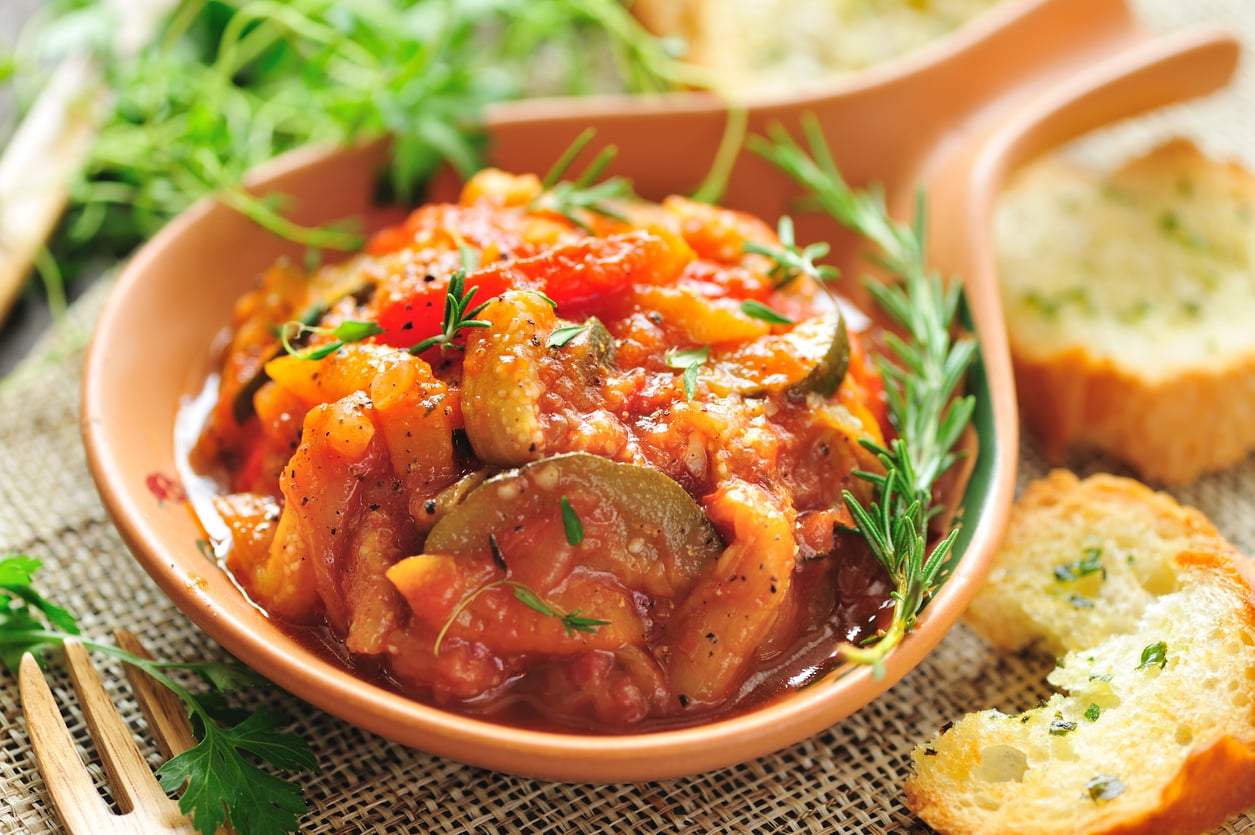
Meatier varieties are more practical here. Heat softens them and concentrates their flavor. You can also roast tomatoes in the oven: a little olive oil, garlic and herbs give them a whole new character.
And those very ripe specimens shouldn't sit around on the counter for days. If you wouldn't eat them fresh anymore, turn them into a sauce, a soup or a stew.
Now is the time to make it the main event, not the sidekick
One of the best things about tomato season is that you don't need a special occasion to enjoy it. It can go in your morning sandwich, your lunchtime salad, your afternoon toast — and by evening it can become a stew, a sauce or a roasted side.
The key is to look not just at how pretty a tomato is, but at what you actually want to do with it. The big, meaty ones slice beautifully, the tiny ones make sweet little bites, plum tomatoes handle cooking well, and unusual heirlooms can turn even a simple salad into something special.
And if you find truly good, fragrant, sun-ripened tomatoes, don't bury them under too many ingredients. Sometimes a pinch of salt, a few drops of olive oil and a slice of fresh bread show best exactly why we wait all year for tomato season.
How do I know if a tomato is ripe?
A ripe tomato feels heavy for its size and firm but not hard, and it gives off a fresh, slightly sweet aroma at the stem. Vibrant, intact skin is another good sign.
Should tomatoes be kept in the fridge?
Whole tomatoes are best kept at room temperature, out of direct sunlight, since cold dulls their texture and aroma. Once sliced, store them in the fridge and eat within a day or two.
Which tomato is best for cooking?
Meatier varieties like plum tomatoes are ideal for cooked dishes such as sauces, soups and stews, because heat softens them and concentrates their flavor.
How can I ripen hard tomatoes faster?
Leave them at room temperature rather than in the fridge. To speed things up, place them in a paper bag next to a banana.