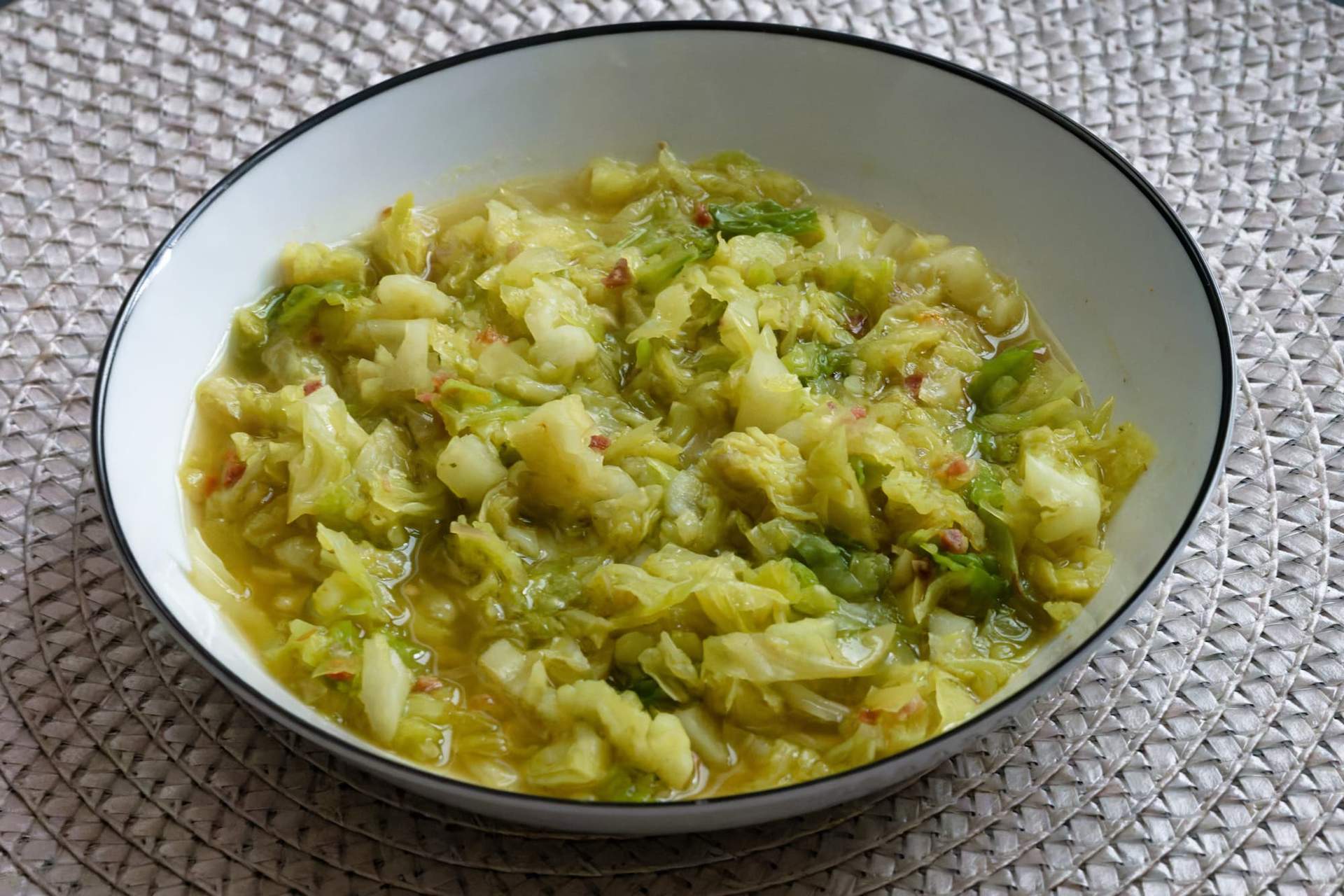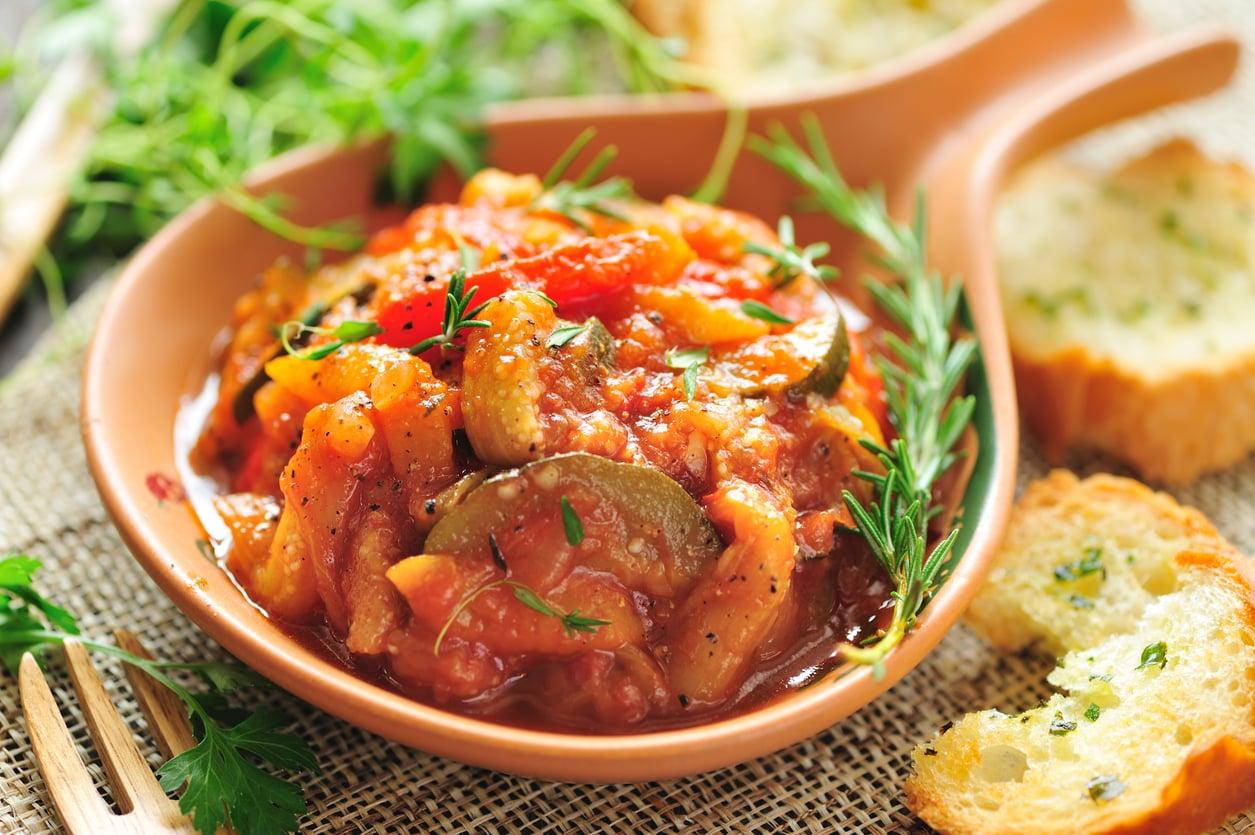
Lecsó is one of those brilliant dishes that asks very little and gives a lot — ripe tomatoes, sweet peppers, a splash of oil, and time. But tomatoes are naturally acidic, and that sharpness can easily take over, leaving the finished dish tasting unbalanced. Before you reach for the sugar jar or resign yourself to a sour pot, there is a far better fix.
Why lecsó turns out too acidic
Tomatoes are inherently acidic, and as they cook down and release their water, that acidity concentrates. If your tomatoes are under-ripe, out of season, or greenhouse-grown, the sourness becomes even more pronounced. A pinch of sugar is the classic workaround — but at best it masks the problem rather than solving it. The flavor never quite comes together the way it should.
The secret ingredient: a splash of heavy cream
The answer is heavy cream, and it works for a very simple reason. The fat in cream coats your taste buds, physically softening the sharp sensation that acidity creates. At the same time, it rounds out the whole dish — the natural sweetness of the tomatoes and peppers moves to the front, and the sourness quietly steps back.
You do not need much. About ⅔ cup (roughly 7 fl oz or 200 ml) of heavy cream is plenty for a standard pot of lecsó. That small addition transforms the texture into something silkier and creamier, without making it taste heavy or overly rich.
How to add it without ruining the texture
This is where technique matters. Never pour cold cream straight from the fridge into boiling lecsó — the temperature shock will cause it to split, leaving you with a grainy, curdled mess.
Follow these steps instead:
- Remove the pot from the heat and let it cool for a few minutes
- Spoon a few tablespoons of the warm lecsó into the cream and stir to temper it
- Slowly pour the tempered cream back into the pot while stirring
- Return to the lowest heat setting and warm gently — do not let it boil again
That gentle tempering step is what keeps the cream smooth and the texture velvety.
Other tricks if you don't have cream on hand
No heavy cream in the fridge? Sour cream works too, though it gives a slightly lighter, tangier result. For a surprisingly effective dairy-free option, a small amount of coconut cream does the job — the flavor shifts a little from tradition, but the acidity-smoothing effect is real.
Another underrated fix is grated or finely diced carrot. Add it at the start and let it simmer alongside everything else. The carrot's natural sugars slowly neutralize the tomato's acidity without any added sugar at all — and it practically disappears into the sauce by the time the lecsó is done.
For a completely dairy-free version, a splash of coconut cream works surprisingly well — just keep in mind it nudges the flavor slightly away from the classic.
Good ingredients make the biggest difference
Cream is a brilliant finishing touch, but the best lecsó starts with the right tomatoes. Ripe, fleshy tomatoes — the kind that smell like summer — are naturally less acidic than pale, firm supermarket varieties. Pair them with sweet pointed peppers or red Romano peppers, and the balance practically takes care of itself.
When the base is solid, cream becomes exactly what it should be: a small, elegant adjustment that pulls everything together into one harmonious, deeply satisfying dish.
Can I use milk instead of cream?
Milk has far less fat than cream, so it won't coat the palate the same way and is much more likely to split when added to a hot, acidic sauce. Stick with heavy cream or sour cream for reliable results.
Does this change the classic lecsó flavor?
Not significantly. A small amount of cream softens the sharpness and brings the natural sweetness of the peppers and tomatoes forward — it enhances rather than masks the traditional taste.
When is the best time to add the cream?
Always at the very end of cooking, after you have taken the pot off the heat. Tempering the cream first and then warming it gently on low heat prevents splitting and keeps the texture smooth.
Why does the carrot trick work?
Carrots contain natural sugars that dissolve into the sauce as they cook, gradually neutralizing acidity from the inside out — no added sugar needed. They also become soft enough that they blend into the texture almost invisibly.