Every so often a recall notice travels further than usual, and suddenly a lot of us are standing at the open fridge door squinting at the back of a bottle. That is a reasonable thing to do — check it, follow the official guidance, and move on. But the more interesting question, once the squinting is over, is why most of us keep buying dressing at all. A good vinaigrette takes about ninety seconds, costs less than a coffee, and tastes noticeably better than anything that has been sitting on a warm supermarket shelf since spring.
The ratio that makes recipes almost unnecessary
Three parts oil to one part acid. That is the whole trick, and once it is in your hands you can stop measuring. Oil can be olive, rapeseed, a neutral oil cut with a spoon of sesame; acid can be red or white wine vinegar, cider vinegar, lemon, lime, or the brine from a jar of capers. Then you need an emulsifier — something that persuades the oil and acid to hold hands instead of sulking in separate layers. A teaspoon of mustard does it. So does honey, tahini, miso, or a spoonful of thick yoghurt.
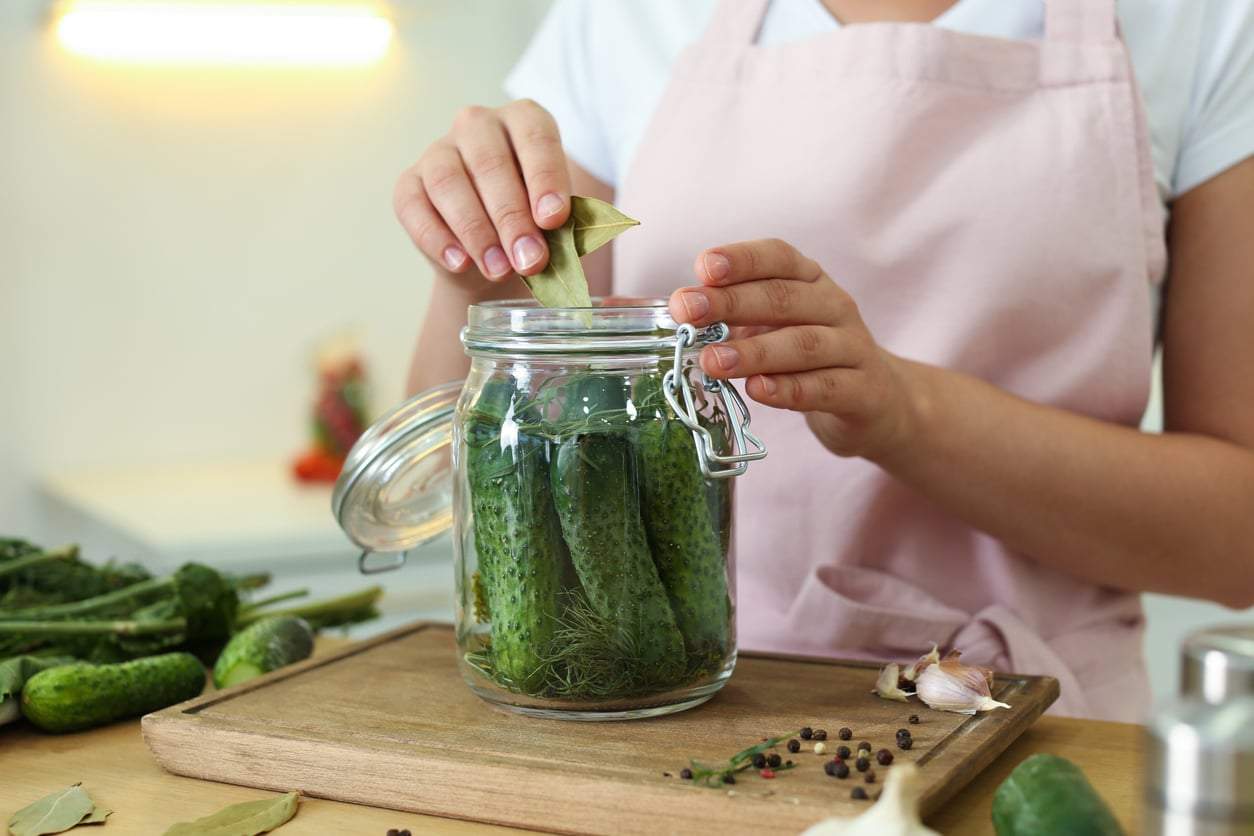
Put everything in a clean jam jar, season generously with salt and a grind of pepper, screw the lid on and shake hard for fifteen seconds. Taste it on a leaf, not off a spoon — fat and acid read completely differently against lettuce. Too sharp, add oil. Flat, add salt before you add anything else; nine times out of ten salt is what is missing, not more vinegar.
Five jars worth keeping on rotation
A classic Dijon vinaigrette is the house wine of dressings: Dijon, red wine vinegar, olive oil, a pinch of sugar if your vinegar is fierce. It goes on everything from bitter leaves to warm lentils.
Lemon and tahini makes a dressing thick enough to coat roasted vegetables. Tahini seizes alarmingly when it first meets liquid, so add cold water a spoon at a time and keep whisking; it loosens into something silky.
Honey-mustard yoghurt is the one children will eat. Thick yoghurt, wholegrain mustard, honey, lemon, salt. Lovely with grated carrot and apple, and good as a dip for raw things on a plate at six o'clock when nobody can wait.
Miso and ginger is the savoury one: white miso, grated ginger, rice vinegar, a little neutral oil and a drop of sesame. It transforms shredded cabbage into something you actively want.
Buttermilk and herb is the autumn version of a summer ranch — buttermilk or thinned yoghurt, lots of chopped chives, parsley and dill, a scrape of garlic, plenty of black pepper. Serve it the day you make it and the day after.
Storing it properly, and the one thing to be careful with
Use a clean, dry jar, label it with the date in pencil on a strip of masking tape, and keep it in the body of the fridge rather than the door, where the temperature swings every time somebody wants milk. Always spoon or pour from the jar rather than dipping a used fork into it — that one habit does more for shelf life than anything else.
One genuine caution: raw garlic sitting in oil at room temperature is not a safe thing to keep around. If you like garlic in your dressing, grate it fresh into the jar, keep the jar refrigerated, and finish it within a few days rather than letting it live on the counter.
How long does homemade salad dressing last in the fridge?
A straightforward oil-and-vinegar vinaigrette with no fresh garlic or dairy is comfortable for a week or so in a sealed jar in the fridge, and honestly it rarely survives that long. Anything containing yoghurt, buttermilk, fresh herbs or raw garlic should be treated like the dairy it contains — two or three days, and trust your nose over any date you have written down. If it smells sour in a way you did not intend, or looks separated in a cloudy, fizzy way rather than a neat two-layer way, pour it away.
Why does my vinaigrette separate or go solid in the fridge?
Separation is normal physics, not failure: oil and vinegar drift apart as the emulsion relaxes, and a hard ten-second shake brings it straight back together. Solidifying is also normal if you used extra virgin olive oil, which turns cloudy and thick at fridge temperature. Take the jar out while you wash the leaves, let it sit on the counter for ten minutes, then shake — it will loosen completely, and the flavour is entirely unharmed.