I once pulled a bag of chard out of the back of my fridge in a condition I would describe as archaeological. It had not gone off because I am wasteful. It had gone off because I put it somewhere I never look, behind a tub of something I had also forgotten. Nearly every sad vegetable in this country dies the same way: not from neglect exactly, but from bad placement.
A fridge is not one environment. It is several, stacked, with a temperature range from properly cold to barely cool, and once you organise around that — rather than around whatever fits — food lasts longer and, more importantly, gets used.
Learn the cold map before you move anything
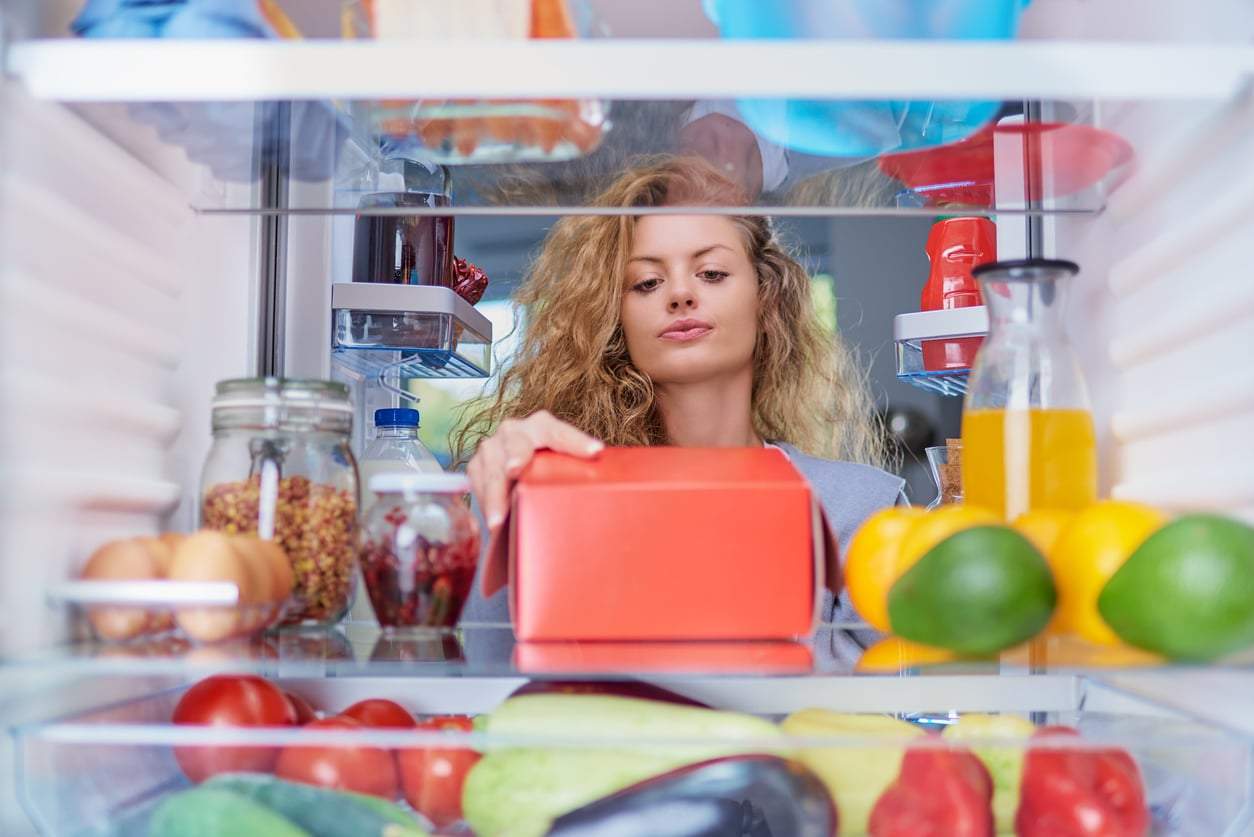
In most fridges, the back of the bottom shelf is the coldest place and the door is the warmest, because the door is opened and shut and swung about all day. The top shelf tends to sit a little warmer than the lower ones, and the drawers are designed to hold humidity.
That gives you a straightforward plan. Raw meat and fish go on the bottom shelf, at the back, on a plate or in a sealed box so nothing can drip onto anything below. Dairy and eggs go on a middle shelf, not in the door — the temperature swing in a door is the reason milk sometimes turns a day or two earlier than its date suggests. The top shelf takes leftovers, cooked food and anything ready to eat. The drawers take fruit and vegetables, kept separate if you can, because many fruits give off gases that make leafy things wilt faster. The door is for the things that genuinely do not mind: condiments, jars, pickles, juice you will finish this week.
Build an eat-me-first box
This is the single change that has cut my household's waste most, and it costs the price of one clear plastic tub. Everything approaching its limit goes in: the half pepper, the opened yoghurt, the end of the ham, the herbs that are turning. The box lives at eye level, front and centre, and it is the first place anyone looks when they want something.
The psychology matters more than the container. Food that is visible gets eaten; food in an opaque bag at the back does not exist. For the same reason, decant leftovers into clear boxes rather than foil-covered bowls, and write the date on a strip of masking tape. You will stop doing the sniff-and-guess routine, which is both unpleasant and unreliable.
The ten-minute reset before the shop
Do this the evening before your main shopping day, whenever that is. Take everything out of the door and the top shelf, wipe with hot soapy water, and sort into three piles: use this week, freeze now, compost. Anything that goes into the freezer gets a label — an unlabelled freezer bag is a future mystery and usually a future bin.
Then write your list from the gaps you can now see, rather than from habit. Half of most shopping lists is repurchasing things we already own but could not find. Ten minutes here routinely saves an entire duplicate bag of spinach.
A few things that should not be in there at all
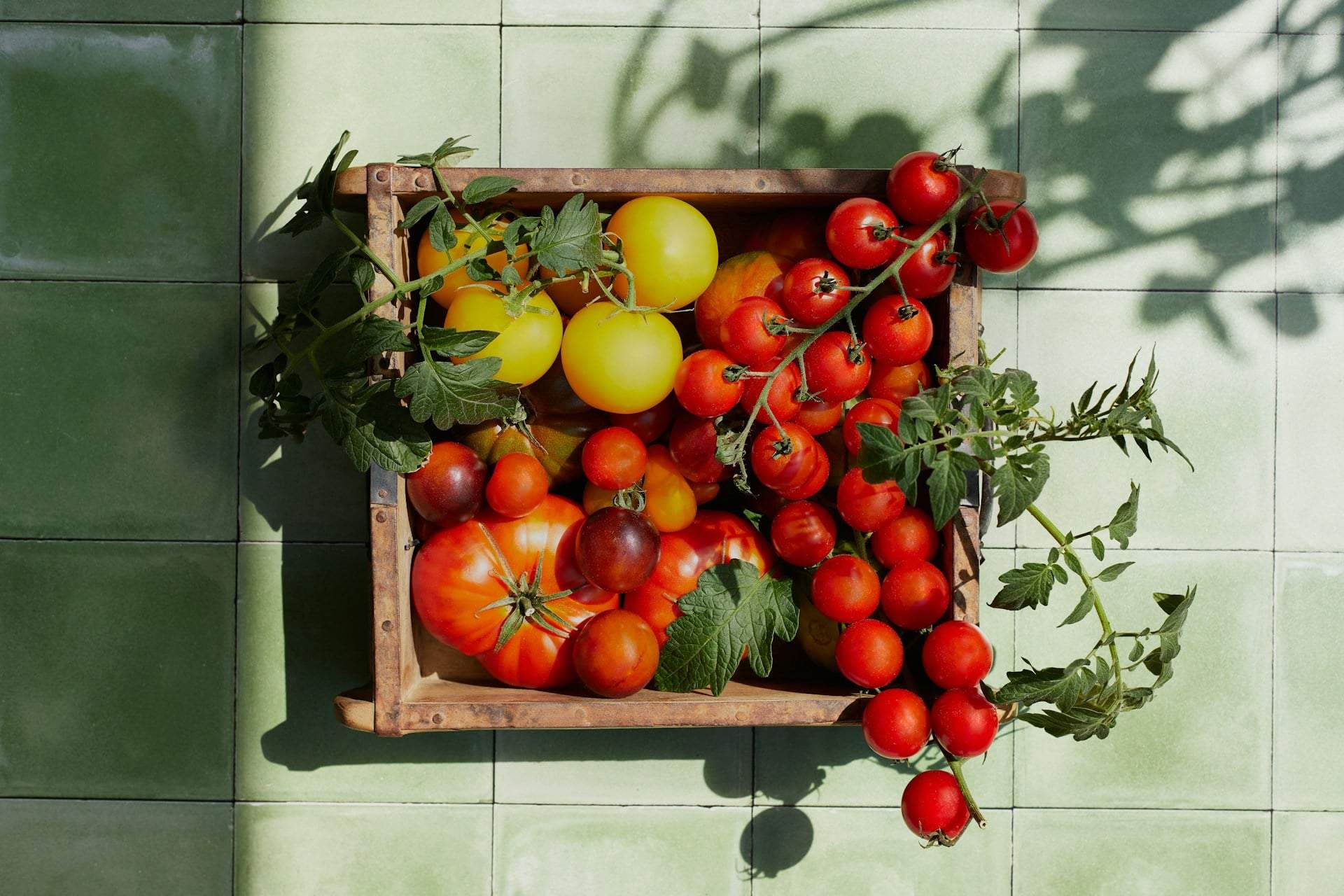
Tomatoes lose flavour and go mealy in the cold; keep them on the counter and they taste like tomatoes again. Potatoes, onions and garlic prefer a dark, airy cupboard, and potatoes in particular turn oddly sweet in a fridge. Bread goes stale faster chilled than at room temperature — freeze what you will not finish and toast it from frozen. Unripe stone fruit and avocados need the counter first; the fridge only afterwards, to hold them once they are ready.
Herbs are worth one small ceremony: trim the stems and stand them in a glass of water, loosely covered with a bag, on a middle shelf. Parsley and coriander will last well over a week like this instead of collapsing in three days.
Where should eggs and milk actually go?
Both belong on an interior shelf rather than in the door, because the door is the warmest and most temperature-variable part of the fridge. Milk keeps best towards the back of a middle or lower shelf, and eggs are happiest in their original box on a shelf, which also protects them and keeps the date visible.
How often should I clean the inside of the fridge?
A quick wipe of shelves and the door seal once a week, timed with your pre-shop clear-out, is enough for most households, and a proper empty-it-out clean every couple of months. Pay particular attention to the rubber seal and the drip channel at the back — a grubby seal lets warm air creep in, which quietly shortens the life of everything on the shelves.