I once counted what I threw out of my fridge in a single week: half a bag of rocket, three yoghurts, a lemon that had gone the colour of a bruise, and a container of leftover lentils I genuinely could not date. None of that was a shopping problem. It was a visibility problem. The fridge is the only cupboard in the house that is cold, damp, badly lit and stacked, and food you cannot see is food you will not cook.
So this is not a post about decanting things into acrylic bins. It is about arranging a fridge around two real facts: cold is not evenly distributed inside it, and everything in there is on a clock.
Learn your fridge's cold map
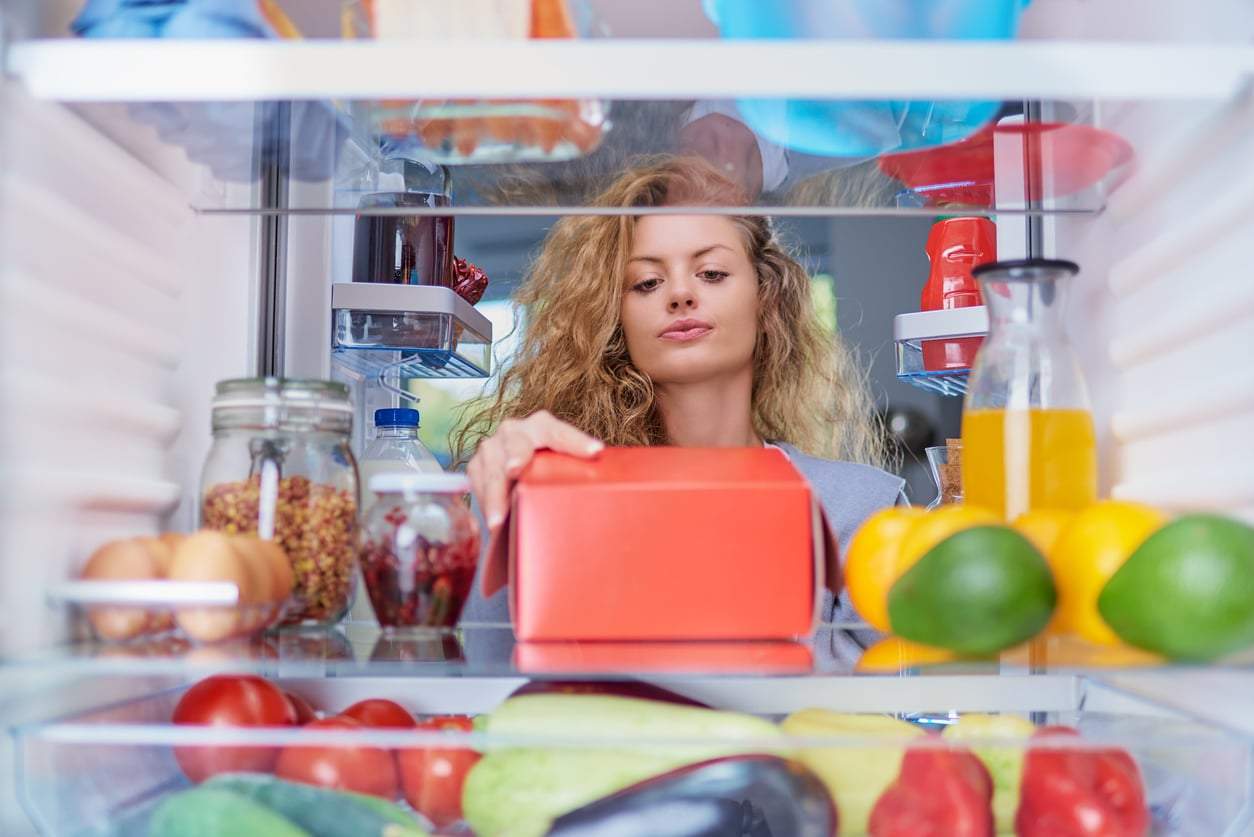
Every fridge has a temperature gradient, and once you know yours, half the decisions make themselves. The coldest area is usually the lowest shelf at the back, just above the drawers, because cold air sinks and the door never reaches it. The warmest and most variable spot is the door, which swings into a warm kitchen several times an hour.
That means the door is the worst possible place for milk and eggs, however conveniently the shelves are moulded for them. Put condiments, jars, and things that are already acidic or heavily preserved in the door — mustard, pickles, hot sauce, jam. Give the cold back shelf to raw meat and fish, always on a plate or in a sealed box so nothing can drip, and always below ready-to-eat food rather than above it. Dairy goes on a middle shelf. Cooked leftovers go on the shelf above that, at eye level, where you will actually notice them.
The drawers are for produce, and they are more useful than most of us realise. If yours have a humidity slider, high humidity suits leafy greens, herbs, broccoli and carrots; lower humidity suits things that rot when they sweat, like mushrooms, peppers and courgettes.
Give every shelf a single job
The reason a fridge collapses back into chaos three days after you tidy it is that nothing has a home, so everything goes wherever there is a gap. Assign jobs out loud: this shelf is dairy, this one is leftovers and open packets, this drawer is greens, this drawer is everything else, this door bin is jars. It does not matter whether your system matches mine. It matters that a bag of shopping can be put away without a decision.
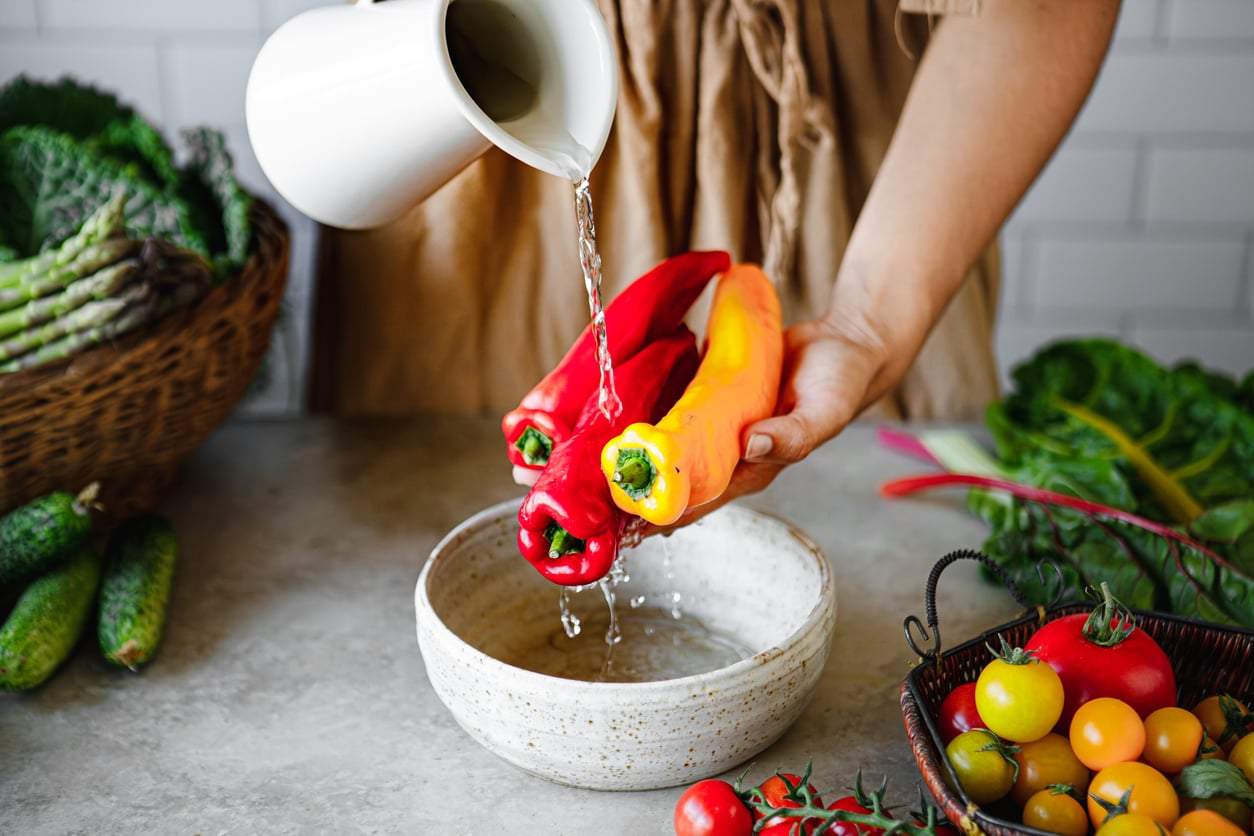
Two habits do more than any container. First, unpack produce properly instead of leaving it in the bag it came in — greens washed, dried thoroughly and stored loosely with a clean tea towel; herbs standing in a glass with an inch of water, loosely covered. Second, decant leftovers into shallow containers rather than deep ones, because shallow food cools faster and, crucially, you can see what it is at a glance.
The 'eat me first' box changes everything
Keep one open box or tray on the most visible shelf and put into it anything with days rather than weeks left: the half pepper, the opened yoghurt, the last two sausages, the cooked rice from Tuesday. This single tray has reduced my waste more than any other kitchen habit, because it converts a vague guilt about the fridge into a concrete list of ingredients.
Then build one meal a week from that box alone and nothing else. A tray bake, a frittata, a fried rice, a soup with whatever is left plus stock and a tin of beans. It is very often the best thing I cook all week, largely because it is unplanned.
Where should I store eggs, herbs and tomatoes?
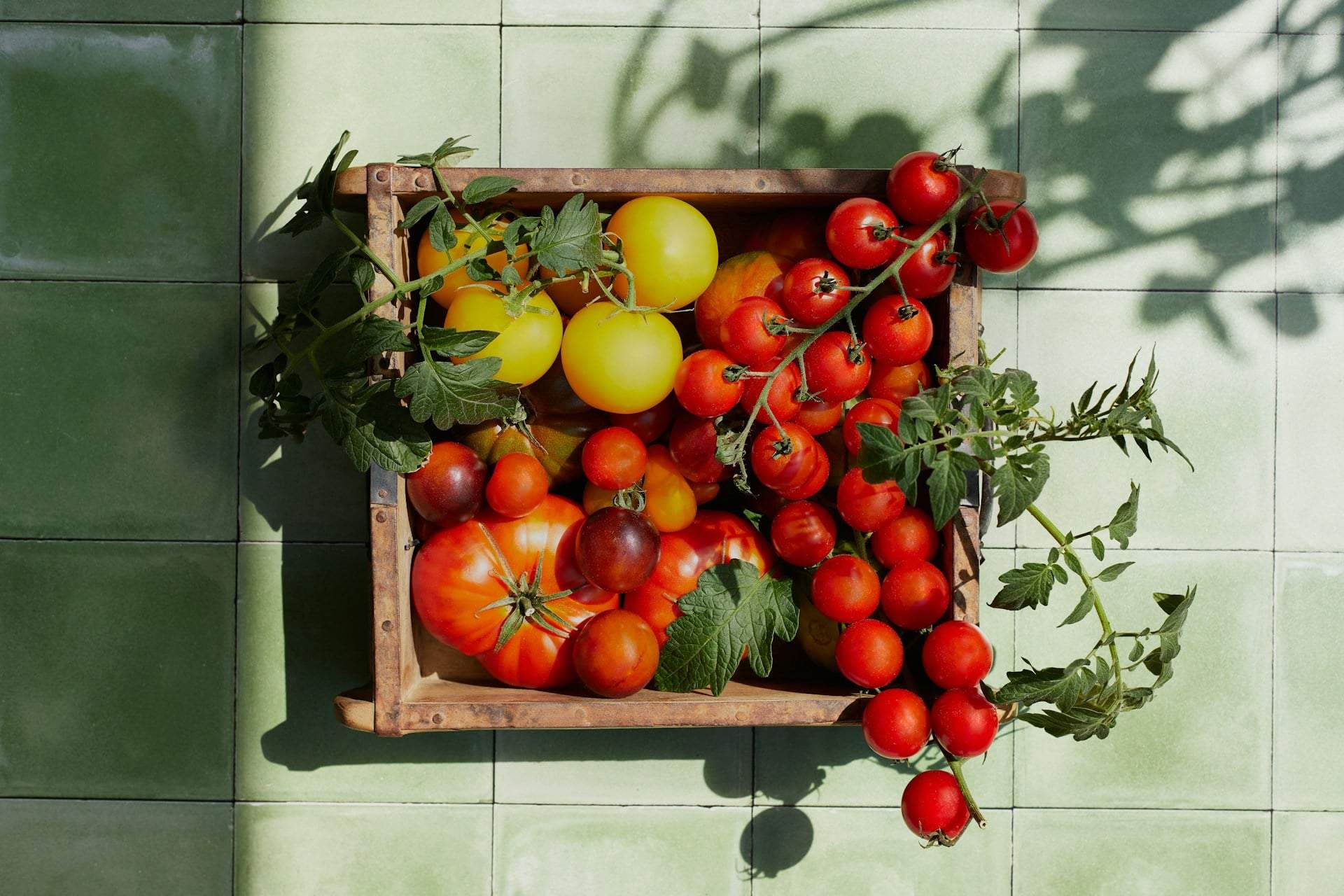
Eggs are happiest in the middle of the fridge in their own box rather than in the door, where the constant temperature swing and jostling do them no favours. Soft herbs like parsley, coriander and dill last far longer standing in a little water like a bouquet, loosely bagged, while hardy herbs such as thyme and rosemary do fine wrapped in a damp cloth. Tomatoes are the exception to all of this: cold flattens their flavour and turns the texture mealy, so keep them on the counter out of direct sun and only refrigerate ones that are about to tip over into overripe.
How often should I actually clean out the fridge?
A five-minute pass once a week, ideally the evening before your big shop, is worth more than a two-hour deep clean twice a year. Pull everything from the front, check dates, move candidates into the eat-me-first box, and wipe the shelf you can reach with warm soapy water. Do a proper empty-and-scrub every couple of months, including the door seals with an old toothbrush, because a sticky seal lets warm air in and quietly shortens the life of everything inside.