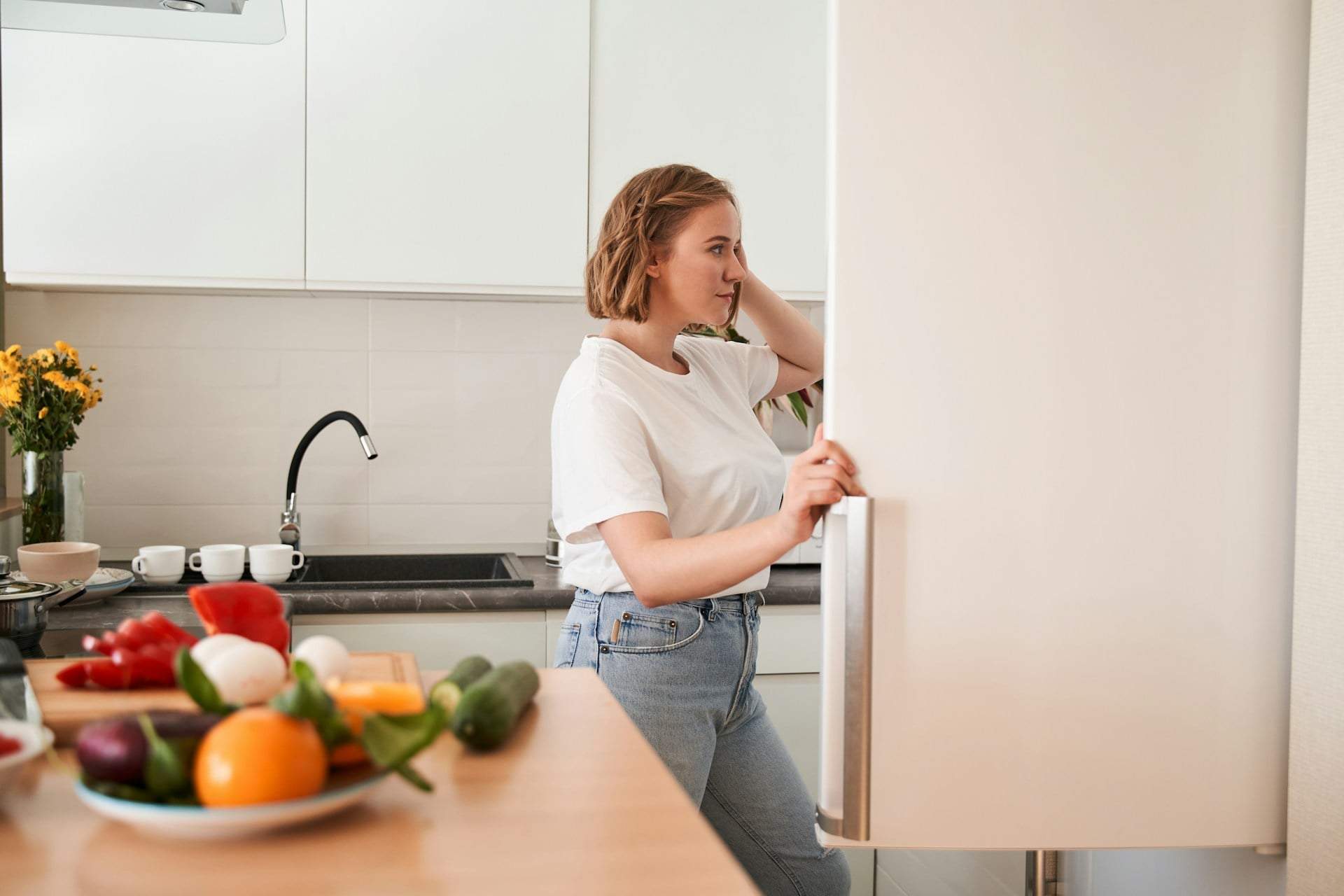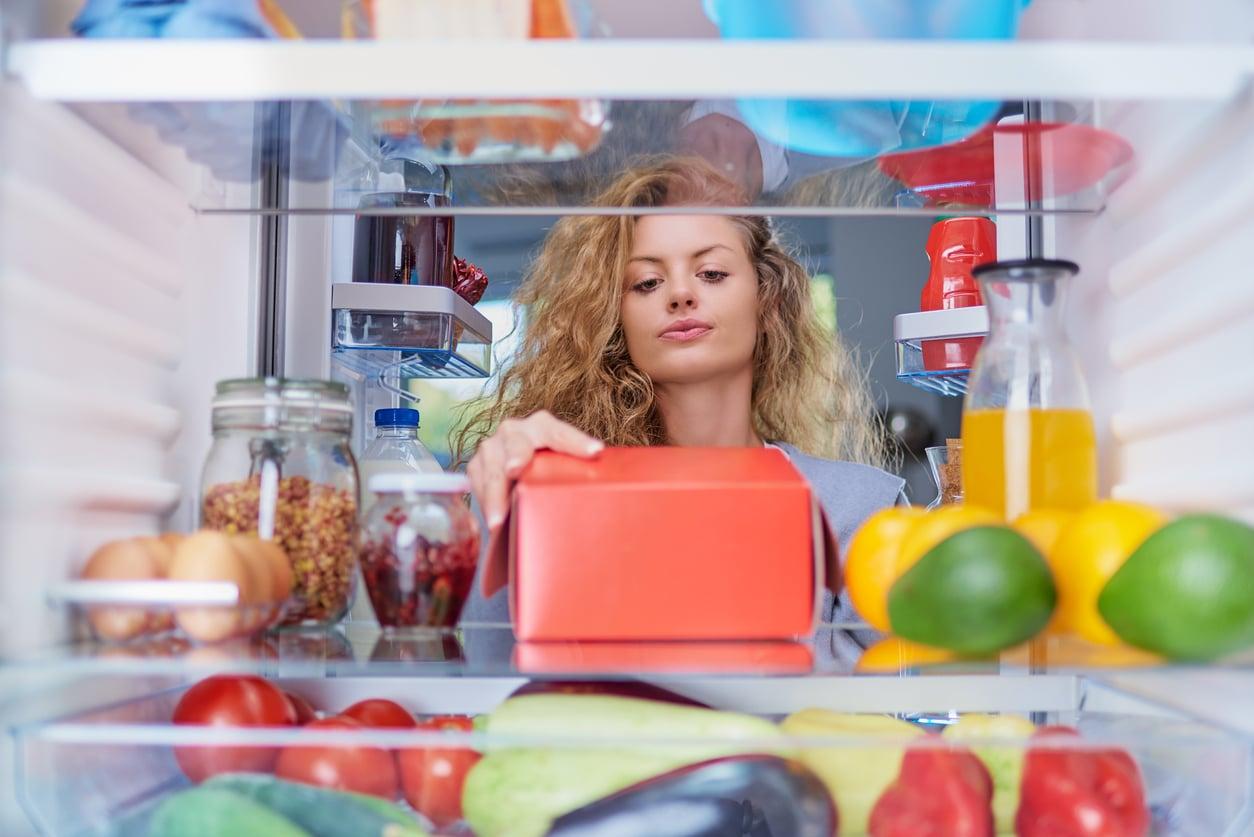
There's a moment in every kitchen when you open the fridge door and that smell hits you — the one that tells you something has gone bad. But here's the twist: it might not be your groceries that failed you. It might be the way you put everything back.
Your fridge isn't a single, evenly chilled box. It's a collection of zones with surprisingly different temperatures. Ignore that, and your food starts spoiling long before it should.
Your fridge is not the same temperature everywhere
The coldest area is usually the back wall and the lower shelves, because cold air naturally sinks. The inside of the door, on the other hand, is the warmest zone — it's the first thing room-temperature air reaches every time you open up.
That means anything stored in the door is exposed to far bigger temperature swings than the rest of the fridge. And those swings are exactly what shortens the life of your food.
1. Dairy does not belong in the door
Out of habit, a lot of us stash the milk, butter and yogurt on the door shelves — which is exactly where the temperature is most unstable.
Dairy belongs inside the fridge, ideally on the colder shelves toward the back. Save the door for things that keep well anyway, like sauces, jams and drinks.
2. Meat and fish go on the bottom shelf
Raw meat and fish should always go on the lowest shelf. Partly because the air is coldest there, and partly because if anything drips, it won't contaminate the food below it.
Keep them in a sealed container or at least on a tray to avoid cross-contamination.
3. Fruits and vegetables deserve their own drawer
Those pull-out drawers at the bottom of the fridge aren't there by accident. Their humidity level is different from the rest of the fridge, and that's exactly what fruits and vegetables need to stay crisp instead of wilting early.
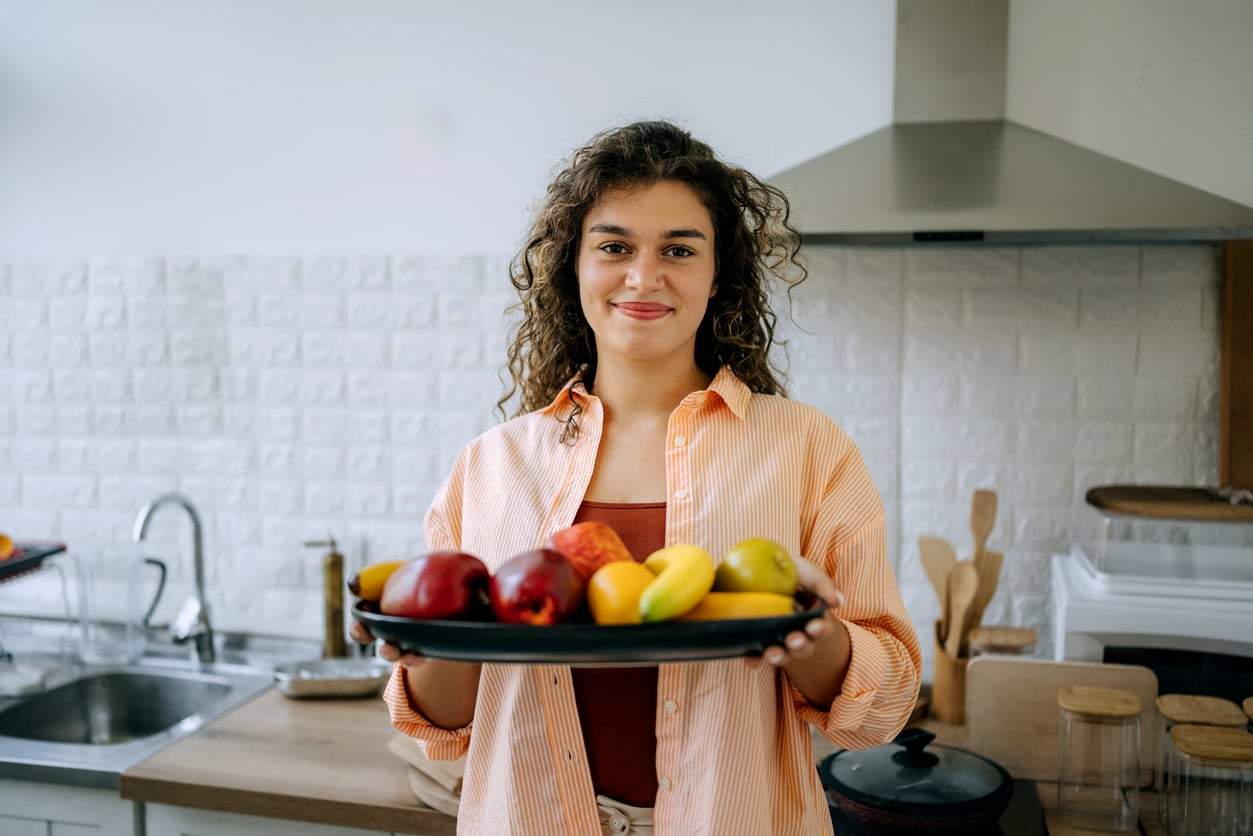
It's worth separating ethylene-producing fruits like apples and bananas from everything else. That gas speeds up the ripening — and the spoiling — of nearby vegetables.
4. Leftovers and eggs belong on the middle shelves
The middle section keeps a fairly steady temperature, which makes it the right home for cooked food, leftovers in sealed containers, and eggs too — as long as you keep them out of the door, where temperature swings can spoil them faster.
Important: never put hot food straight into the fridge. Let it cool to room temperature first, or the whole fridge warms up for a while.
5. Don't cram the shelves full
If the fridge is so packed that cold air can't circulate freely between the shelves, you end up with pockets where the air stays warmer — and the food stored there spoils faster.
Leave a little space between items, even if it means fitting slightly less in at once. Your food will thank you for it.
6. Keep an eye on the temperature
In many homes, the temperature dial has been set to the same position for years, with no one ever checking whether it actually delivers the right temperature.
It's worth checking now and then with a fridge thermometer to make sure the interior sits in the right range. Even a few degrees warmer than it should be can dramatically cut how long your food lasts.
A little attention pays off over time
You don't have to overhaul your entire kitchen routine overnight. Just be a little more deliberate next time you unpack the groceries and think about where each thing goes.
The logic of the shelves isn't complicated — we just rarely talk about it. Once it becomes second nature, you'll automatically put the milk, meat and salad in the right spot, and you'll probably find yourself throwing out far less spoiled food.
Where should milk go in the fridge?
Keep milk inside the fridge on the colder shelves toward the back, not in the door. The door is the warmest zone, where temperature swings can spoil dairy faster.
Why shouldn't you put hot food straight in the fridge?
Placing hot food directly in the fridge raises the temperature inside for a while, which can affect everything else stored there. Let it cool to room temperature first.
Where is the coldest part of the fridge?
The coldest areas are usually the back wall and the lower shelves, because cold air sinks. That's why raw meat and fish belong on the bottom shelf.
Why does a packed fridge spoil food faster?
When the fridge is too full, cold air can't circulate freely, creating warmer pockets between the shelves. Food stored in those spots spoils more quickly, so leave a little space between items.