It feels like a smart move, especially in summer: pop the bread in the fridge so it doesn't go bad. The truth is, the refrigerator is one of the worst places you can store a loaf — and there's solid science behind why.
Why bread goes stale faster in the fridge
Bread's texture depends on starch. During baking, starch molecules absorb moisture and swell up, giving bread its soft, pillowy crumb. As the loaf cools, those molecules slowly begin to recrystallize — a process called starch retrogradation. The problem? Fridge temperatures (around 35–40°F / 2–4°C) are precisely the range where this process kicks into overdrive.
At room temperature, retrogradation happens gradually. In the fridge, it races ahead, turning your loaf dense and crumbly in a matter of hours. On top of that, refrigerators pull moisture from the air to keep stored food from going moldy. Your bread acts like a sponge in this dry environment, losing its own moisture rapidly. The result is a strange combination: a crust that feels dried out and a crumb that turns rubbery and stiff.
So where should you actually store bread?
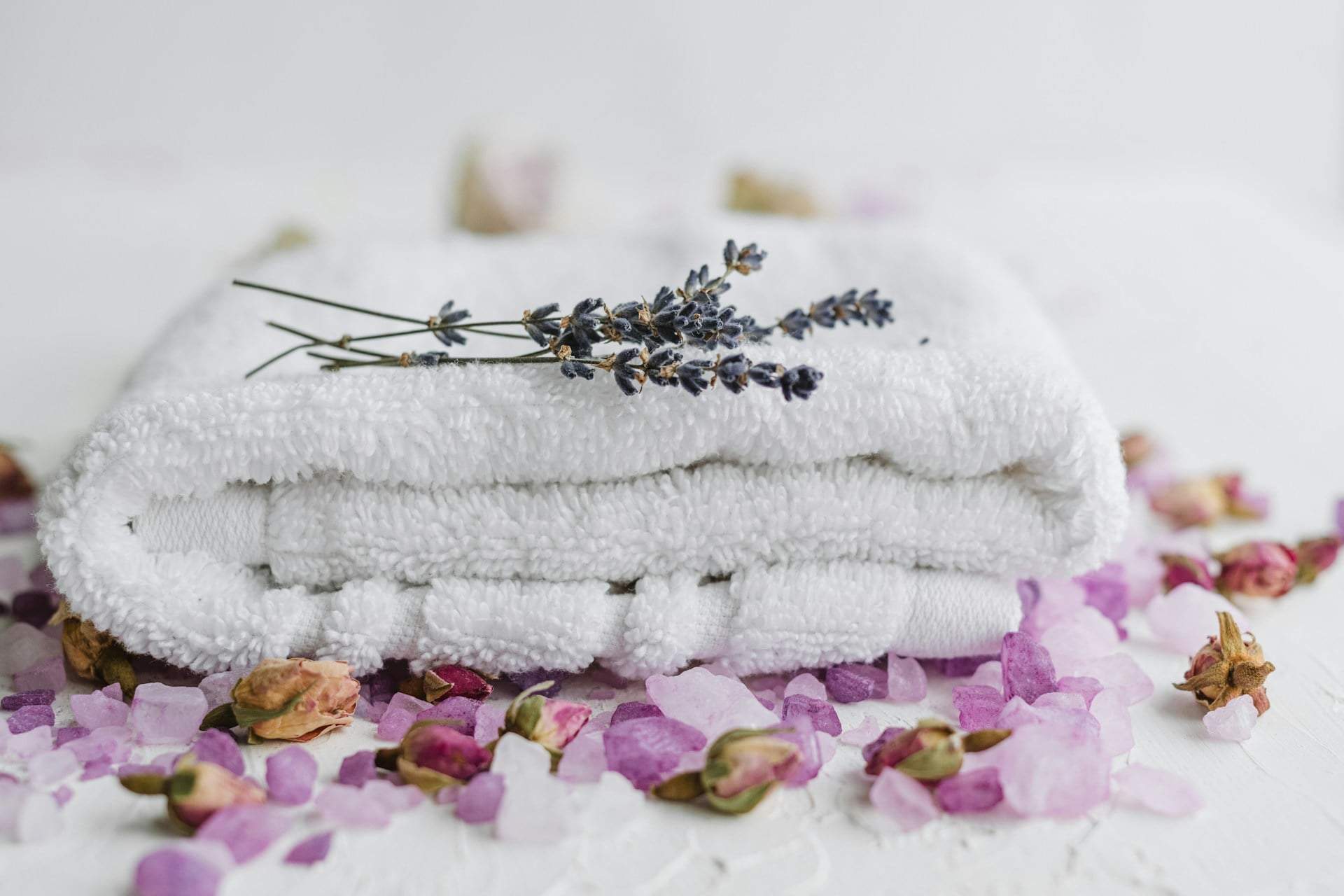
The best option is a ventilated bread box or a cotton bread bag — a clean linen towel wrapped around the loaf works well too. The goal is to allow just enough airflow to prevent moisture buildup, without letting the bread dry out completely. Avoid sealing bread in a plastic bag for more than a day or two: the trapped humidity creates the perfect conditions for mold to grow.
If your kitchen runs warm in summer, find a cool, shaded spot away from the stove and direct sunlight. A stable, room-temperature environment is ideal — fluctuating heat speeds up staleness just as much as the fridge does.
Looking for the right gear? A well-made bread storage bag can make a real difference in how long your loaf stays fresh.
When the fridge actually makes sense
There are situations where refrigerating bread is the lesser evil. If your kitchen is both very hot and very humid, a loaf left on the counter might grow mold within a day or two. In that case, the fridge can buy you a little extra time — but store the bread in an airtight container or sealed bag to slow down moisture loss. Just go in knowing the texture will be firmer by the next morning.
If that happens, don't throw the loaf away. Sprinkle it lightly with water, wrap it in aluminum foil, and warm it in a hot oven for a few minutes. It often recovers much of its original softness — at least enough for one good meal.
Freezing: the real long-term solution
If you've bought or baked more bread than you can eat in a couple of days, freezing is far superior to refrigerating. When bread is frozen, starch retrogradation essentially stops, and the loaf can hold onto its original texture for several weeks.
Slice it before freezing, seal it in an airtight bag, and after thawing — or a quick run through the toaster or oven — it tastes nearly fresh-baked.
Freezing sliced also means you only defrost what you need. The rest stays perfectly preserved in the freezer without going through repeated thaw-and-refreeze cycles.
Small habits that keep bread fresher, longer
- Buy only what you'll eat within a few days. The freshness problem largely solves itself.
- Store the loaf cut-side down on a board or in the bread box — it slows moisture loss at the exposed surface.
- Sourdough and crusty artisan loaves handle room temperature much better than soft, sandwich-style breads.
- If the crust has gone too hard, dampen it lightly with water and warm it in the oven for a few minutes to bring back the crunch and soften the crumb again.
The fridge is brilliant for most things — bread just isn't one of them. A good bread box, a little attention to portion size, and your freezer for anything extra: that's really all it takes.
Does bread really go stale faster in the fridge?
Yes. Fridge temperatures accelerate starch retrogradation, the process that makes bread dense and crumbly. Bread stored at room temperature in a ventilated container stays softer for significantly longer.
What is the best container for storing bread at room temperature?
A ventilated bread box or a cotton or linen bread bag works best. Both allow a little airflow while protecting the loaf from drying out too quickly. Avoid airtight plastic bags for more than a day or two, as trapped moisture encourages mold.
Can you revive bread that has gone stale in the fridge?
Often, yes. Sprinkle the loaf lightly with water, wrap it in aluminum foil, and heat it in a hot oven for a few minutes. This restores much of the original softness, at least for the next meal.
How long does bread last in the freezer?
Properly sealed in an airtight bag, sliced bread can keep its quality in the freezer for several weeks. Thaw only what you need and warm it in the toaster or oven for best results.