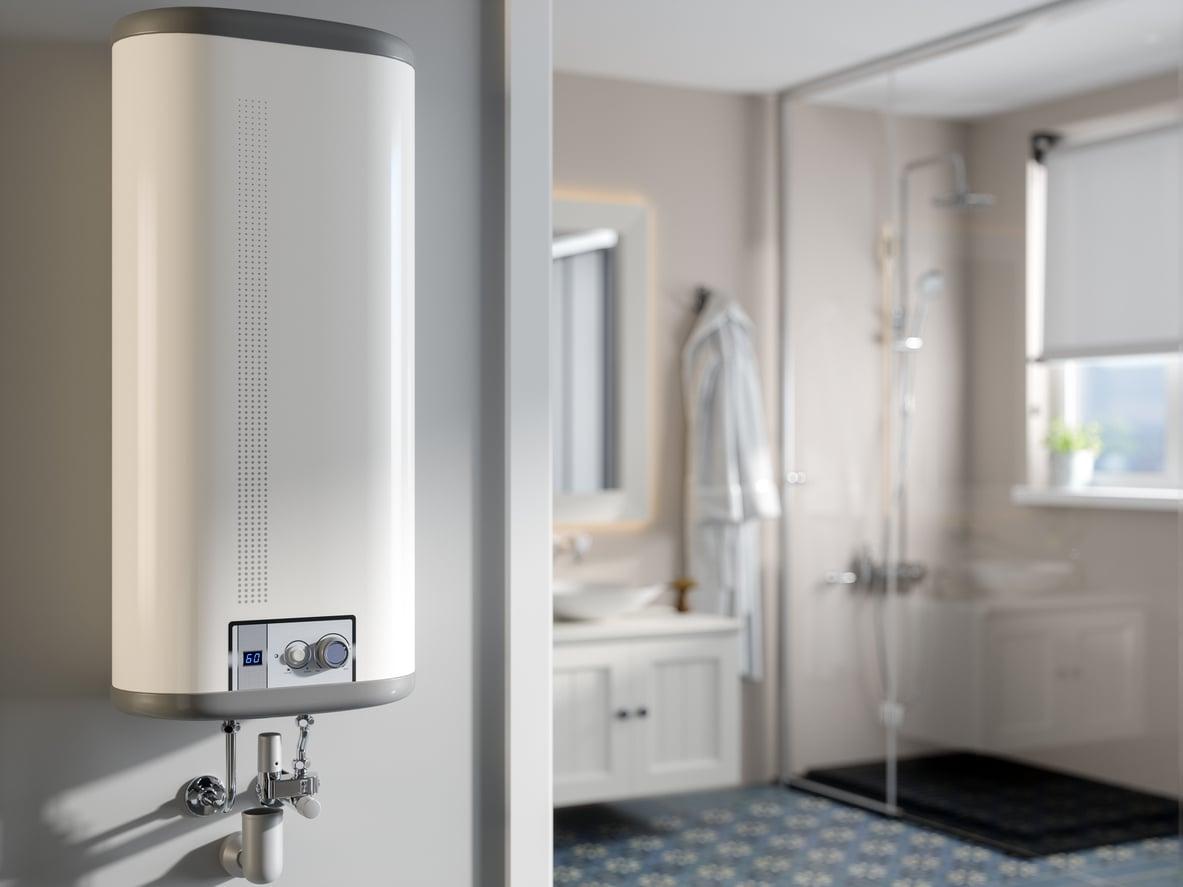
It feels like a no-brainer: if the heater isn't running, it isn't burning electricity. Every morning you flip it off, every evening you flip it back on before your shower — and you feel virtuous doing it.
But the reality is a little more complicated. In fact, you might be saving the exact opposite of what you think.
How a water heater actually holds its heat
Modern water heaters are well insulated, so the temperature of the water doesn't drop dramatically over a few idle hours. The energy it uses isn't constant — it works in bursts.
When the water cools below a set point, the thermostat switches the heating element on, warms the tank back up to your chosen temperature, then shuts off again. This so-called standby phase uses relatively little energy, because it only has to replace the small amount of heat that's been lost — not reheat the entire tank from cold.
Why constant reheating costs more than you'd expect
When you switch the heater off during the day, the water slowly cools, because no insulation is perfect. By the time you turn it back on in the evening, the element has to close a far bigger temperature gap than it would if it were simply topping up normal heat loss.
That reheating spike swallows a lot of energy in a short burst — often as much as the standby mode would have quietly used across the whole day. In many cases these two effects roughly cancel each other out. The savings you were hoping for turn out to be much smaller on paper than they feel.
A water heater doesn't cost a fortune because it's switched on — it costs money based on how much cold water it has to reheat, over and over again.
When switching it off really does pay off
There is one situation where turning it off genuinely matters: when you won't be using hot water for a longer stretch — a full weekend away, or a longer summer trip.
Over several days, constantly replacing lost heat really does add up to more than a single reheating cycle when you get home. So it's not the daily on-off rhythm that helps — it's the days-long idle period that makes switching off worthwhile.
What to check if you still want to save
- Set a sensible temperature. A hotter setting than you actually need means wasted heat loss, even if you rarely turn on the tap.
- Inspect the pipes around the tank. If they're uninsulated, hot water loses heat on its way to the faucet — and that's the real hidden loss, not the fact that the heater is switched on.
- Use a lower summer setting if your unit offers one. In summer the incoming mains water is already warmer, so less heating is needed to begin with.
- Watch your own habits. If you typically shower only morning and evening, leaving it running is often cheaper than switching it off and on twice a day.
The maintenance that actually moves the needle
Limescale buildup on the heating element has a far bigger impact on your bill than whether you switch the unit off for a few hours during the day. A scaled-up element takes longer to warm the same amount of water, which over time weighs on your costs far more than any worrying over on-off switching.
A regular service, ideally done by a professional, brings a much more noticeable difference than reshuffling your daily routine ever will.
Does turning the water heater off every day actually save money?
Usually not much. The water cools while it's off, so the element has to work harder to reheat it later — which often cancels out the savings from the idle hours.
When is it worth switching the heater off?
When you won't use hot water for a longer period, such as a full weekend away or a longer trip. Over several days, avoiding constant heat loss genuinely outweighs a single reheating cycle when you return.
What wastes more energy than daily switching?
Limescale on the heating element and uninsulated pipes around the tank. Both quietly add to your bill far more than a few hours of standby mode ever would.
Should I lower the temperature in summer?
Yes, if your unit allows it. Incoming mains water is warmer in summer, so a lower setting still gives you comfortable hot water while cutting unnecessary heat loss.