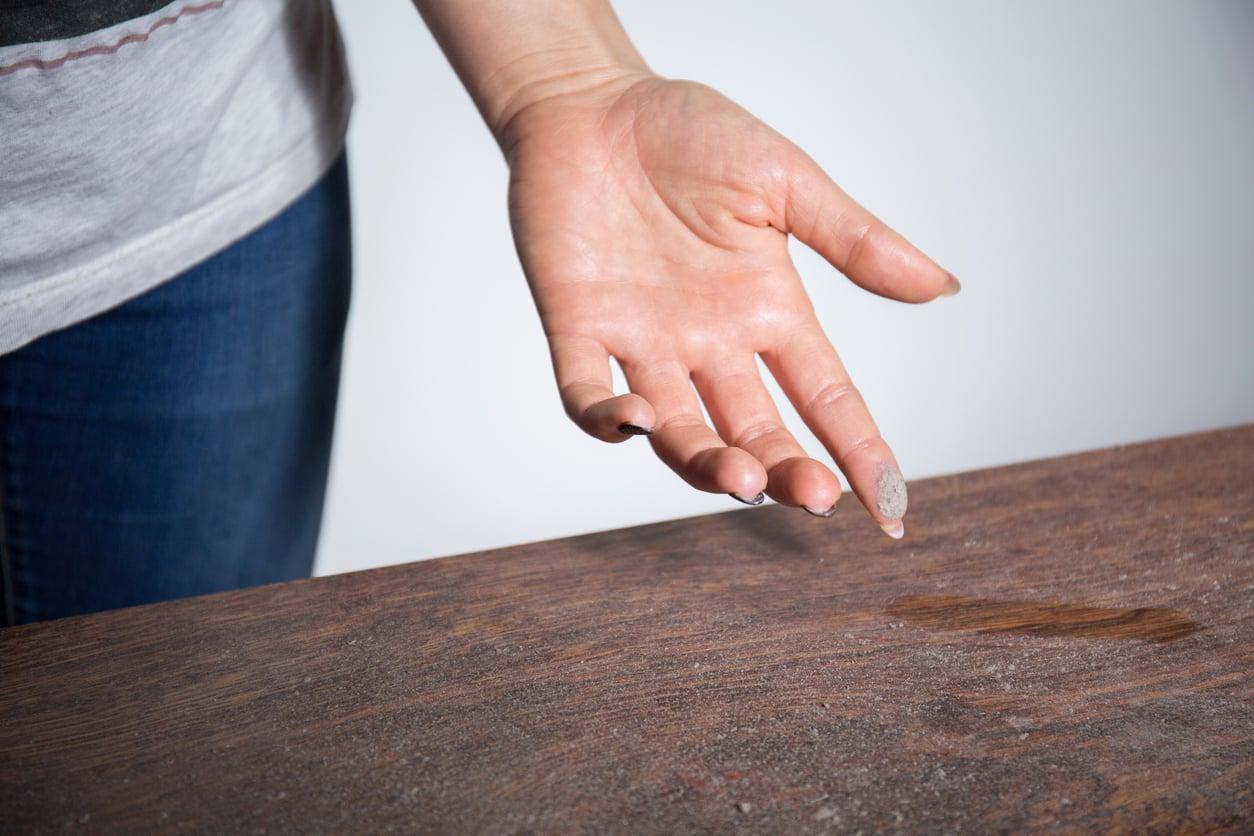
You know that satisfying Sunday afternoon moment? You step back in the living room and admire the freshly mopped floor, the dusted shelves, the gleaming TV. Then Tuesday morning you walk into the same room, run a finger across the dresser, and there it is again — that soft, grey film, as if you'd never touched it.
This isn't your imagination, and it doesn't mean you're cleaning badly. Dust simply keeps returning through certain paths and surfaces we never think about while we clean.
Plastic surfaces act like dust magnets
The back of your TV, the frame of a monitor, the edges of plastic shelves, even the surface of kids' toys build up tiny amounts of static electricity — especially in heating season, when the air is drier. That charge literally pulls floating dust particles toward it, like a magnet.
That's exactly why these surfaces seem to get dirty the fastest, while wooden furniture and textiles take longer to gather a fresh layer.
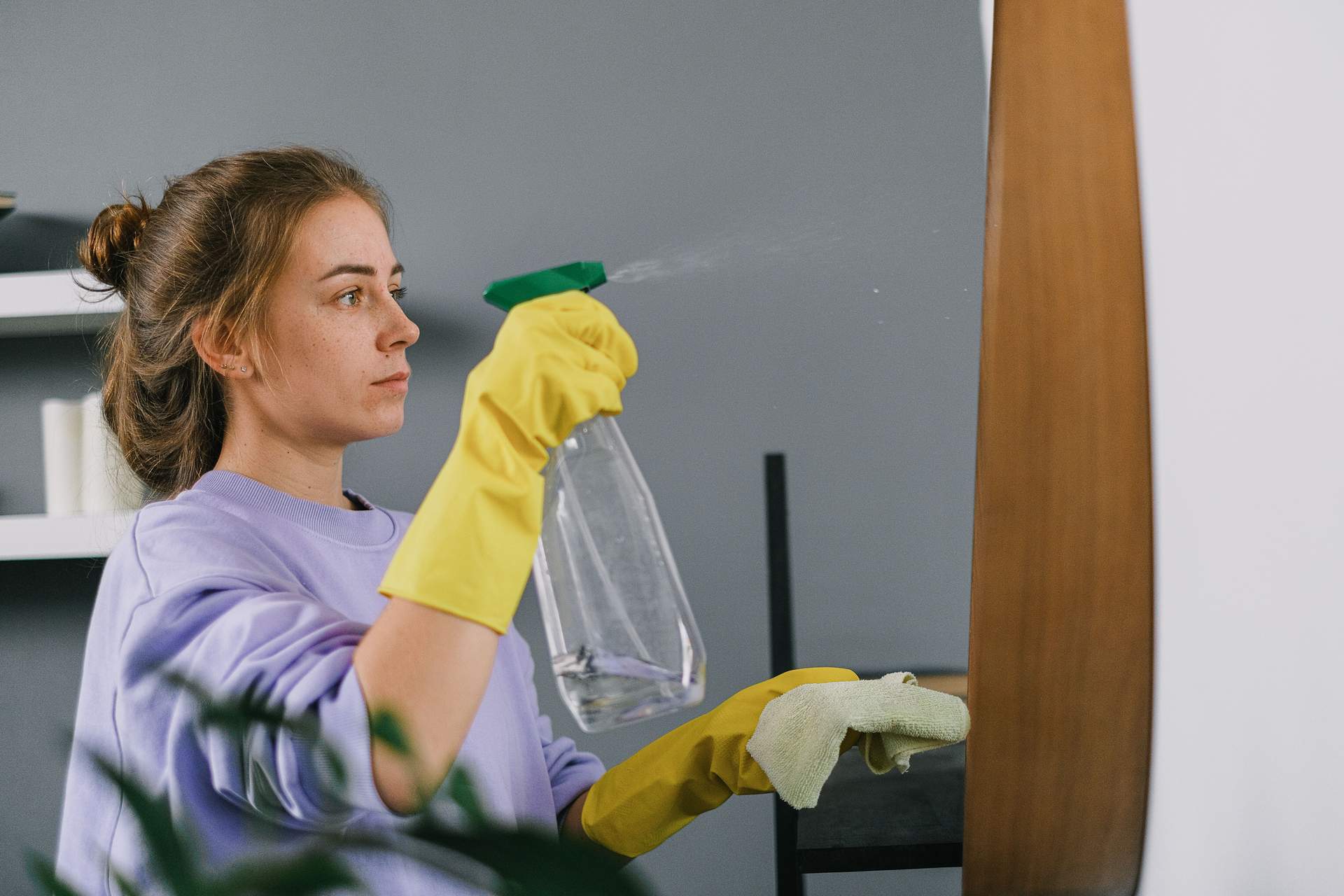
To cut this down, wipe these surfaces every so often with a slightly damp microfibre cloth instead of a dry one. A dry cloth often just smears the dust around and recharges the surface, solving nothing for long.
Open shelves are invisible air corridors
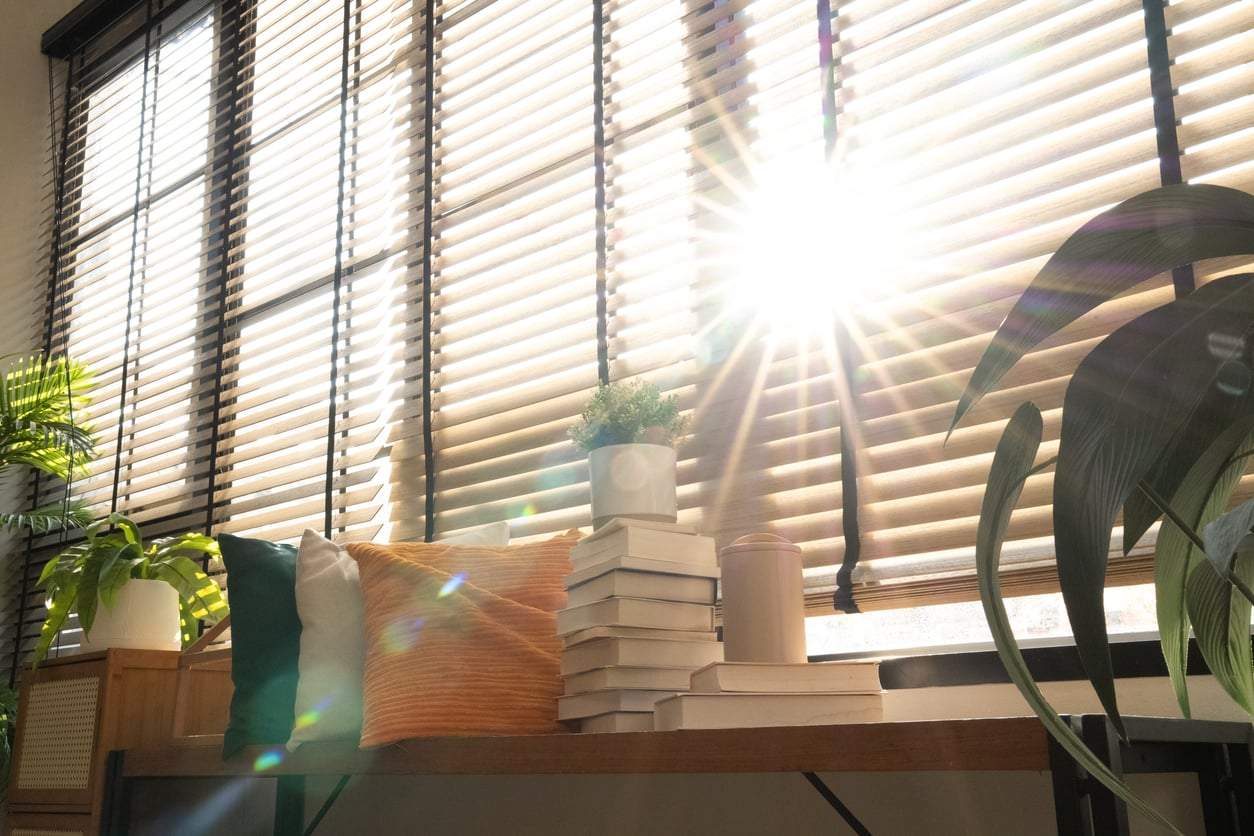
Open shelving units, bookcases and decorative corners aren't just easy on the eyes — they're also genuine air-flow corridors.
The air in a room is constantly moving, even when you can't feel it, and these open surfaces are exactly where airborne dust settles before it drifts on.
You don't have to give up open shelves, but it's worth rethinking what goes on them. When objects are packed tightly side by side, they're harder to reach and dust can hide behind them for weeks. With looser, easy-to-move pieces, your weekly wipe-down is faster and far more effective.
The ventilation system we almost never think about
In most homes, the air vents, the extractor-hood grille and the air conditioner filter go untouched for months, sometimes years.
But these are exactly the points that keep the air moving through your home. If a thick layer of dust is already sitting on a filter or grille, it gets blown straight back into the room every single time the system kicks in.
This is one of the main reasons that, even after you dust everything on the weekend, the dust circulating in the air resettles on your furniture within a few days.
It's worth periodically removing and rinsing the vent grilles, and checking the filter on your AC or extractor hood. This step is often left out of the routine, yet it has a huge impact on how effective your cleaning actually is.
The order you clean in matters too
A lot of people work from the bottom up, when the reverse makes far more sense. Dust the higher surfaces, shelves and lampshades first, and only then do the floor — because some of the dust you stir up will drift downward anyway.
Do it the other way around and everything you disturbed up top lands right back on the floor you just mopped, making it feel like your work barely counted.
The textiles we always forget
Your curtains, upholstered furniture and rugs are constantly releasing dust particles and picking new ones back up from the air. If you only vacuum or air them out rarely, the dust stored inside keeps feeding back into your home's air — and from there, straight onto your furniture.
Regular, thorough vacuuming of these surfaces is every bit as important as wiping down the furniture.
Why does dust come back so quickly after cleaning?
Because it keeps circulating through paths we overlook — plastic surfaces that hold static, open shelves that catch airborne particles, dusty vents that blow it back into the room, and textiles that constantly release and reabsorb it.
What's the best cloth for dusting plastic surfaces?
A slightly damp microfibre cloth. A dry cloth tends to just smear the dust and recharge the static, so the surface attracts particles again almost immediately.
Should I clean top to bottom or bottom to top?
Top to bottom. Dust the higher surfaces and lampshades first, then finish with the floor, so the dust you stir up doesn't fall onto an area you've already cleaned.
Why do curtains and rugs make dust worse?
Textiles constantly release and reabsorb dust particles. If they're rarely vacuumed or aired out, the dust stored in them keeps returning to the air and settling back on your furniture.