There is a specific meal I chase every August: something eaten slightly too late, with cold wine or cold lemonade, bread torn rather than sliced, and shells or lemon halves piling up on the table. In my head it happens on a harbour wall. In reality it happens on a balcony with the neighbours' television audible through the wall, and it is made almost entirely from the freezer and the tinned aisle. It tastes the same. Possibly better, because nobody had to book anything.
Expensive shellfish has taken over our idea of a seafood supper, which is a shame, because the cheaper end of the fish counter is where the flavour actually lives. What follows is how I build that meal without spending like a special occasion.
Shop the freezer and the tins, not the display case
Frozen raw prawns are the workhorse. They defrost in a bowl of cold water in the time it takes to make a dressing, they are almost impossible to buy badly, and cooking them from raw rather than reheating pre-cooked ones is the whole difference between sweet and rubbery. Buy them shell-on if you can be bothered peeling; the shells make a five-minute stock that lifts a rice dish or a soup.
Then look for brown crab meat in a tub or a tin — the darker, richer stuff that costs a fraction of white meat and carries far more flavour. Mussels are the other bargain: a bag of them feeds two generously and cooks in the time it takes to toast bread. And keep a shelf of good tinned sardines, mackerel and anchovies, which are seafood supper in their own right the moment you add tomato, lemon or vinegar.
Three assemblies that behave like recipes
First, the roll. Mix cooked, chopped prawns with a spoonful of brown crab meat, mayonnaise loosened with lemon juice, a good pinch of finely chopped chives or spring onion, black pepper, and a whisper of something warm — cayenne, or the tiniest dab of mustard. Pile it into a split, buttered and lightly toasted brioche or soft roll with shredded lettuce underneath for crunch. Chill the filling for twenty minutes first; cold filling in a warm bun is the entire point.
Second, mussels in cider. Scrub the shells and discard any that stay open when tapped. Soften chopped shallot in butter, pour in a splash of dry cider, tip in the mussels, lid on, high heat, two to four minutes until they open. Discard any that stubbornly refuse to. Finish with cream or a handful of parsley and eat with bread for the broth, which is the best part.
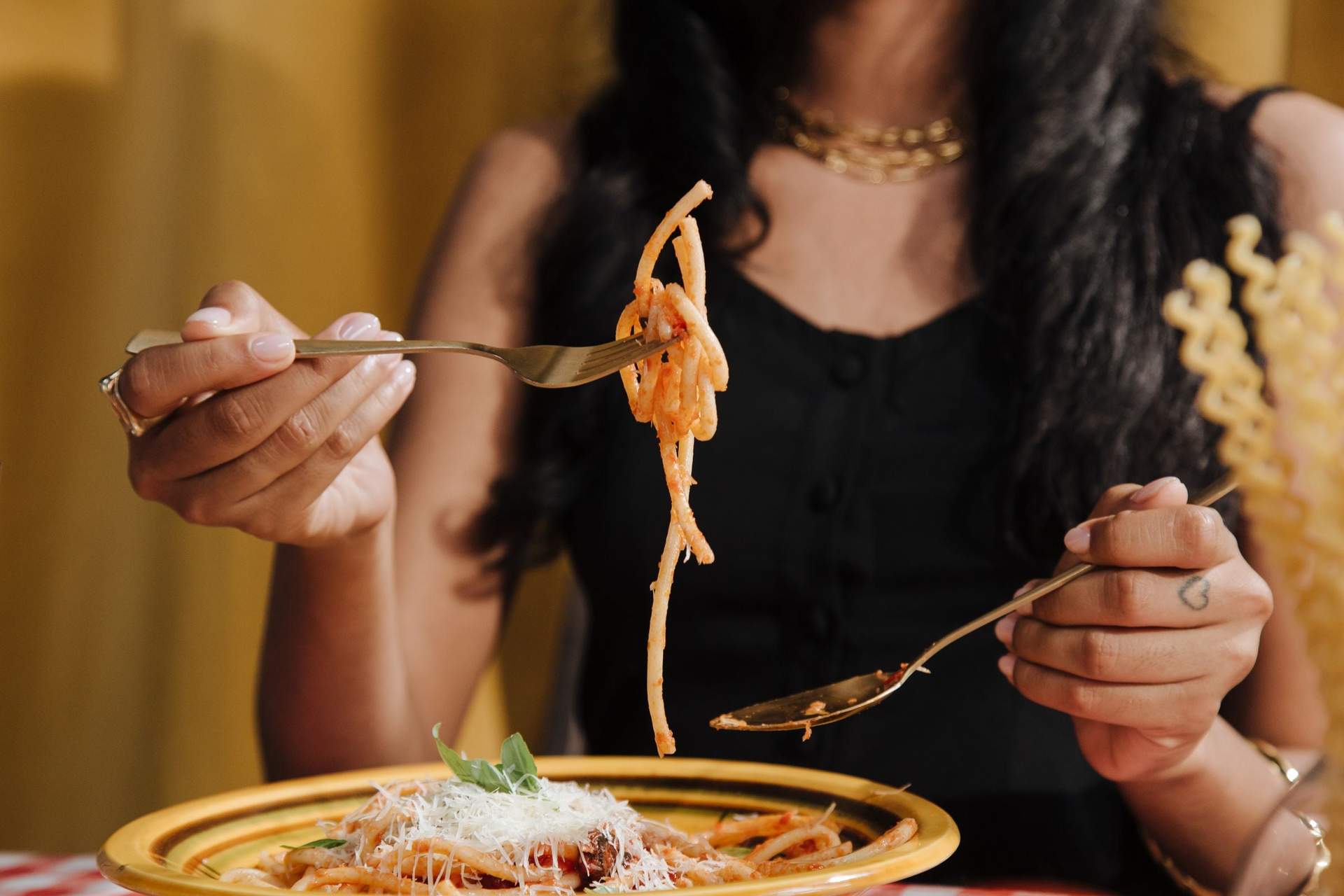
Third, the store-cupboard pasta. Warm anchovies or tinned mackerel in olive oil with garlic and chilli until they collapse, add halved cherry tomatoes and let them slump, then toss with spaghetti, lemon zest and toasted breadcrumbs. Fifteen minutes, no shopping, and it tastes distinctly Mediterranean.
The four things that make cheap seafood taste expensive
Acid, fat, salt and cold. Every seafood dish I make gets lemon or vinegar at the end, real butter or good olive oil somewhere, more salt than I expect to need, and — for anything served cold — proper time in the fridge. Add herbs generously rather than decoratively: parsley, dill, chives and fennel fronds all belong here.
Serve it as a table rather than a plate. Bread, a bowl of tomatoes with salt, something pickled, and a lemon cut into wedges will turn one modest bowl of prawns into a meal that people remember. That is the holiday feeling, and it has almost nothing to do with the price of the shellfish.
Is frozen seafood as good as fresh?
For most of us, honestly, yes — and often better. Prawns and white fish are frequently frozen very soon after catching, whereas the "fresh" ones on display may have been defrosted for you and are then on a much shorter clock. Defrost in the fridge overnight or in cold water, pat thoroughly dry before cooking so it sears rather than steams, and never refreeze it.
How do I know if the prawns or crab I'm buying are any good?
Trust your nose and your eyes more than the label. Raw prawns should look glossy and translucent with firm shells and smell of clean sea, never of ammonia; crab meat should smell sweet and mild. If you are buying mussels, they should be tightly closed or close when tapped, be stored cold and loose rather than sitting in water, and be cooked the day you bring them home.