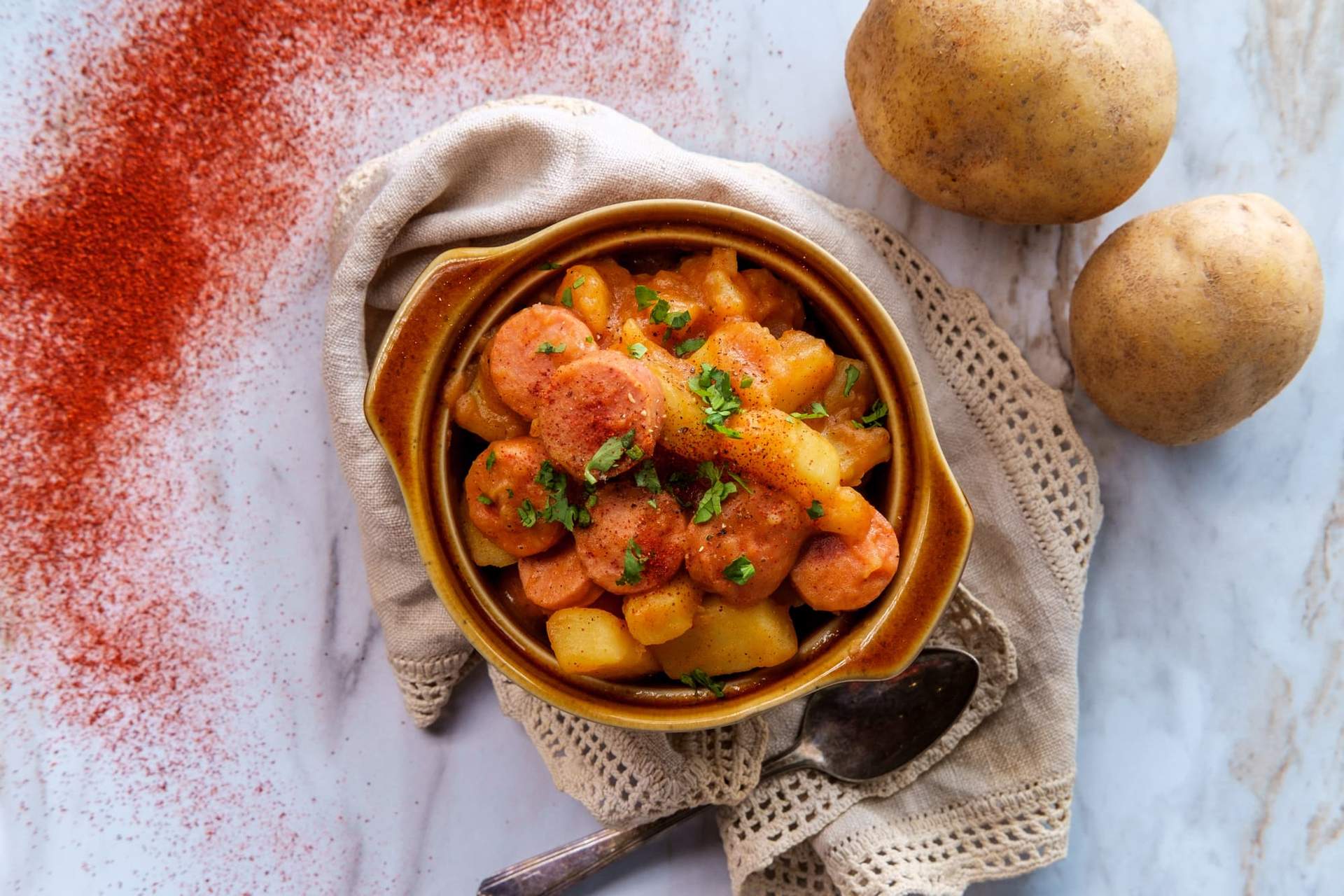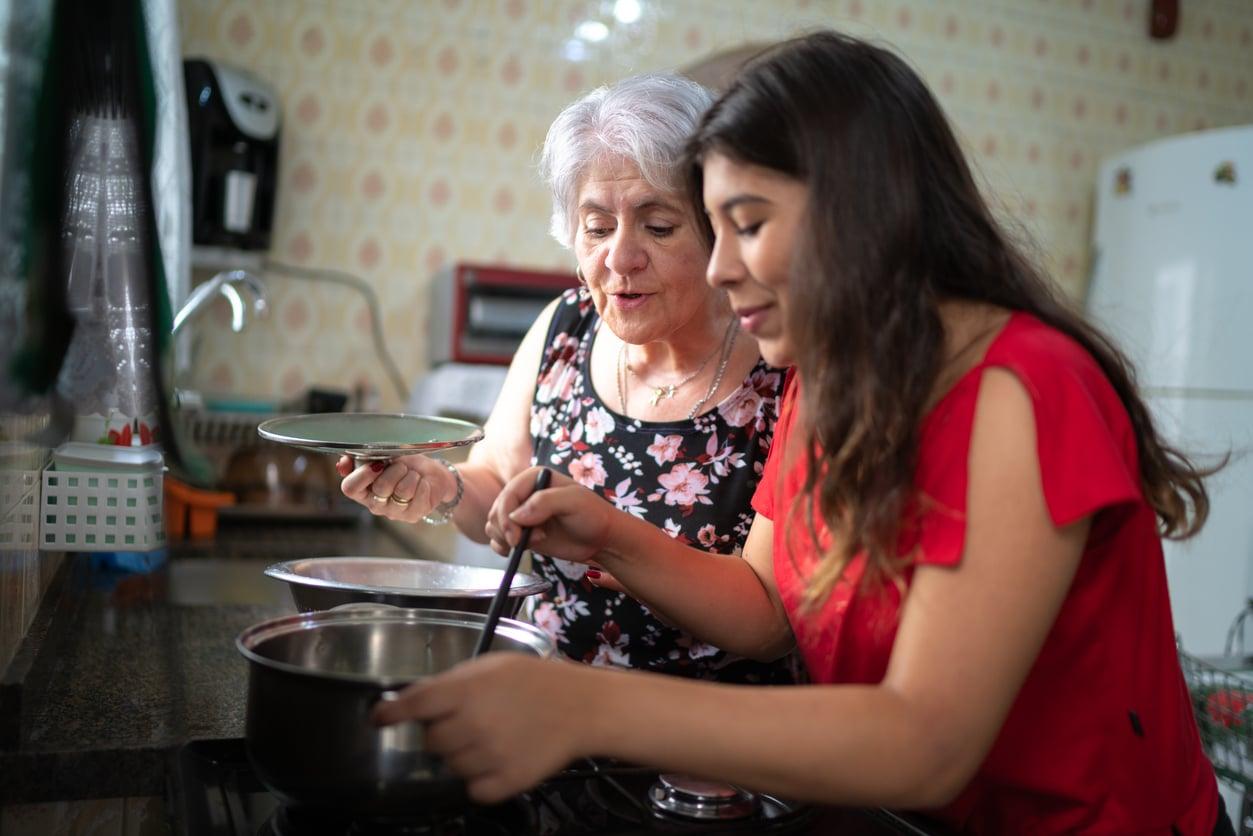
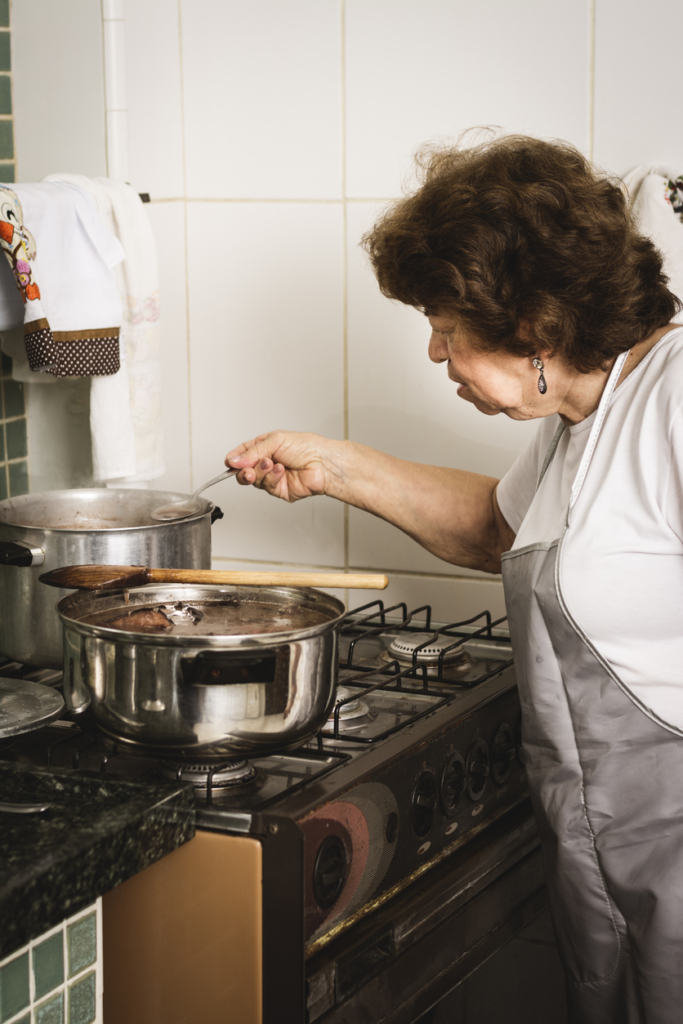
There was always a small red tin sitting on her kitchen table — half-empty, its lid sticky from years of use. Nobody would have guessed it was my grandmother's secret weapon for her Sunday pörkölt. When I finally asked her why she always reached for the cocoa powder, she just smiled and said, "It rounds out the flavor, sweetheart." She never explained further, and for years, I never pushed.
Every week at the family table, everyone marveled at her sauce — thick, glossy, and carrying a depth that no other version of the dish ever quite matched. My mother tried to recreate it at home more times than I can count, always saying something was missing. Grandma would just stir her pot and smile, quietly delighted that nobody could crack her code.
One small spoonful of cocoa, and suddenly the stew tasted like it had been simmering for hours longer than it had.
When she finally revealed the trick, I was genuinely surprised. Unsweetened cocoa powder doesn't sweeten a dish when used in the right amount — instead, it adds depth. The cocoa butter and roasted cacao bean aromas blend seamlessly into the paprika base, lending the sauce a velvety, faintly smoky quality that's hard to put into words. It's actually not so different from the logic behind Mexican mole sauces, where chocolate has been used for centuries to enrich savory, spiced dishes.
Why cocoa actually works in a meat stew
Cocoa powder plays a dual role: it both thickens and flavors. The natural starch it contains gives the sauce a subtle boost in body, while its characteristically bitter, earthy aroma softens the sometimes sharp acidity of tomato and paprika. The result is a rounder, fuller flavor — the kind that makes guests say, "There's something different about this stew, but I can't figure out what it is."
How much did she actually use?
For a medium pot serving four to five people, my grandmother used exactly one level teaspoon of Dutch-process unsweetened cocoa powder — never more. She always said that if you overdo it, a faint sweetness creeps in, and that doesn't belong in a traditional savory stew. Crucially, she added the cocoa after the paprika, but before the liquid — letting the heat bloom its aroma in the fat for just a few seconds before it could turn bitter.
The exact moment to add it
Timing is everything. Once the onions are translucent and the meat has taken on the deep red of the paprika, that's your window: add the cocoa, let it sizzle in the fat for just a few seconds, then immediately pour in your water or stock. Add it too early and it loses its character; add it too late — dissolved directly into the liquid — and it won't infuse the meat the same way.
How to make sure it stays invisible
- Always use unsweetened cocoa powder — never instant hot chocolate mix.
- Stick to one level teaspoon for four to five servings — resist the urge to add more.
- Add the cocoa after the paprika but before the liquid, so it has time to bloom in the fat.
- It works best with beef or game — the deeper the meat's flavor, the more the cocoa can shine.
Now, whenever I make this stew in my own kitchen, that teaspoon is always within reach. Sometimes I catch myself drifting into thought as I stir, wondering how many small secrets like this one families have passed down through generations — never written down anywhere, just quietly carried from one kitchen to the next.
Can you actually taste the cocoa in the stew?
No — when used in the right amount, cocoa powder is completely undetectable as a distinct flavor. It works in the background, adding depth and roundness without making the dish taste like chocolate.
What type of cocoa powder should you use?
Dutch-process unsweetened cocoa powder works best because it has a smoother, less acidic profile that blends naturally into the paprika base. Avoid sweetened cocoa blends or instant drink mixes entirely.
Does this trick work with other stews or braises?
Yes — the same principle applies to any rich, slow-cooked meat dish, particularly those made with beef, lamb, or game. The deeper the meat's natural flavor, the more effectively cocoa enhances it.
When exactly should you add the cocoa powder?
Add it after the paprika has gone in but before you pour any liquid into the pot. Give it just a few seconds in the hot fat to bloom, then immediately add your water or stock to prevent it from turning bitter.