The glossy packaging of exotic superfoods is hard to resist — but the real nutritional powerhouses are closer than you think. Your local farmers' market this autumn is stacked with vegetables that most people walk right past, and that's a serious missed opportunity.
Here are 10 seasonal vegetables worth adding to your shopping basket before the season is over.
Turnip
This old-school root vegetable delivers a satisfying combination of peppery bite and gentle sweetness. When picking them out, always choose ones that feel surprisingly heavy for their size — that density is a sign of crunch and juiciness.
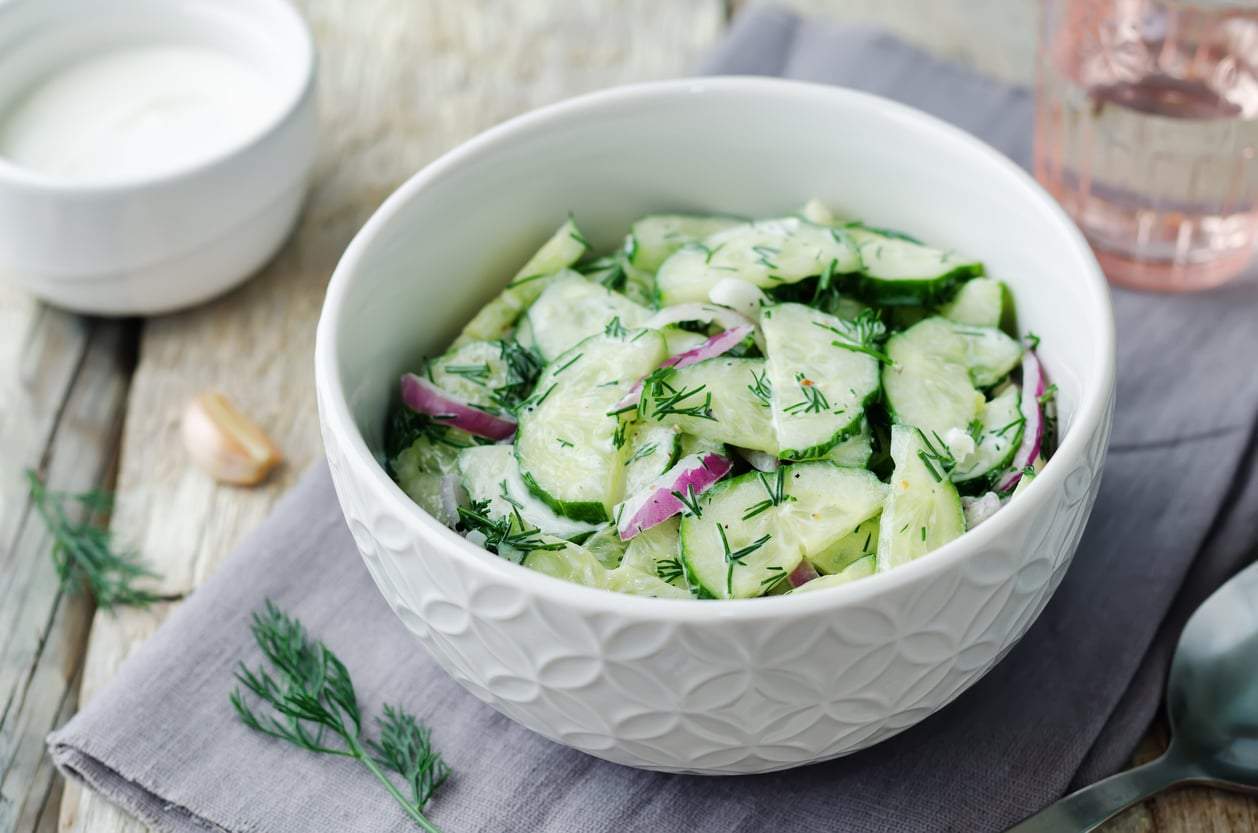
Grated raw and stirred into a little sour cream or yogurt, it makes a wonderfully refreshing side dish alongside heavier autumn meals.
Swiss chard
Heat is the enemy of Swiss chard — high temperatures cause it to turn unpleasantly bitter and dull. Cooler months are when it truly shines. Its vivid, almost theatrical colors make it one of the most striking vegetables in any kitchen, and virtually every part of it is usable.
It pairs beautifully with garlic and cream, and works wonderfully as a savory pie filling.
Jerusalem artichoke
Jerusalem artichokes come into their own once temperatures drop — and there's a good reason for that. Cold weather actually transforms them, boosting both their flavor and nutritional value and making them noticeably sweeter. Blended into a soup, they create an incredibly silky texture; sliced thin and roasted, they become a genuinely satisfying healthy snack.
Try them raw, too. They're particularly recommended for digestive health and blood sugar balance, making regular consumption well worth it.
Frisée (curly endive)
Like Jerusalem artichokes, frisée develops its most complex, interesting flavor in cold weather — which is exactly why food lovers prize it so highly in autumn and winter. This is a vegetable that loves rich, fruity dressings, like an orange vinaigrette or a honey-mustard combination, which beautifully balance its natural bitterness.
It might seem unusual at first, but paired with the right flavors, it could easily become one of your favorite cold-weather ingredients.
Brussels sprouts
Brussels sprouts deserve a serious second chance. Roasted in the oven with a drizzle of olive oil, they reveal a completely different side of themselves — the bitterness fades, the outer leaves turn deliciously crispy, and the centers go soft and creamy. If bad Brussels sprouts put you off as a kid, this preparation will change your mind.
They're an excellent side for roasted meats, but they hold their own as a light standalone dinner with a good dipping sauce or dressing.
Beets
Beets are so much more than what you find in a jar of pickled slices. When shopping, look for bunches that still have their greens attached — that's the clearest sign of freshness.
And don't throw those greens away. Lightly sautéed or tossed into a salad, they're just as nutritious and delicious as the root itself.
Arugula
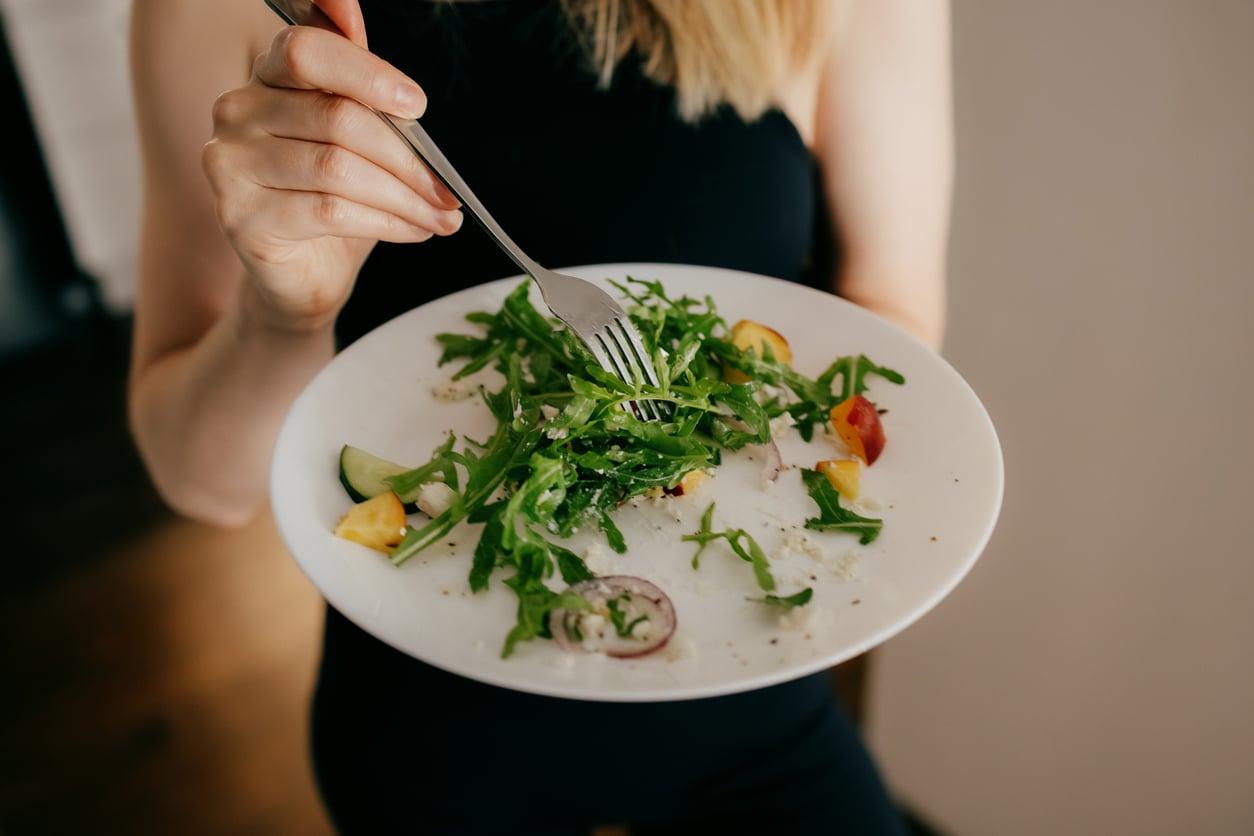
For anyone who loves peppery, slightly spicy greens, arugula is one of the most exciting choices of the season. It thrives in cooler conditions, with its main harvest falling in spring and autumn — and in a greenhouse, it keeps going through winter.
It's fantastic dressed simply with lemon and olive oil, but scattered over a warm pasta dish, it takes on a whole new life.
Fennel
Fresh fennel's delicate anise aroma opens up a new dimension in salads and soups. Shaved paper-thin and dressed with lemon juice and olive oil, it's wonderfully fresh and bright; roasted, it loses that intense herbal edge and develops a surprisingly sweet, mellow character on the plate.
It's a classic pairing with fish, but baked in a gratin-style dish, it's equally impressive on its own.
Celeriac
Beneath its rough, knobby exterior, celeriac hides an incredibly rich, aromatic interior that comes fully alive with cooking. People tend to either love it or hate it — but one thing is certain: it makes an outstanding base for hearty winter cream soups, and cut into wedges and roasted, it's a seriously underrated side dish.
Its earthy, aromatic flavor pairs beautifully with autumn fruits like apple and pear — a combination that works especially well in soups and slaws.
Parsnip
At a glance, a parsnip can look like a pale carrot — but the flavor is far more complex and spiced than its cousin's. When buying, go for slimmer, smaller roots; oversized ones tend to develop a woody, fibrous core.
Parsnip's distinctive, almost nutty warmth can elevate even the simplest cream soup into something special. Roasted in the oven, its natural sugars caramelize beautifully, producing a depth of flavor that's genuinely hard to match.
Frequently asked questions
Why are these vegetables better to eat in autumn and winter?
Many of these vegetables — like Jerusalem artichokes, frisée, and fennel — actually improve in cooler temperatures. Cold weather can enhance their sweetness, deepen their flavor, and in some cases boost their nutritional value.
How do I know which vegetables are freshest at the market?
For root vegetables like beets and turnips, choose ones that feel heavy and firm for their size. For beets, greens still attached is the clearest freshness indicator. For parsnips, opt for slimmer specimens to avoid woody centers.
Are the greens of beets really edible?
Absolutely. Beet greens are just as nutritious as the root and can be lightly sautéed or added to salads. Don't throw them away — they're one of the more overlooked leafy greens available in autumn.
What's the easiest way to make Brussels sprouts taste good?
Roasting is the key. Toss them in olive oil and roast at high heat until the outer leaves are crispy and caramelized. This method removes the bitterness and transforms their texture completely.