Walk down any grocery aisle and you'll see them: exotic powders and berries in glossy packaging, "superfood" splashed across the label, priced at three times what a normal shop would cost. Meanwhile, tucked away in gardens, at the edge of the farmers' market, or gathering dust at the back of the pantry, sit ingredients that could go toe to toe with those trendy imports on nutrition alone.
The only difference? Those humble local foods don't have a marketing team behind them. Here are three worth rediscovering.
1. Rosehip
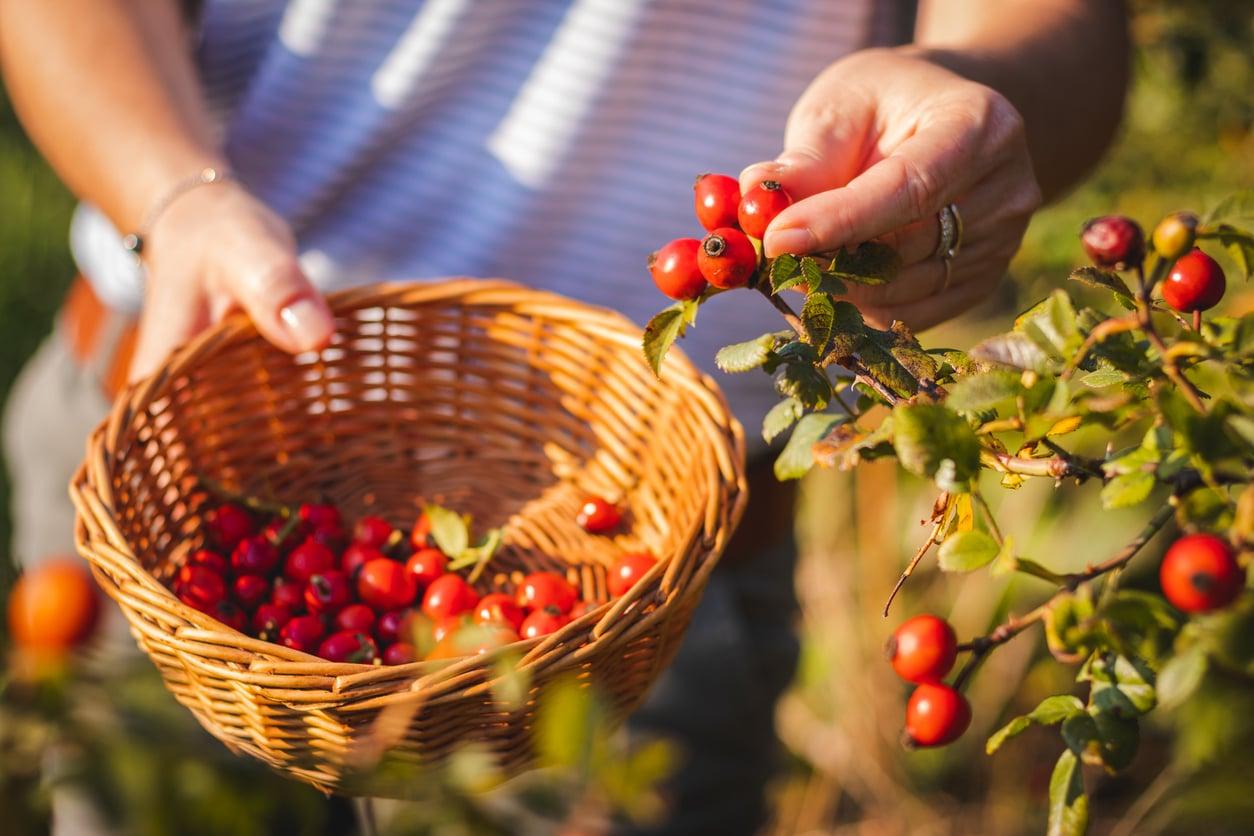
In autumn, hedgerows and woodland edges are bursting with it — yet it almost never makes the shopping list. Rosehip contains far more vitamin C than citrus fruits, plus flavonoids and carotenoids that support how your cells function.
Dried and brewed into tea, or turned into jam or cordial, it becomes a genuine winter vitamin boost. No air-freighted exotic powder required.
Harvesting is simple. It's best picked after the first frosts, when the flesh has softened and turned sweeter. Dry it at home, add it to a tea blend, and it can carry you right through the colder months.
2. Sauerkraut
Cabbage fermented the traditional way — in salted water, with no heat treatment — is full of live cultures that can help keep your gut flora in balance. Fermented cabbage is also rich in vitamin K and fibre, and because it grows locally, it's cheaper than any imported probiotic capsule.
Just be aware that the vinegar-preserved version on supermarket shelves isn't the same thing. The real, beneficial sauerkraut is powered by live lactic acid bacteria, so it's worth choosing it from the market or from small producers who still make it the traditional way.
Or you could try fermenting it yourself. One head of cabbage, some salt, and a few weeks of patience is all it takes.
3. Chokeberry (aronia)
Aronia isn't a classic local fruit, yet it has been grown in home gardens and orchards for decades. This dark, tannic berry has an outstanding antioxidant content and is packed with polyphenols — and local growers are producing more of it every year. Still, blueberries and goji berries hog the spotlight.
Raw, it's sharp and astringent, so it's better bought as cordial, jam, or dried for tea blends. Frozen aronia also works beautifully stirred into morning porridge or yoghurt — and it reaches your table with a far shorter journey than its fashionable, overseas rivals.
What all three of these ingredients have in common is this: you don't need a plane ticket to get hold of them, and growing them puts far less strain on the environment than powders and capsules shipped in from the other side of the world.
You can find them at local markets, from small producers, and sometimes even in your own back garden. Rediscovering them isn't just nostalgia — it can be a genuinely practical choice next time you write your shopping list.
Are these local foods really as good as trendy superfoods?
Nutritionally, yes. Rosehip beats citrus for vitamin C, sauerkraut delivers gut-friendly live cultures, and chokeberry is exceptionally high in antioxidants — all without the premium price tag of imported superfoods.
When is the best time to pick rosehip?
After the first frosts, when the flesh has softened and turned sweeter. That's when it's easiest to use for tea, jam, or cordial.
Why isn't shop-bought sauerkraut the same as the traditional kind?
The vinegar-preserved version on supermarket shelves lacks the live lactic acid bacteria that make traditional sauerkraut beneficial. For the real thing, buy from the market, from small producers, or ferment it yourself.
How can I eat chokeberry if it tastes too sharp raw?
Because it's astringent fresh, it works best as cordial, jam, or dried in tea blends. Frozen berries are also great stirred into porridge or yoghurt.