That heavy afternoon slump. The sudden wave of tiredness no amount of coffee can fix. The gnawing hunger that hits barely two hours after lunch. Most of us blame it on eating too much — but the real culprit is often something far simpler.
It's not always what you eat. It's the order in which you eat it.
Researchers at Weill Cornell Medicine, led by Alpana Shukla, ran a study that put this to the test. They gave people — some living with type 2 diabetes, some healthy — exactly the same meal, but served in a different sequence. The people who ate their vegetables and protein first, saving the carbohydrates for last, kept their blood sugar and insulin levels far steadier than those who started with carbs.
Same plate. Same food. Only the order changed — and that alone made a measurable difference.
Why the order matters so much
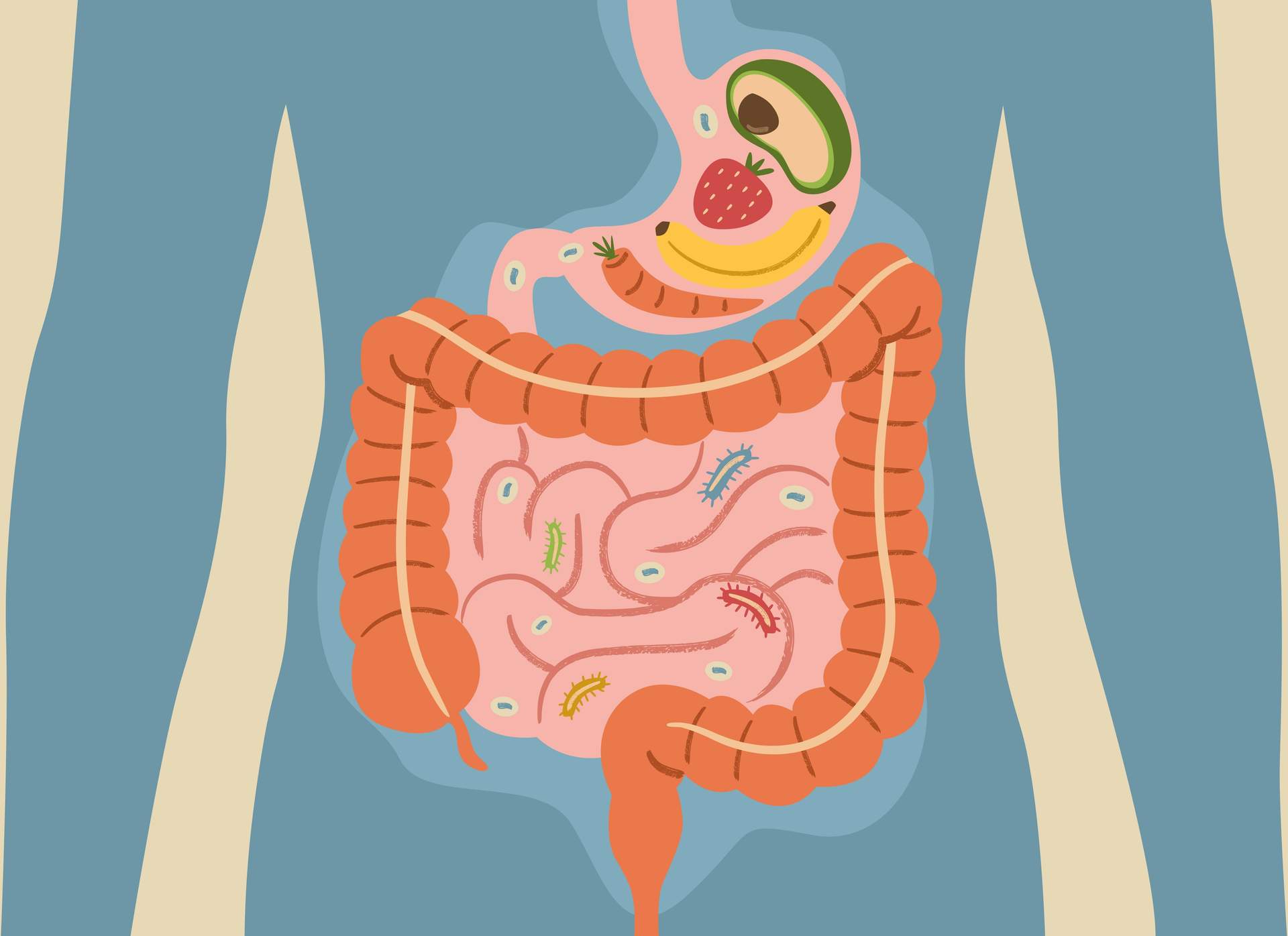
When you eat carbohydrates on an empty stomach, the sugar is absorbed quickly. Your blood sugar spikes, and your body fires back with a big surge of insulin. That sharp rise and fall is exactly what triggers the familiar afternoon fatigue that coffee never quite fixes.
But if fibre and protein reach your stomach first, they slow down the absorption of the carbohydrates that follow. The result: your blood sugar climbs gently instead of shooting straight up.
The right eating order, step by step
- First: fibre and vegetables. Start your meal with a salad, steamed vegetables or raw veggies — ideally on an empty stomach. Fibre slows how quickly your stomach empties, which later softens the absorption of carbohydrates too.
- Second: protein and fat. Meat, fish, eggs, cheese or legumes also slow digestion and keep you feeling full for longer than diving straight into the starch.
- Last: carbohydrates and starch. Rice, potatoes, pasta and bread belong at the end of the line if you're aiming for stable blood sugar. By then, the fibre and protein have already slowed things down, so the starch releases its sugar into your blood more gradually.
What this looks like on an everyday plate
Say you're having chicken risotto. You don't need to reinvent the recipe — just tweak the order. Start with a small portion of salad or steamed vegetables, move on to the chicken, and leave the rice part of the risotto for last. Making a Bolognese? Eat the vegetables and the meaty part of the sauce first, then the pasta.
The same logic works at breakfast: reach for the tomato and avocado first, then the eggs, and if there's bread on the plate, save it for the end.
If you're already rethinking your meals, it's worth looking at lighter dinner ideas that fit naturally into this approach.
It's not only what we eat that matters, but the order in which it reaches our mouths — and this small switch often makes a bigger difference than an entire diet.
Common mistakes that are easy to make
Plenty of people start the day with coffee and a pastry — which is the exact opposite of what glycemic sequencing suggests. Another classic slip-up is opening a heavier, starch-rich meal with fruit, since fruit sugar is also absorbed fast when there's no fibre or protein ahead of it to slow things down.
And then there's the person who follows the order perfectly but eats far too quickly. That can undo the benefit too, because digestion is shaped not just by the order, but by the pace.
Who should give it a try
Glycemic sequencing isn't a strict diet — it's a tiny, easy-to-adopt habit. It can be especially helpful for anyone who regularly battles that afternoon energy crash, or who wants to stay full for longer after eating.
If you live with diabetes, this is a topic worth discussing with your doctor, since individual factors also affect how much this small change helps your daily blood sugar balance.
Do I have to change my recipes to try this?
No. You keep eating the same meals — you simply change the order, starting with vegetables and protein and saving the carbs for last.
Why does eating carbs last help?
When fibre and protein reach your stomach first, they slow down how quickly the carbohydrates that follow are absorbed, so your blood sugar rises more gently instead of spiking.
Can this stop my afternoon energy crash?
It may help. That slump is often caused by a sharp blood sugar spike and drop after eating carbs first, and eating them last can smooth out that rise and fall.
Does eating speed matter too?
Yes. Even if you follow the right order, eating too quickly can reduce the benefit, because digestion is influenced by pace as well as sequence.
Is this safe for people with diabetes?
It's best discussed with a doctor. Individual factors affect how useful the change is for your daily blood sugar balance, so medical guidance is recommended.