The early results are promising — but scientists are urging caution.
Microplastics are everywhere. They're in our drinking water, our food, the air we breathe, and researchers have now detected them inside the human body. We still don't fully understand what they do to our health, but a fresh study from South Korea has delivered some genuinely encouraging news.
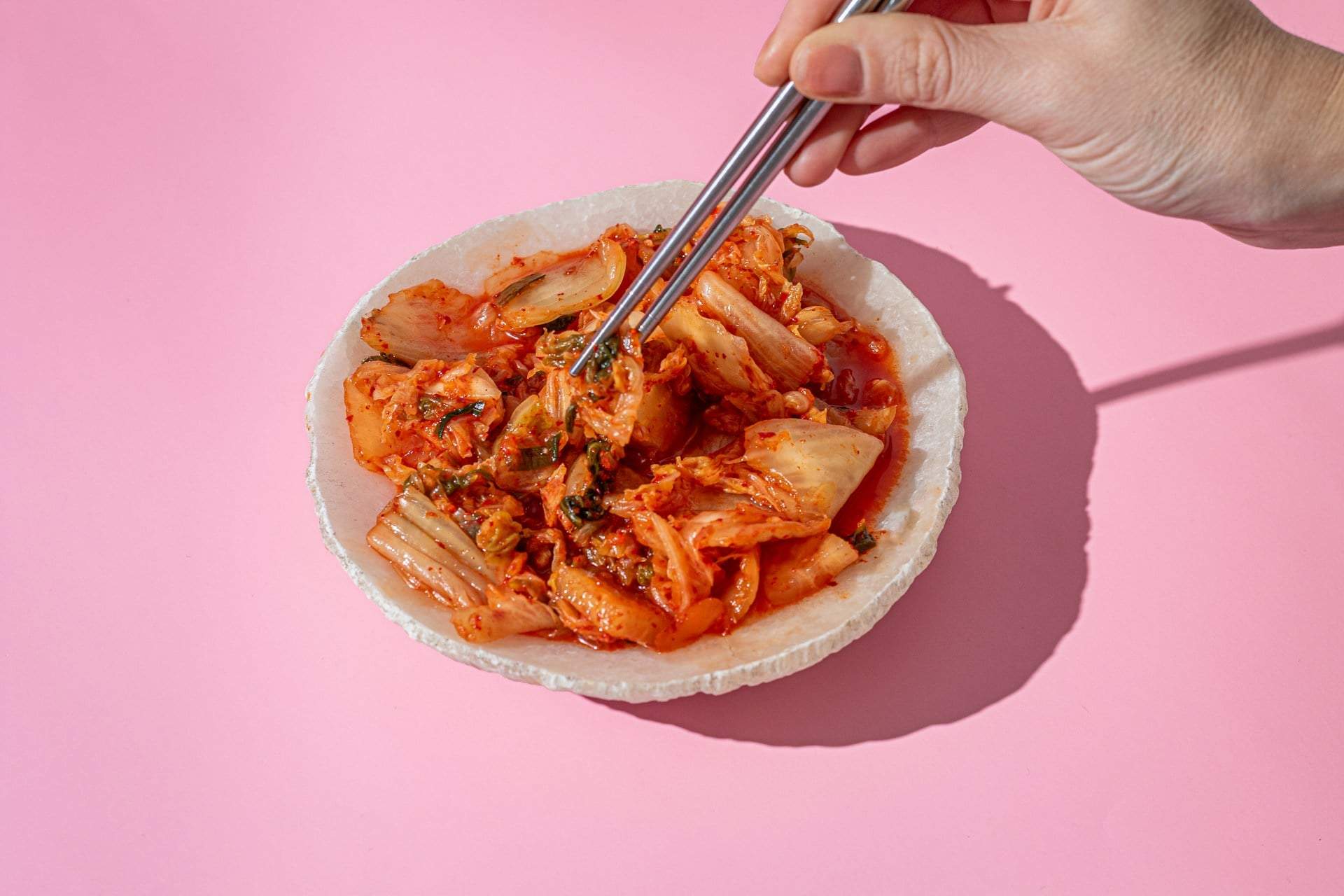
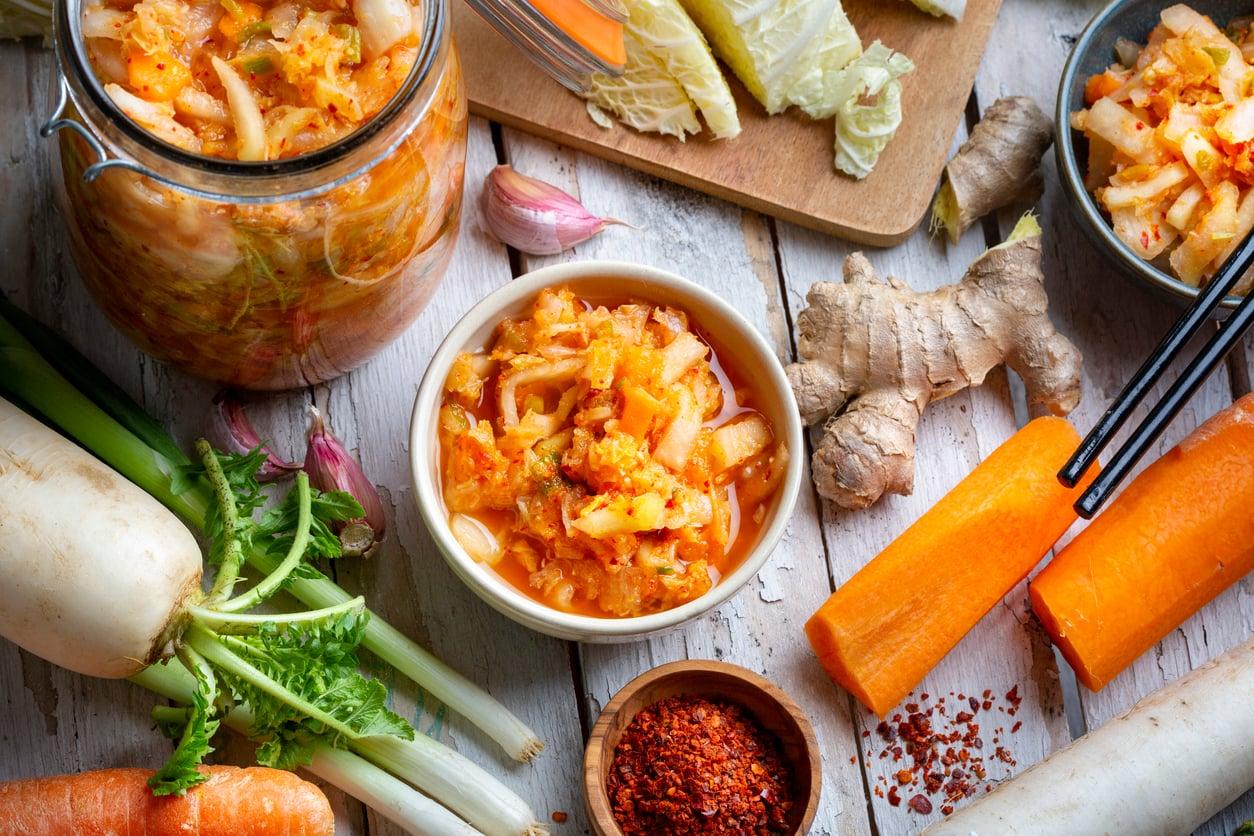
It turns out that a fermented food many people already love — kimchi — may contain a beneficial bacterium that helps bind microplastics and remove them from the body naturally.
That doesn't make kimchi a miracle cure. But the findings are absolutely worth paying attention to.
How can a single bacterium help?
The research was carried out by scientists at South Korea's World Institute of Kimchi. At the center of their study was a lactic acid bacterium that occurs naturally in kimchi, according to SheKnows.
In the lab, the bacterial strain was able to bind 87 percent of the microplastics it was exposed to. When tested in an environment designed to mimic the human gut, that effectiveness dropped to 57 percent.
Even so, that was a far better result than a second strain used for comparison — one that performed well in the lab but almost completely lost the ability in the gut-like environment.
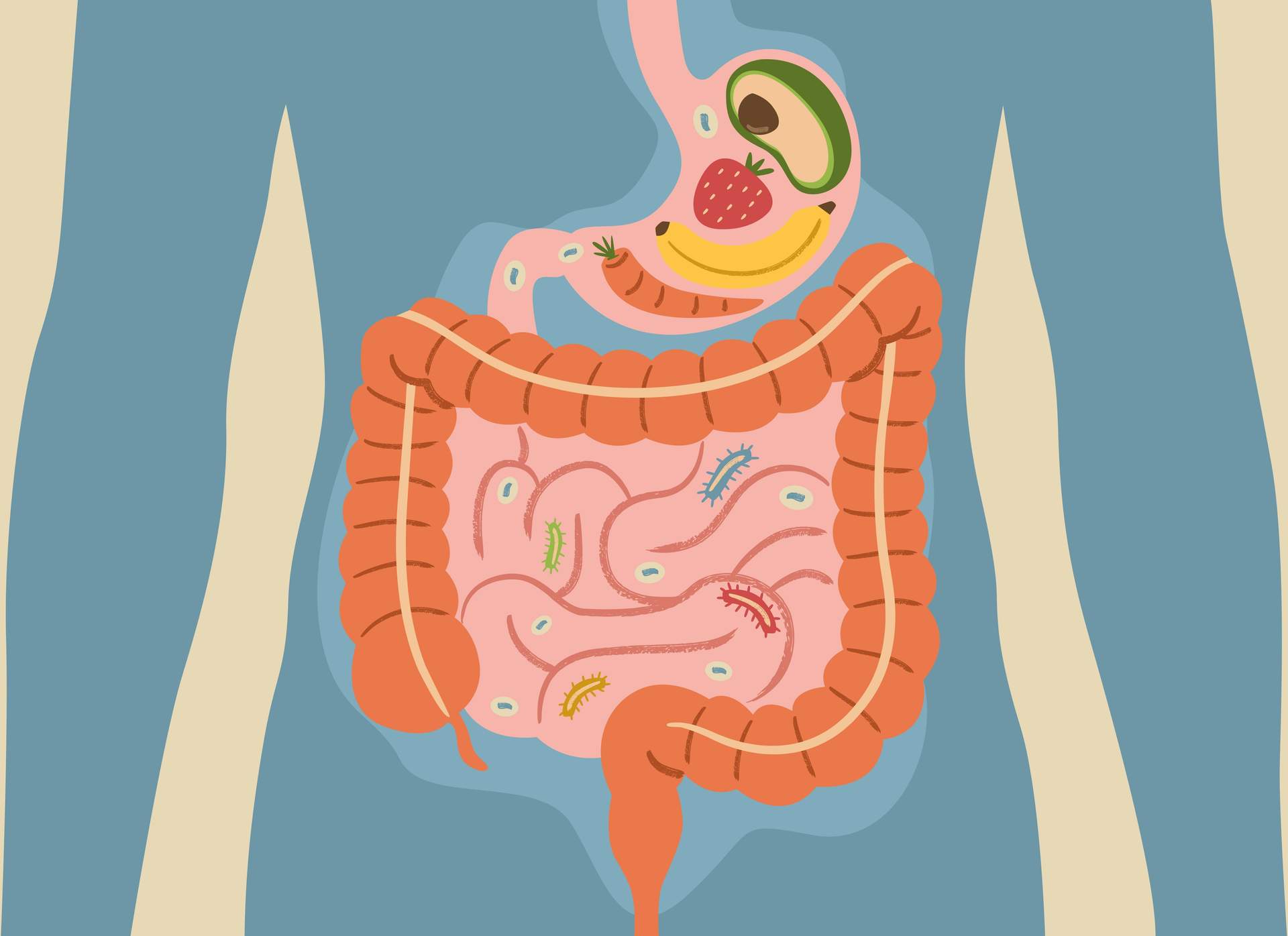
According to the researchers, the bacterium may be able to attach itself to microplastics in the gut, so they can leave the body along with stool.
Important: this doesn't prove kimchi removes microplastics yet
As exciting as the findings are, experts are urging caution.
Registered dietitian Avery Zenker points out that the research wasn't done on people. It took place in a lab setting, using a bacterial strain isolated from kimchi. That means we can't yet say that eating kimchi itself produces the same effect inside the human body.
Still, according to Zenker, the study shows real potential and could be a strong starting point for future research. To draw firm conclusions, though, clinical studies on actual humans will be needed.
Why are scientists so focused on microplastics?
Microplastics are incredibly tiny plastic particles that make their way into our bodies almost unavoidably.
Research over recent years has already detected them in the brain, the heart, the gastrointestinal tract, the placenta and the reproductive organs. They've turned up in urine, breast milk, semen samples — and even in the first stool of newborns.
Scientists are still investigating what long-term buildup might mean for our health. Some studies have found links between microplastics and chronic inflammation, cell damage, abnormal organ development and an increased risk of certain cancers — though a clear cause-and-effect relationship hasn't yet been proven.
Fermented foods are worth eating anyway
According to Avery Zenker, one of the most positive takeaways from the study is that the bacterium in question lives in a food whose health benefits are already backed by plenty of earlier research.
Alongside kimchi, fermented foods like sauerkraut, kefir, yogurt and naturally fermented pickles can support a more diverse gut flora, aid digestion, help your immune system function properly and contribute to overall gut health.
And a healthy gut microbiome influences far more than digestion. It plays a role in immune defense, metabolism, and even the proper functioning of the brain and heart.
Fiber matters just as much
Experts stress that probiotics alone aren't enough. Those beneficial bacteria also need something to feed on — and that comes mainly from fiber.
It's worth regularly eating fruit, vegetables, legumes, nuts and seeds, along with foods rich in prebiotic fiber such as garlic, onion, leek and asparagus. These help keep your gut flora balanced and encourage the good bacteria to multiply.
Should you add it to your diet?
While it's too soon to claim that kimchi shields your body from microplastics, eating fermented foods regularly is a smart choice for other reasons entirely.
Zenker notes that many health professionals already recommend adults and children include fermented foods in their diet whenever possible. If you're not used to their distinctive tang, start with small amounts:
- kimchi pairs well with scrambled eggs, rice dishes or sandwiches,
- sauerkraut can be stirred into soups,
- and kefir is a great addition to smoothies or your morning meal.
Research on microplastics is still in its early days, but one thing already seems clear: a fiber-rich diet and regularly eating fermented foods can do a lot for the health of your gut flora. And if future studies confirm the beneficial effect of the bacterium found in kimchi, we'll have yet another good reason to bring this fermented favorite to the table more often.
Does eating kimchi remove microplastics from your body?
Not yet proven. The study showed a bacterium isolated from kimchi bound microplastics in the lab and in a gut-like environment, but it wasn't tested on people, so we can't say eating kimchi itself has the same effect.
How effective was the bacterium at binding microplastics?
In the lab it bound 87 percent of the microplastics. In an environment mimicking the human gut, that dropped to 57 percent — still far better than a comparison strain.
What other fermented foods offer similar benefits?
Sauerkraut, kefir, yogurt and naturally fermented pickles can all support a diverse gut flora, aid digestion and help your immune system function properly.
Why does fiber matter for gut health?
Probiotics alone aren't enough — beneficial bacteria need fiber to feed on. Fruit, vegetables, legumes, nuts, seeds and prebiotic-rich foods like garlic, onion, leek and asparagus help them thrive.