Still tossing and turning at 2 a.m. while your bedroom feels like an oven? You're far from alone — and there are real, practical ways to fix it.
Hot summer nights are some of the hardest nights of the year for sleep. When the apartment never fully cools down, restless sleep, frequent wake-ups, and exhausted mornings become the norm. The heat doesn't just make you uncomfortable — it actively disrupts your body's natural recovery process overnight.
The good news? A few intentional evening habits can genuinely improve your sleep quality, even during a heatwave. The right bedtime routine, a cooler bedroom, and some simple tricks can help you wind down faster, fall asleep more easily, and wake up feeling human again.
Why heat makes sleep so much harder
Before you fall asleep, your body naturally lowers its core temperature — it's a biological signal that it's time to rest. In a heatwave, that process becomes a struggle, which is why falling asleep can take significantly longer on hot nights.
High humidity makes things even worse. When the air is muggy, sweat can't evaporate efficiently, so your body loses its main cooling mechanism. The result? You feel hotter, stickier, and more awake than ever.
It's also completely normal to feel more drained and sluggish during the day in summer heat. Your body is burning extra energy just to regulate its temperature — and that takes a toll.
Skip the afternoon nap
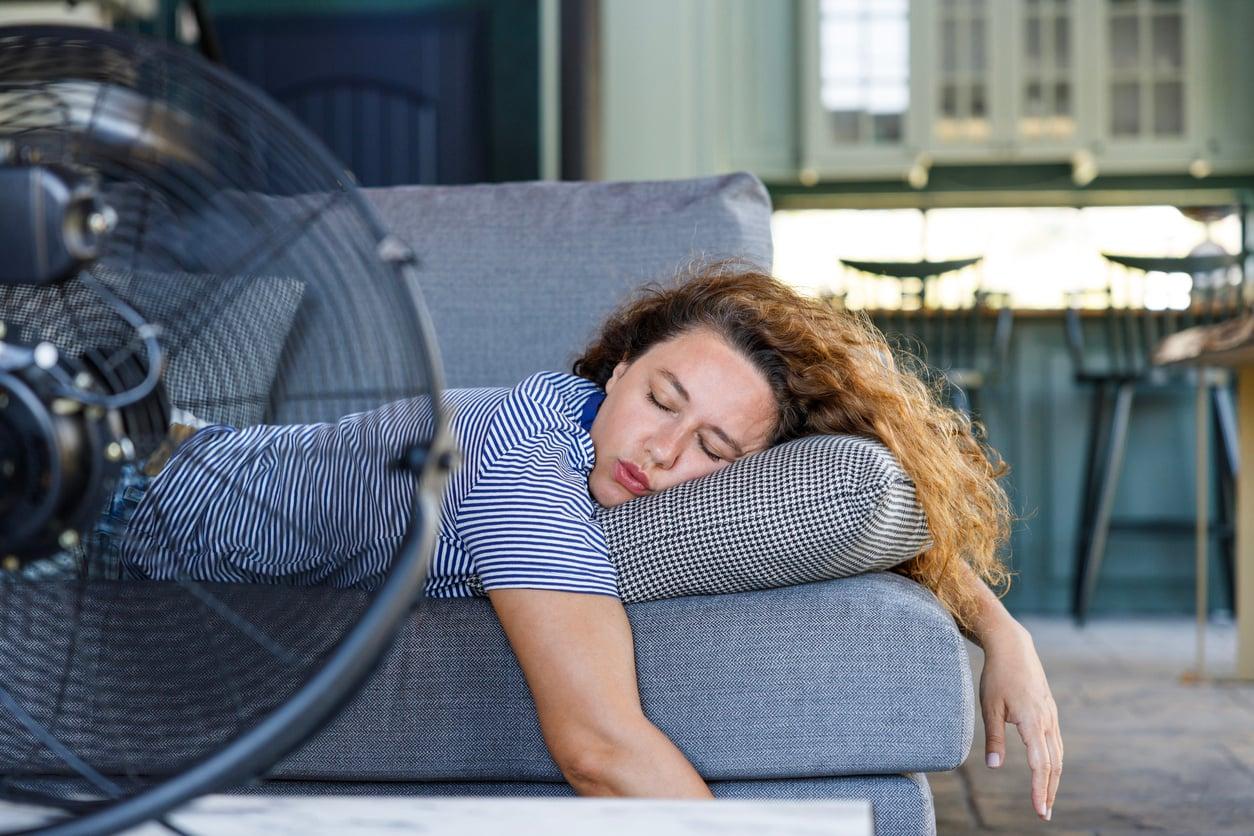
It's tempting to crash on the sofa for a quick nap when the afternoon heat hits — but if you're already struggling with nighttime sleep, that nap could be making things worse. Daytime sleep chips away at the sleep pressure that builds up naturally over the day, making it harder to fall asleep when you actually need to.
Save the sleepiness for bedtime. The more tired you feel by evening, the faster you'll drift off when your head hits the pillow.
Stick to your usual evening routine
Summer has a way of throwing off your whole rhythm — later dinners, longer evenings, more screen time. But your body thrives on predictability, and consistency is one of the most powerful sleep tools you have.
Try to go to bed at roughly the same time you normally would, and hold onto the evening habits that help you unwind. A calm shower, a few pages of a book, or some quiet music will do far more for your sleep than late-night scrolling through social media ever will.
Keep your bedroom as cool as possible
Your bedroom temperature is one of the biggest factors in how well you sleep. During the day, keep blinds or blackout curtains closed — especially on sun-facing windows — to stop the room from heating up in the first place.
In the evening, once the outside air cools down, throw the windows open and create a cross-breeze to flush out the stored heat. Even a drop of just a few degrees can make a noticeable difference to how quickly you fall asleep and how deeply you stay asleep.
Choose lightweight, natural bedding
Ditch the heavy duvet. On summer nights, a thin cotton sheet or breathable cotton bedding is all you need. Natural fibres breathe better and wick away moisture, keeping you more comfortable throughout the night.
The same logic applies to what you wear to bed. Loose-fitting cotton or linen pyjamas are often more comfortable than sleeping naked, because they help draw moisture away from your skin rather than letting it pool.
Fan tricks, cold socks, and other cooling hacks
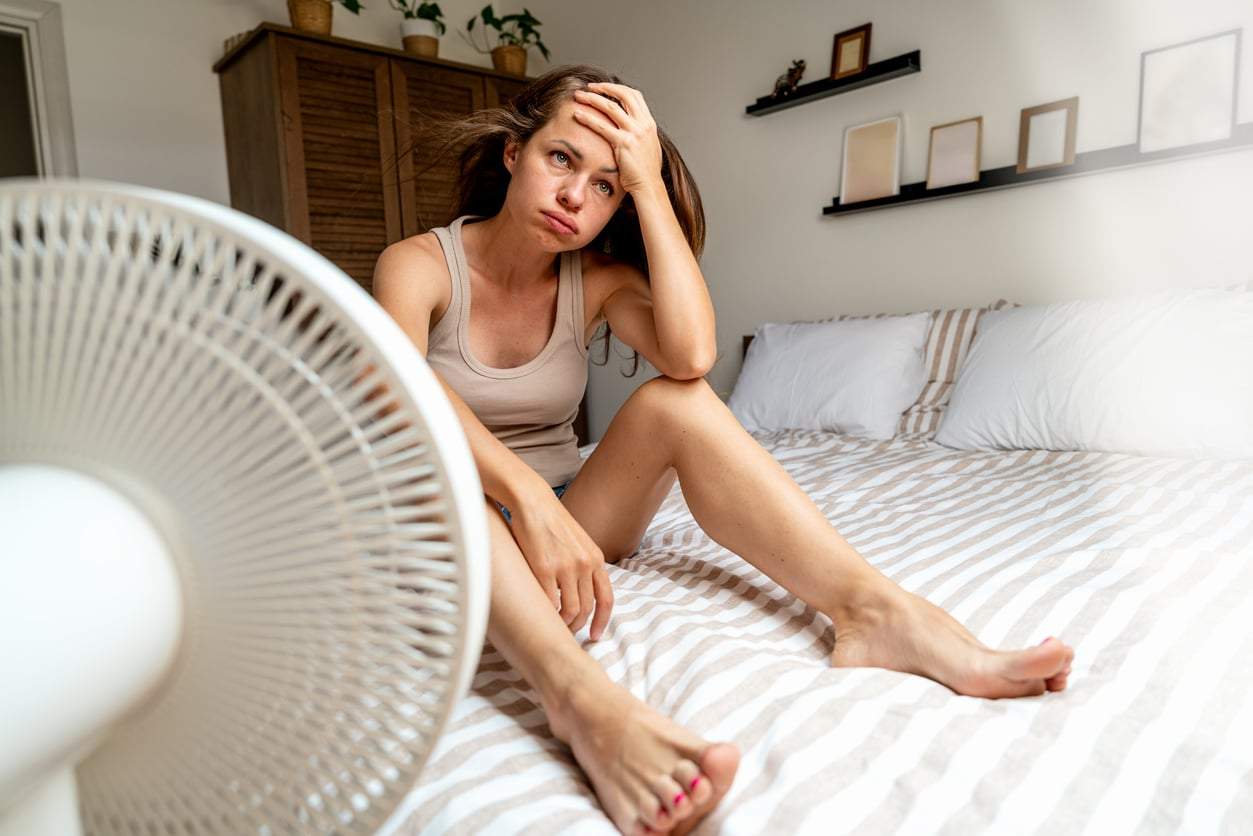
Switching on a small fan one to two hours before bed can meaningfully improve how comfortable you feel, especially on humid nights. Moving air speeds up sweat evaporation, helping your body cool itself more efficiently.
One surprisingly effective trick: pop a pair of socks in the freezer for a few minutes before bed, then put them on. Cooling the soles of your feet helps bring down your overall body temperature — and many people swear by it.
A cool, damp cloth on your wrists or the back of your neck works on the same principle. Some people also use a hot water bottle filled with cold water or frozen with an ice pack as a makeshift cooling pad.
Stay hydrated — but smartly
In summer heat, staying hydrated matters more than ever — you're losing more fluid through sweat, and dehydration can make it harder to sleep. Drink plenty of water throughout the day.
That said, avoid drinking large amounts right before bed, or you'll be making trips to the bathroom all night. What you drink in the evening matters too — caffeine, energy drinks, and alcohol all interfere with sleep quality. Alcohol might make you feel drowsy at first, but it fragments sleep and leads to earlier, more restless wake-ups.
Put the phone down before bed
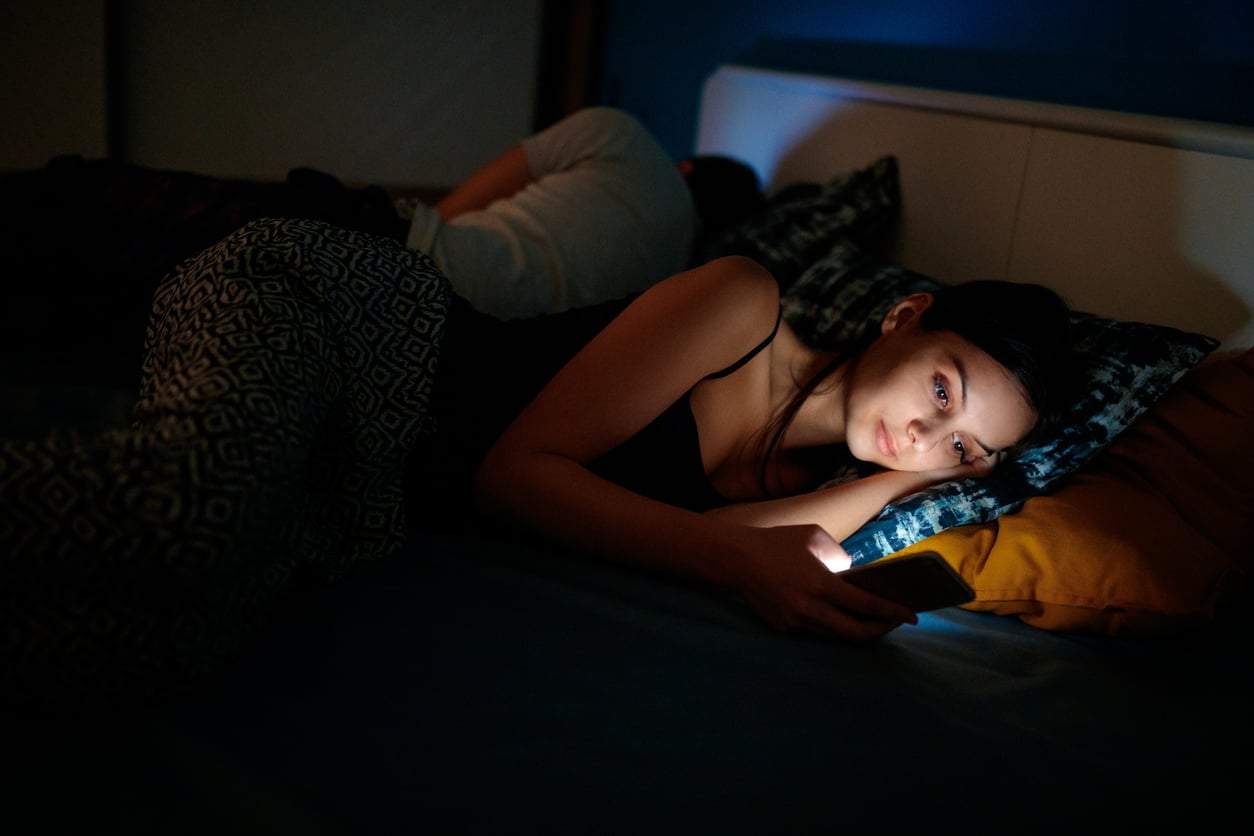
When sleep won't come, reaching for your phone feels automatic. But the blue light from screens stimulates your brain and signals wakefulness — making it even harder to drift off again.
Instead, try a genuinely calming activity: reading a physical book, writing in a journal, or doing a simple wind-down ritual. When you feel sleepy again, that's your cue to go back to bed.
If you want to reduce screen use more broadly, research suggests it can have a significant impact on mood and mental wellbeing — not just sleep.
For kids, routine matters even more
School holidays make late bedtimes feel inevitable, but experts agree that consistency still counts — especially for children. A familiar evening routine provides a sense of security that helps kids settle down, even when the nights are warm.
A lukewarm bath before bed can be wonderfully relaxing for little ones. Just avoid cold water — it can actually stimulate circulation and make the body feel warmer, not cooler.
A few bad nights aren't the end of the world
It's completely normal to sleep less soundly during a heatwave. The most important thing is not to stress about it — anxiety about sleep tends to make sleep even harder.
Small changes really do add up. Your body is remarkably adaptable in the short term, and even after a string of rough nights, it can still function well. Focus on what you can control, build a few of these habits into your evenings, and let the rest go.