There's a simple kitchen trick most people shrug off, yet researchers have studied it seriously: if you let cooked rice or pasta cool down and rest in the fridge overnight, the structure of the starch inside actually changes. It's not magic, it's chemistry — and the effect is measurable on both your blood sugar and your digestion.
The process is called retrogradation. In plain terms, the starch chains that open up during cooking rearrange themselves as the food cools, this time into a denser, more crystalline structure. That new form is known as resistant starch, because the digestive enzymes in your small intestine struggle to break it down.
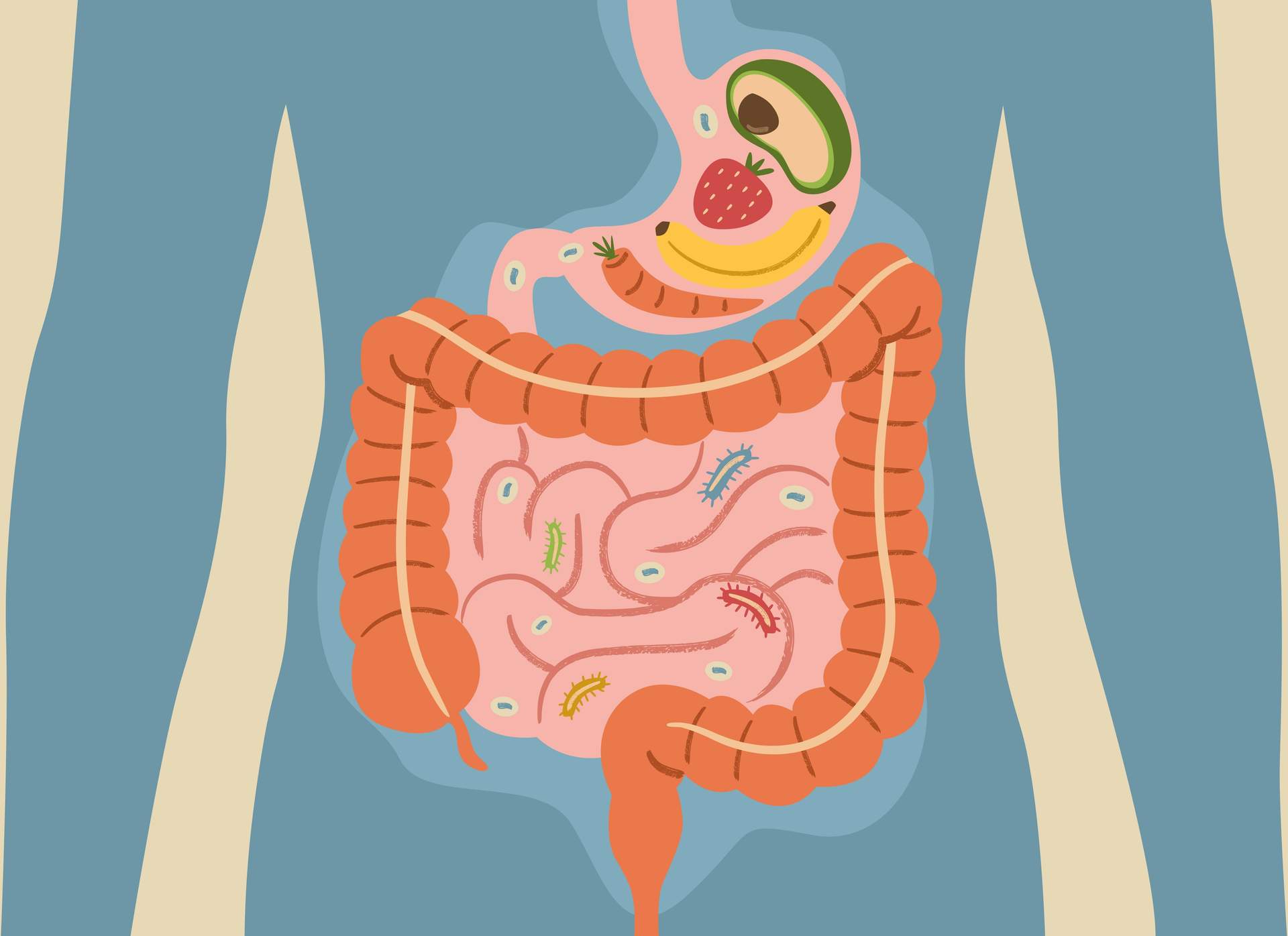
Whatever isn't absorbed in the small intestine travels on to the large intestine, where it feeds your gut bacteria. At the same time, the blood sugar and insulin response it triggers is noticeably gentler than with a freshly cooked, hot serving.
Why is cooling the key?
Starch is made up of two main components: amylose and amylopectin. During cooking, heat and water cause the starch granules to swell and their structure to loosen — a process called gelatinization.
As the food cools, the amylose molecules bond together again, forming a tight, orderly network. This takes time, and the longer the food rests in the cold, the more stable that new structure becomes.
A research group in Sri Lanka that measured the effect of cooling rice found something striking: rice that was cooked, chilled and then reheated had a significantly higher proportion of resistant starch than the freshly served version.
Rice or pasta: is there a difference?
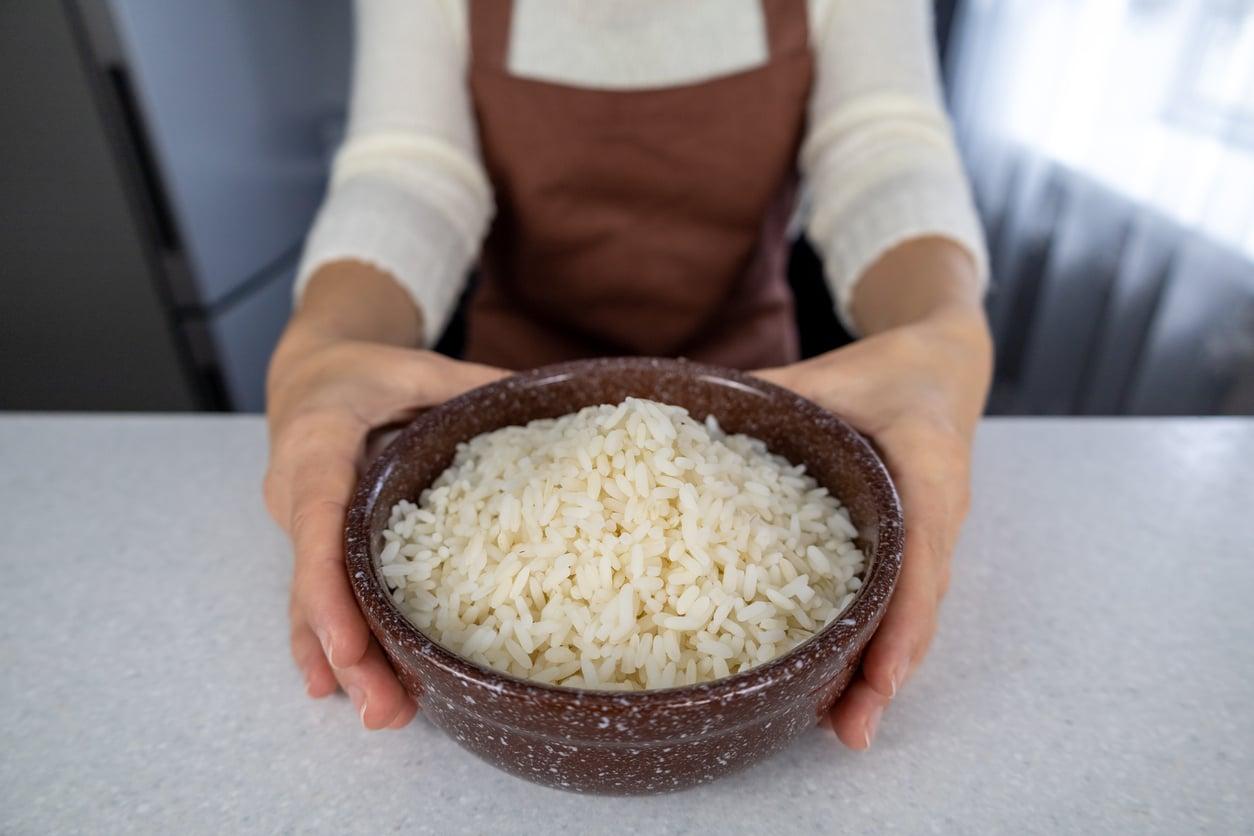
The process works for both, but not to the same degree. Rice — especially long-grain varieties — contains more amylose, which favors retrogradation.
With pasta, the effect is a little more modest but still measurable, particularly if it's good-quality durum wheat pasta cooked al dente. Overcooked, mushy pasta is far less suitable, because its structure has already loosened too much.
How to do it at home, step by step
- Cook your rice or pasta the usual way, but don't boil it until it's too soft.
- Let it cool at room temperature for no more than an hour — don't leave it out longer than that.
- Transfer it to an airtight container and put it in the fridge.
- Leave it in for at least twelve hours, ideally a full night.
- Enjoy it the next day cold, tossed into a salad, or reheated — warming it up won't undo the resistant starch you've created.
Reheating doesn't ruin it
Many people worry that reheating the food will cancel out the benefits of chilling. According to the research, that isn't the case: most of the resistant starch survives reheating, because the crystalline structure that formed would need very high temperatures to fully break down again.
What else is worth knowing
Resistant starch is not a miracle cure, and on its own it won't fix anything if the rest of your diet is out of balance. Still, it's worth remembering that this is a cheap, easy-to-do method for making your everyday side dishes a little friendlier for your digestion and blood sugar.
The effect can vary from person to person, and it doesn't replace professional advice if you have a specific health issue related to carbohydrate metabolism.
If you try it, keep an eye on portions too. A sudden jump in resistant starch can cause some bloating at first, until your gut flora adjusts to the new type of fiber. It's best to introduce it gradually, starting with small amounts and building up if your body tolerates it well.
Does reheating destroy resistant starch?
No. Most of the resistant starch stays intact when you reheat the food, because the crystalline structure that forms during chilling would need very high temperatures to fully reverse.
How long should rice or pasta stay in the fridge?
Aim for at least twelve hours, ideally a full night. The longer the food rests in the cold, the more stable the new starch structure becomes.
Does the trick work better with rice or pasta?
Both benefit, but rice — especially long-grain varieties — tends to work better thanks to its higher amylose content. With pasta the effect is more modest, and works best with good-quality durum wheat cooked al dente.
Can resistant starch cause any side effects?
Eating a lot of it suddenly can cause temporary bloating while your gut bacteria adjust. Introducing it gradually, in small amounts, helps your body get used to the new fiber source.