Expensive serums, elaborate skincare routines, wellness supplements — we invest a lot in looking and feeling younger. But one of the most powerful factors in how fast you age has nothing to do with what you put on your skin. It has everything to do with what you put on your plate — and how and when you eat it.
Modern eating habits have quietly introduced a handful of behaviors that accelerate biological aging from the inside out. Here are three of the most common ones, and what you can do instead.
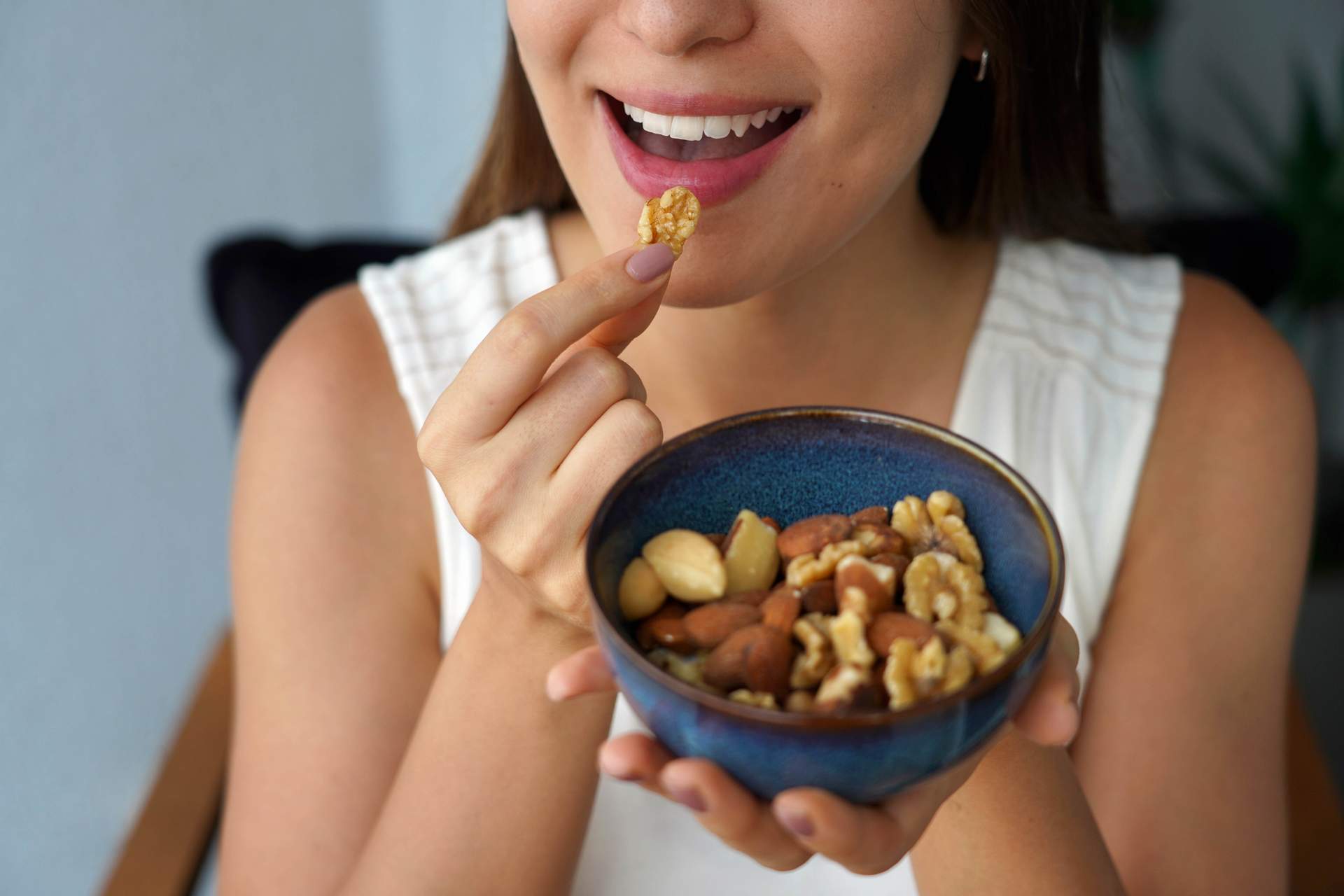
1. Constant snacking — your body never gets a chance to recover
Food is available around the clock, and many of us graze through the day without thinking twice. But this habit puts a real strain on the body. Every bite you take raises blood sugar, which triggers an insulin response — and that sets off a cascade of cellular activity.
While this process is essential for survival, activating it too frequently can become a problem over time. According to The Guardian, chronic overstimulation of this cycle can increase cellular damage, promote inflammation, and contribute to the buildup of harmful visceral fat.
Dr. Eric Verdin, a leading researcher in the science of aging, argues that the body genuinely needs food-free windows to carry out essential repair and regeneration processes.
Research suggests that a 12-hour eating window followed by a 12-hour overnight fast is one of the most effective patterns for supporting healthy aging.
What you can do: Try limiting yourself to 2–3 proper meals per day, and aim to leave at least 12 hours between dinner and breakfast.
2. Too many refined carbs — and cooking methods that make things worse
Sugar and refined carbohydrates — white bread, pasta, pastries — don't just affect your waistline. They also affect your skin and the health of your cells. These foods drive a process called glycation, during which harmful molecules known as AGEs (advanced glycation end products) are formed.
AGEs break down collagen — the protein responsible for firm, youthful skin — and trigger inflammation throughout the body. According to Dr. Jaime Uribarri, a nephrologist and clinical researcher, these compounds may play a role in a wide range of age-related changes, from wrinkles to cardiovascular problems.
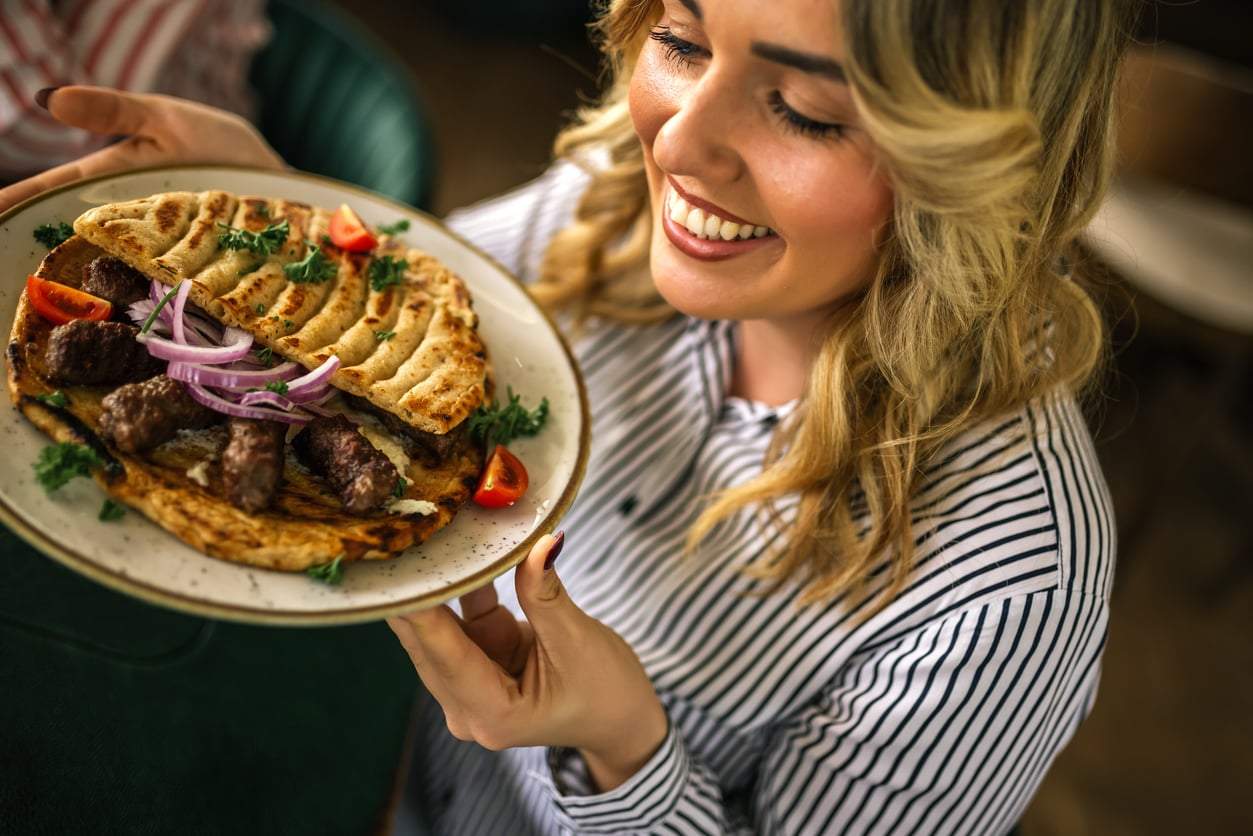
What makes this worse is that AGEs don't only form inside your body — they're also created during cooking, especially when food is grilled, fried, or roasted at high temperatures.
What you can do:
- Choose whole grains over refined ones.
- Cut back on added sugar wherever you can.
- Favor steaming, boiling, or slow cooking over high-heat grilling and frying.
3. Too much saturated fat, too little fiber — the recipe for silent inflammation
Saturated fats found in red meat, certain cheeses, and processed foods can be converted in the gut into compounds that push the immune system into a state of chronic low-grade inflammation.
Over time, this can damage the gut lining, making it more permeable — a phenomenon often called "leaky gut." This is considered one of the key drivers of immune system aging.
Research by Dr. Niharika Duggal at the University of Birmingham highlights that a combination of high saturated fat intake and a low-fiber diet is particularly damaging in this regard.
What you can do:
- Aim for at least 30–40 g of fiber per day from vegetables, legumes, and whole grains.
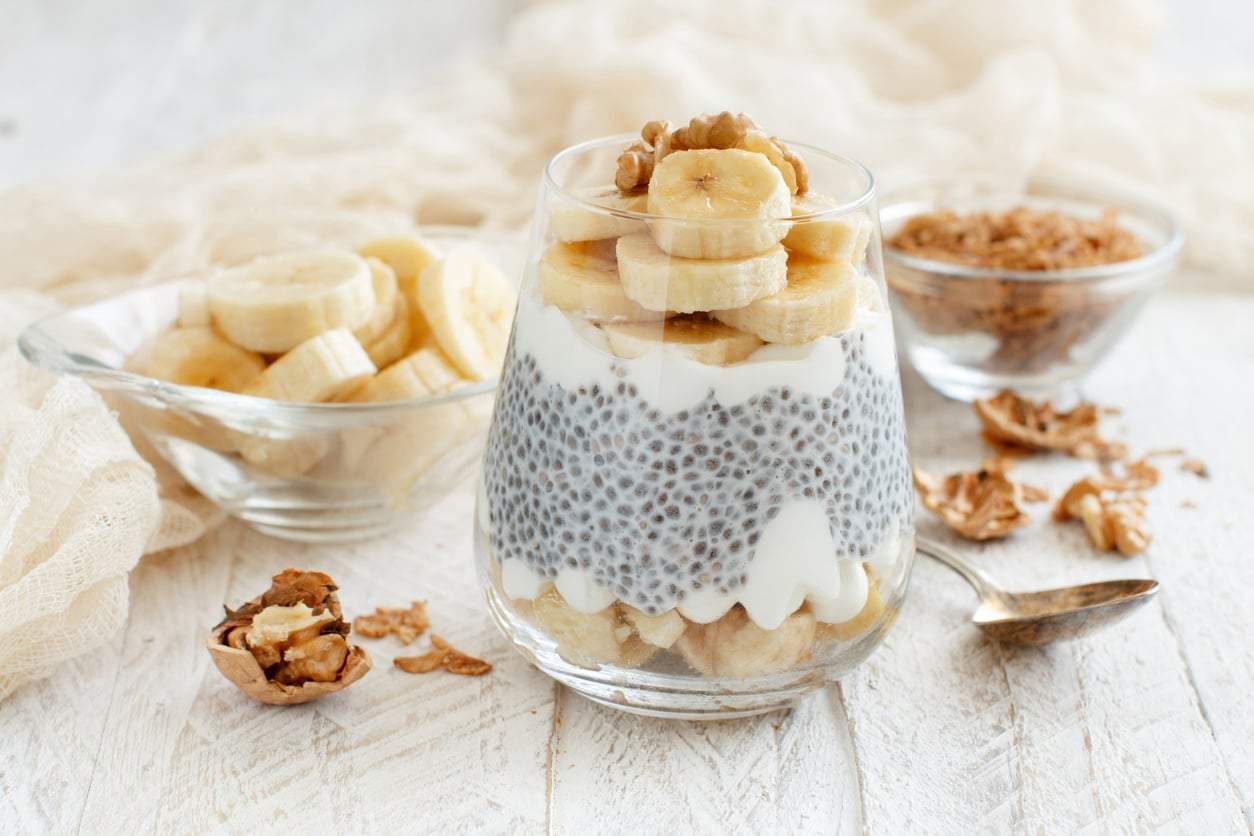
- Add omega-3 fatty acids to your diet through foods like salmon, mackerel, and walnuts.
Bonus: when you eat matters too
It's not just what you eat — timing plays a bigger role than most people realize. Large, heavy meals late in the evening can disrupt sleep and put unnecessary strain on your metabolism.
Professor Satchin Panda of the Salk Institute points out that the body's insulin sensitivity is at its peak during the first half of the day — which means your larger meals are better handled earlier. Shifting your biggest meal to breakfast or lunch, rather than dinner, can have a meaningful impact on how your body processes food and ages over time.
What to eat if you want to slow down aging
The foundation of an anti-aging diet is simpler than it sounds:
- Plenty of vegetables and fruit — ideally twice as much as protein on your plate.
- Adequate B vitamins, especially B12 and B3.
- Omega-3 fatty acids from whole food sources.
- High-fiber foods at every meal.
- Moderate protein intake.
- As little ultra-processed food as possible.
Aging isn't purely a matter of genetics — your daily habits carry just as much weight. The encouraging part? You don't need a dramatic overhaul. Small, consistent changes to how you eat can help you feel more energetic, protect your health long-term, and genuinely slow down how fast your body ages.