Being diagnosed with gluten and dairy intolerance as an adult was one of the biggest turning points of my life. Not a minor inconvenience — a full reset. Almost overnight, I had to completely rethink what I ate, how I shopped, and how I approached every single meal.
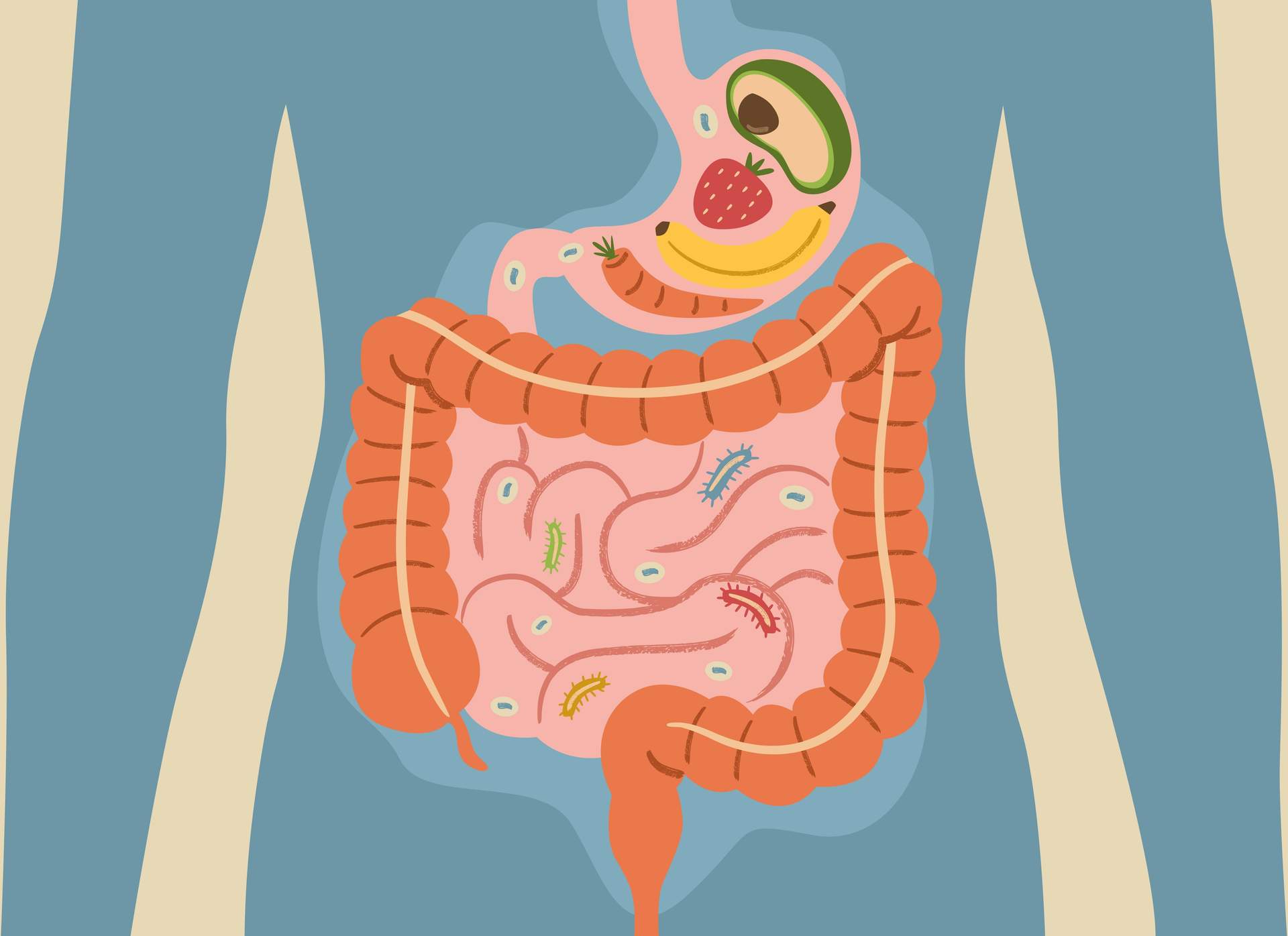
That's when my gut health stopped being an abstract concept and became something I thought about every single day. And eventually, it's what led me to start taking probiotics — intentionally, consistently, and with realistic expectations.
Building a new foundation: strict, mindful, but still enjoyable
My first step was committing fully to a gluten-free and dairy-free diet. But I quickly realized that simply removing things wasn't enough. The real work was in replacing them thoughtfully.
It wasn't enough to just cut certain foods out — I had to make sure I was replacing them with genuinely nourishing alternatives.
That meant prioritizing plenty of vegetables and fruit every day, leaning into seasonal ingredients, and cutting back as much as possible on ultra-processed foods. The diet gave me a stable foundation — but even so, there were moments when my body felt more reactive than usual, especially during stressful periods.
When stress shows up in your gut and on your skin
Life isn't always balanced. There were calm stretches, and then there were exhausting days when a bag of crisps felt like the only realistic option. My body noticed every single one of those slip-ups. My digestion became more sensitive, and my skin would occasionally turn dull and prone to breakouts.
That's when I started thinking seriously about how I could support my body from the inside — not just through what I avoided, but through what I actively gave it.
Adding a daily probiotic to my routine
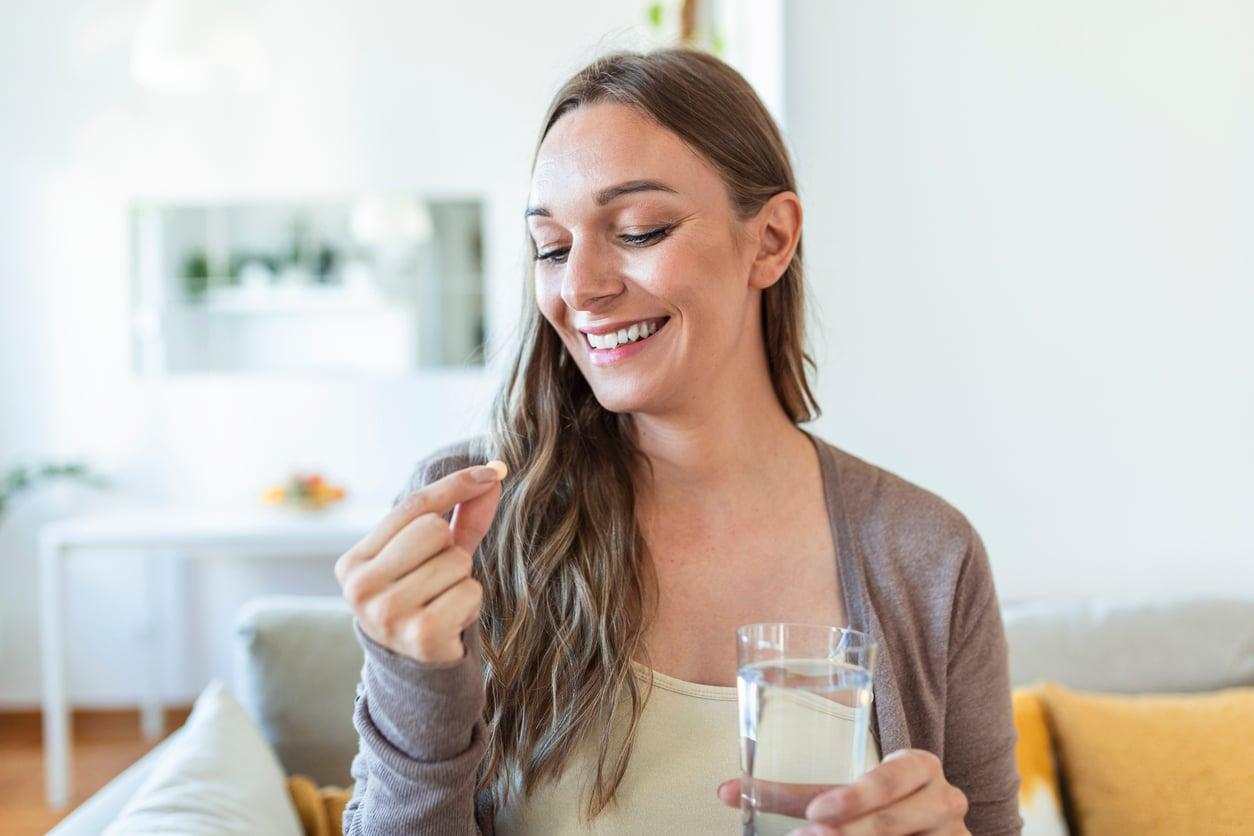
A few months ago, I decided to start taking a probiotic every day. I wasn't looking for a miracle or a quick fix. I wanted long-term, steady support — something that could work alongside my diet and help offset the effects of stress on my gut.
A few weeks in, I noticed small but clear changes: my digestion felt more settled, bloating became less frequent, and my skin gradually started to look better.
That said, I want to be honest — I don't credit the probiotic alone for these changes.
It's never just one thing
The improvements I felt came from several shifts happening at the same time, each reinforcing the others.
Alongside the probiotic, I also made a conscious effort to:
- drink more water throughout the day
- cut back significantly on processed snacks and crisps
- spend more time outdoors, which helped my mental state as much as my body
It was the combination of all of these that really started to shift things. No single habit did it alone.
The role of fermented foods — sauerkraut became my favourite
Beyond supplements, I also believe strongly in getting probiotics from natural food sources — and for me, sauerkraut has become a staple. It's simple, everyday food, but it's one of the most tangible ways I've found to support my gut flora naturally. Sometimes the most ordinary things make the biggest difference.
What this whole journey has taught me
I see it much more clearly now: health isn't determined by any single thing. Not one capsule, not one diet, not one list of banned foods. It's the overall picture — the daily decisions, big and small, that add up over time.
Probiotics have become a genuinely useful part of my routine. But they're just one piece of a larger lifestyle shift that started the day I got my diagnosis.
If you're considering making similar changes, please keep your own health history and individual needs in mind. Before introducing any new supplement or making significant dietary changes, it's always worth speaking with your doctor or a registered dietitian first.