Probiotic drinks have been part of human culture for centuries — but lately, they've taken over supermarket shelves, wellness blogs, and social media feeds. Kefir, kombucha, and gut health shots are being marketed as near-miraculous remedies for digestion, immunity, and everything in between. But what do they actually do? And can you make them at home without spending a fortune? The truth is more nuanced than the marketing suggests — but there's genuine potential here.
At their core, probiotic drinks contain live microorganisms — the so-called "good bacteria" that support the gut microbiome. This complex ecosystem of microbes plays a central role in digestion, immune function, and even the regulation of inflammation throughout the body.
It's worth knowing the difference between probiotics and prebiotics. Probiotics are the live bacteria themselves, while prebiotics are the dietary fibres that feed and sustain them. The two work best together.
What do probiotic drinks actually do for your health?
When consumed regularly, probiotic drinks can support a healthy gut flora, which in turn helps with digestion and better nutrient absorption. They may also play a role in strengthening the immune system and reducing low-grade inflammation.
That said, they're not miracle cures. Experts point out that the benefits depend heavily on which bacterial strains a drink contains, in what quantities, and whether you consume it consistently. Many store-bought versions simply don't contain enough live cultures to make a meaningful difference.
Another thing to watch out for: many commercial probiotic drinks are loaded with added sugar — which can actually feed harmful bacteria and undo any potential benefit.
Who benefits most from probiotic drinks?
Probiotic drinks can be especially useful after a course of antibiotics, when the natural balance of gut bacteria is disrupted. They're also a great option for people who don't regularly eat fermented foods like yogurt, sauerkraut, or miso.
They're not ideal for everyone, though. People with sensitive digestion may experience bloating or discomfort, particularly if they introduce large amounts too quickly. Start small and build up gradually.
How to make probiotic drinks at home
The good news is that the most popular probiotic drinks are surprisingly easy to make at home — and when you do, you know exactly what's in them. No hidden sugars, no unnecessary additives.
Kefir
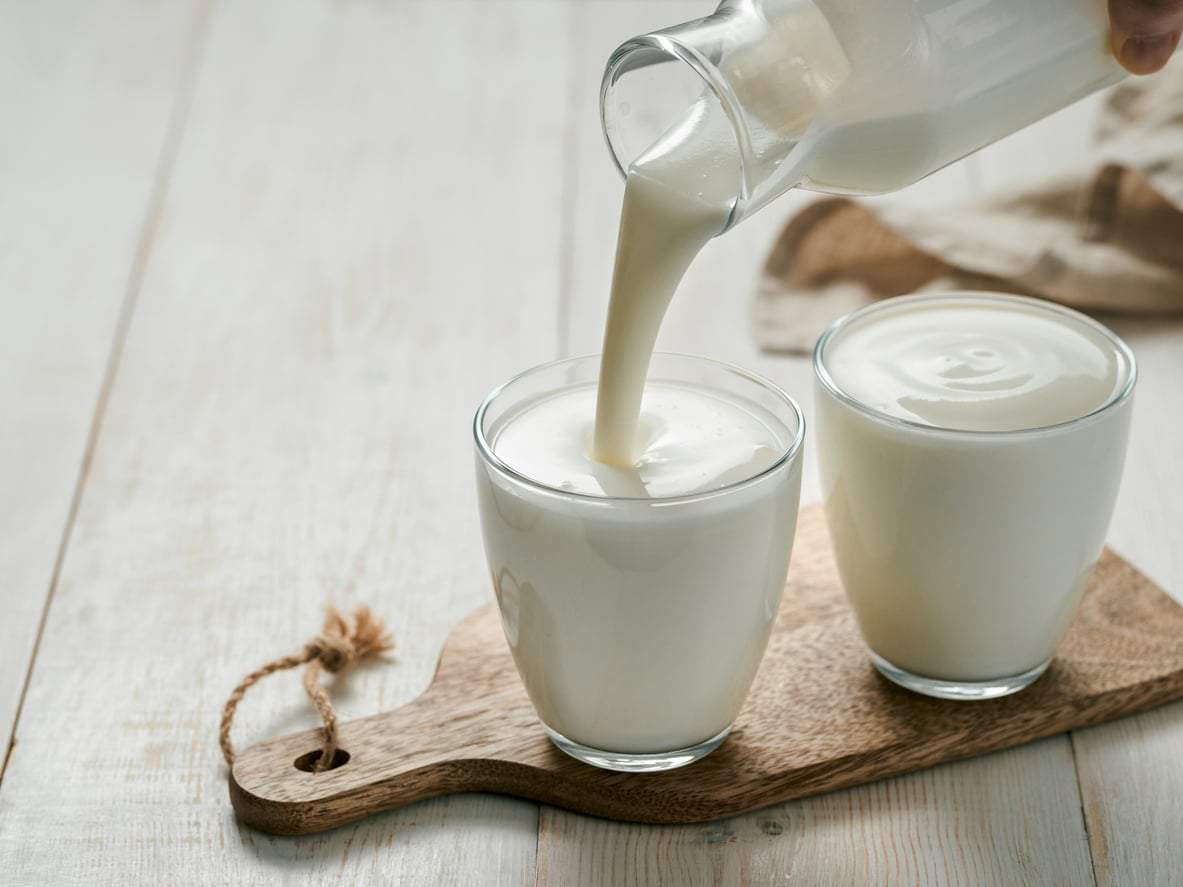
Kefir is a fermented, slightly tangy drink made from milk and kefir grains — a natural culture of bacteria and yeast. To make it, simply add kefir grains to milk and leave it to ferment at room temperature for around 24 hours. The result is a thick, yogurt-like drink that's naturally rich in probiotics and much cheaper than the store-bought version.
Kombucha
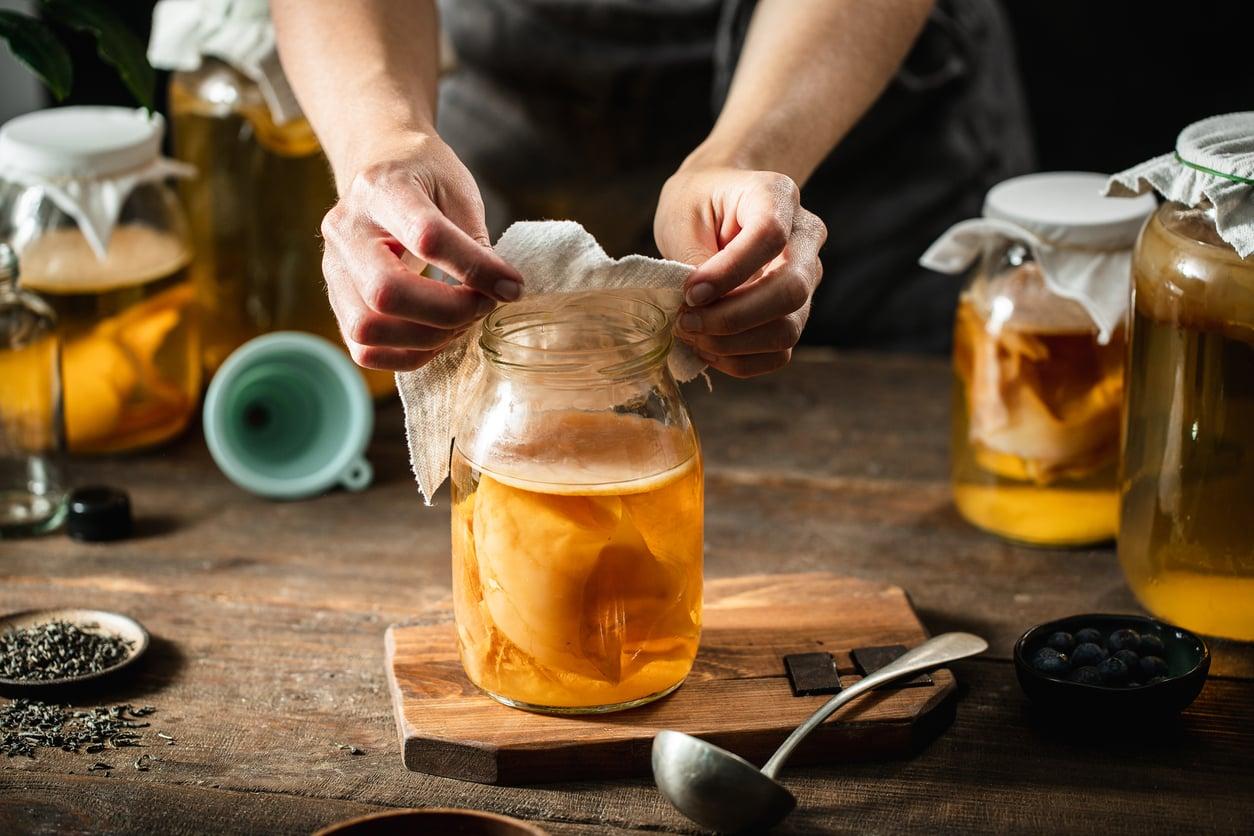
Kombucha is a fermented tea made with sugar and a SCOBY (a symbiotic culture of bacteria and yeast). During fermentation, most of the sugar is broken down, leaving a lightly fizzy, pleasantly tart drink. You can flavour it with fruit, ginger, or herbs for a completely customised result. It takes a little patience — around one to two weeks — but the process itself is straightforward.
DIY gut shots
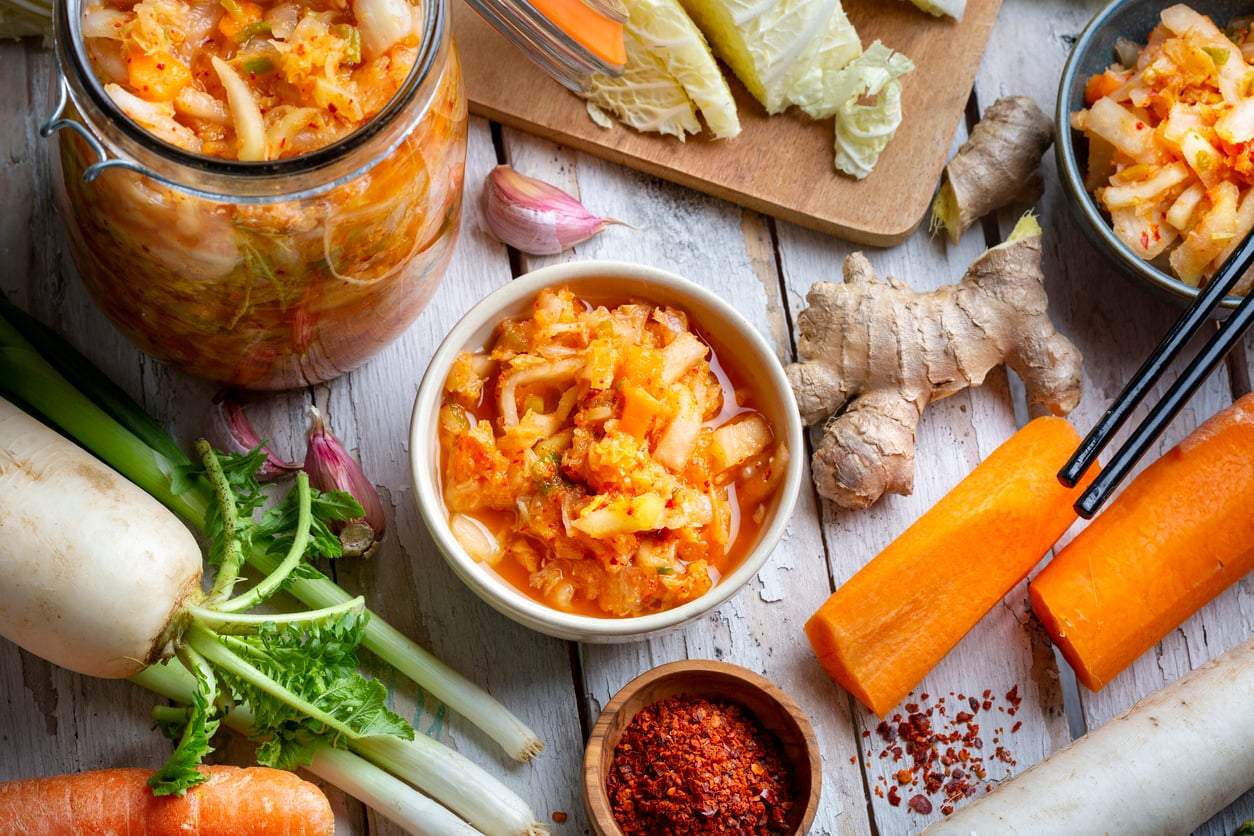
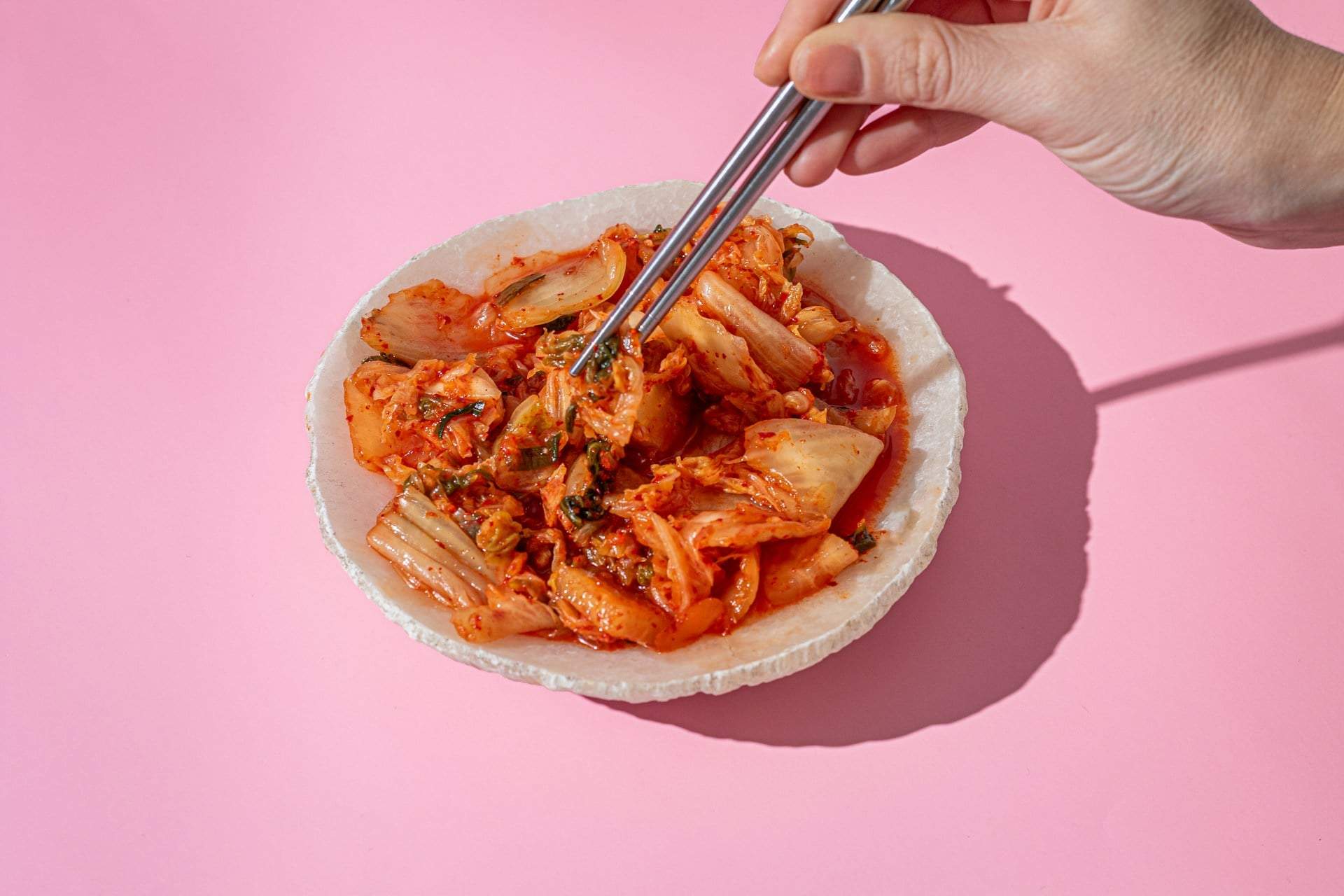
A lesser-known but brilliantly simple option: the brine from naturally fermented vegetables. The liquid from lacto-fermented pickles (not the vinegar-pickled kind) contains naturally occurring probiotics. A small shot of this brine each day can deliver a similar effect to expensive gut health shots — at a fraction of the cost.
What to keep in mind
Whether you buy probiotic drinks or make them yourself, a few principles are worth following. Make sure the drink actually contains live cultures, keep the sugar content low, and consume it regularly — but in reasonable amounts.
Experts are clear that probiotic drinks are not a substitute for a balanced diet. The best results come when you pair them with a diet rich in fibre, vegetables, and a variety of fermented foods.
Probiotic drinks can be a genuinely useful addition to your daily routine — just don't expect them to do all the work on their own. Making them at home is easier than most people think, and often far healthier than anything you'll find on a supermarket shelf.