As April arrives, nature bursts into bloom, and with it, pollen season kicks off. Many people struggle with hay fever, itchy eyes, runny noses, coughing, or skin rashes during this time. While medications and immunotherapy remain essential, nutrition also plays a key role in easing symptoms.
Anita Ipsits, CEO and owner of Szafi, reminds us that a mindful diet doesn’t replace medical treatment but can effectively support the immune system and the body’s natural anti-inflammatory processes. She emphasizes that the right diet can make pollen season less taxing and daily life more comfortable.
Mediterranean Diet: Natural Inflammation Relief
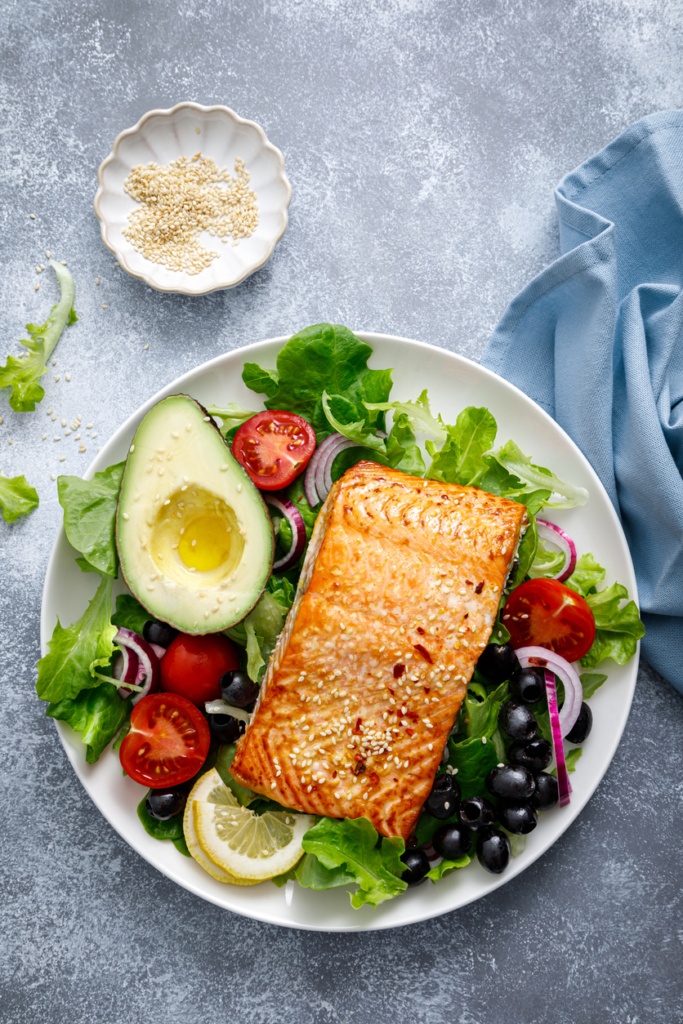
The Mediterranean diet is especially beneficial for easing allergy symptoms. It’s rich in:
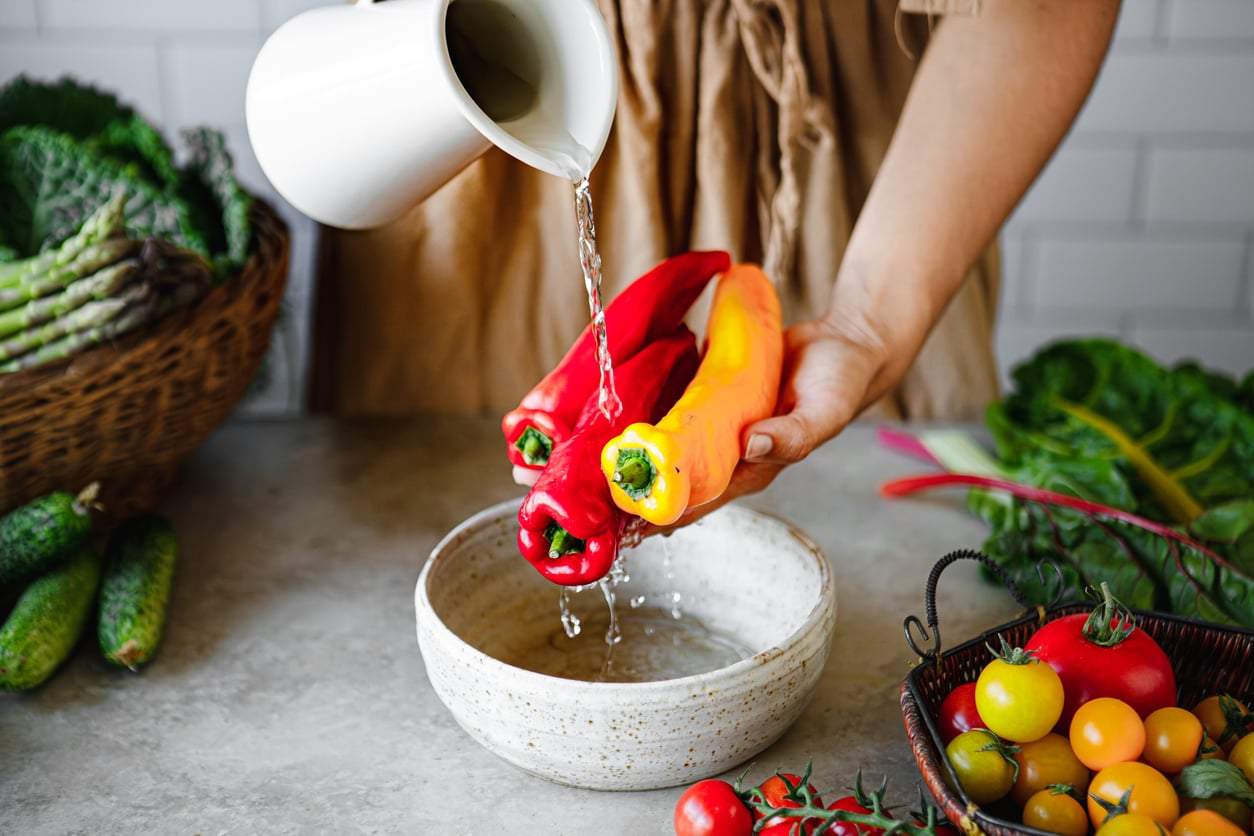
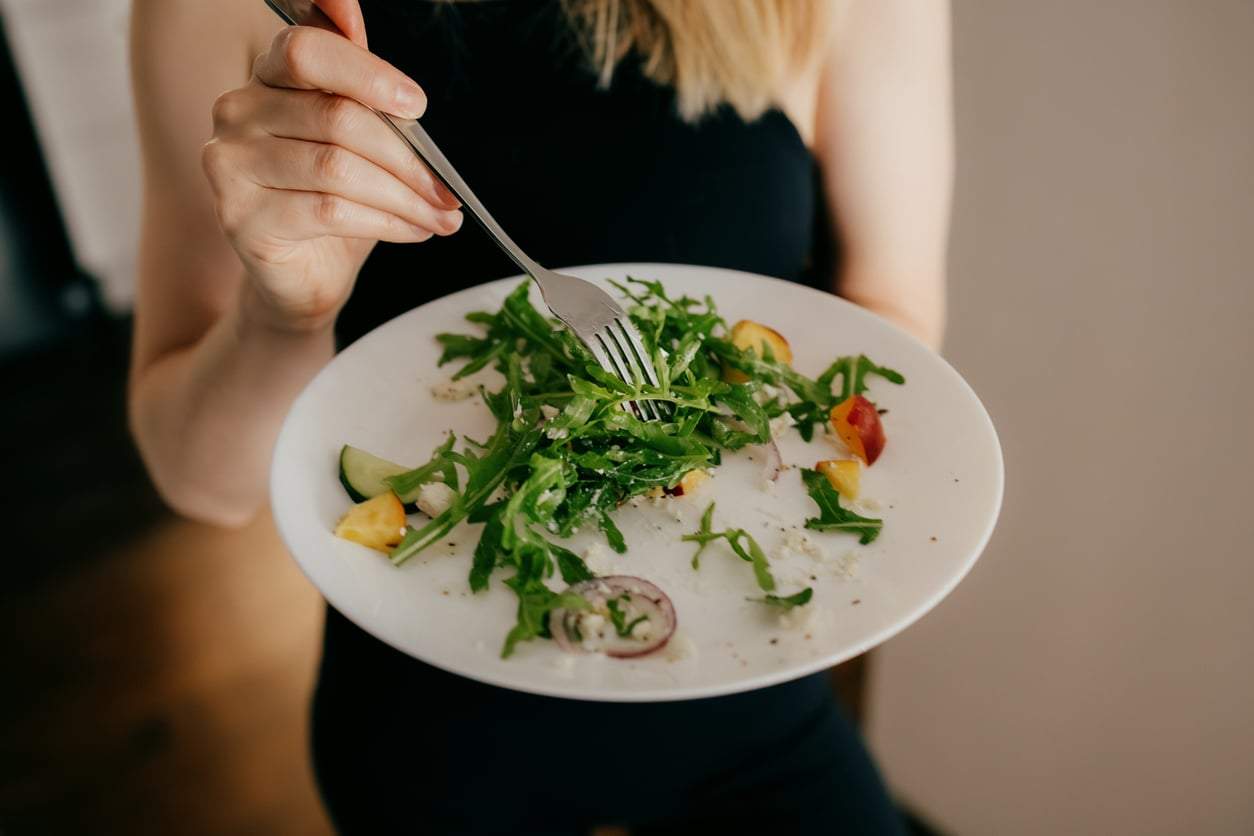
- fresh vegetables and fruits (like asparagus, carrots, strawberries, blueberries),
- whole grains (buckwheat, brown rice),
- fish and seafood, packed with omega-3 fatty acids,
- nuts,
- olive oil, which provides healthy fats and antioxidants.
These foods not only help reduce inflammation but also ease allergy symptoms. You can notice improvements quickly, especially in relieving itchy eyes and noses.
Bioactive Compounds: Polyphenols from Nature
Polyphenols like quercetin play a standout role in controlling allergic reactions. These antioxidants can:
- reduce histamine release,
- limit production of inflammatory mediators,
- support immune system balance.
Quercetin is found in apples, onions, berries, and buckwheat. Regularly enjoying polyphenol-rich foods in spring can prepare your body for pollen exposure and help ease symptoms.

The Role of Gut Flora in Allergies
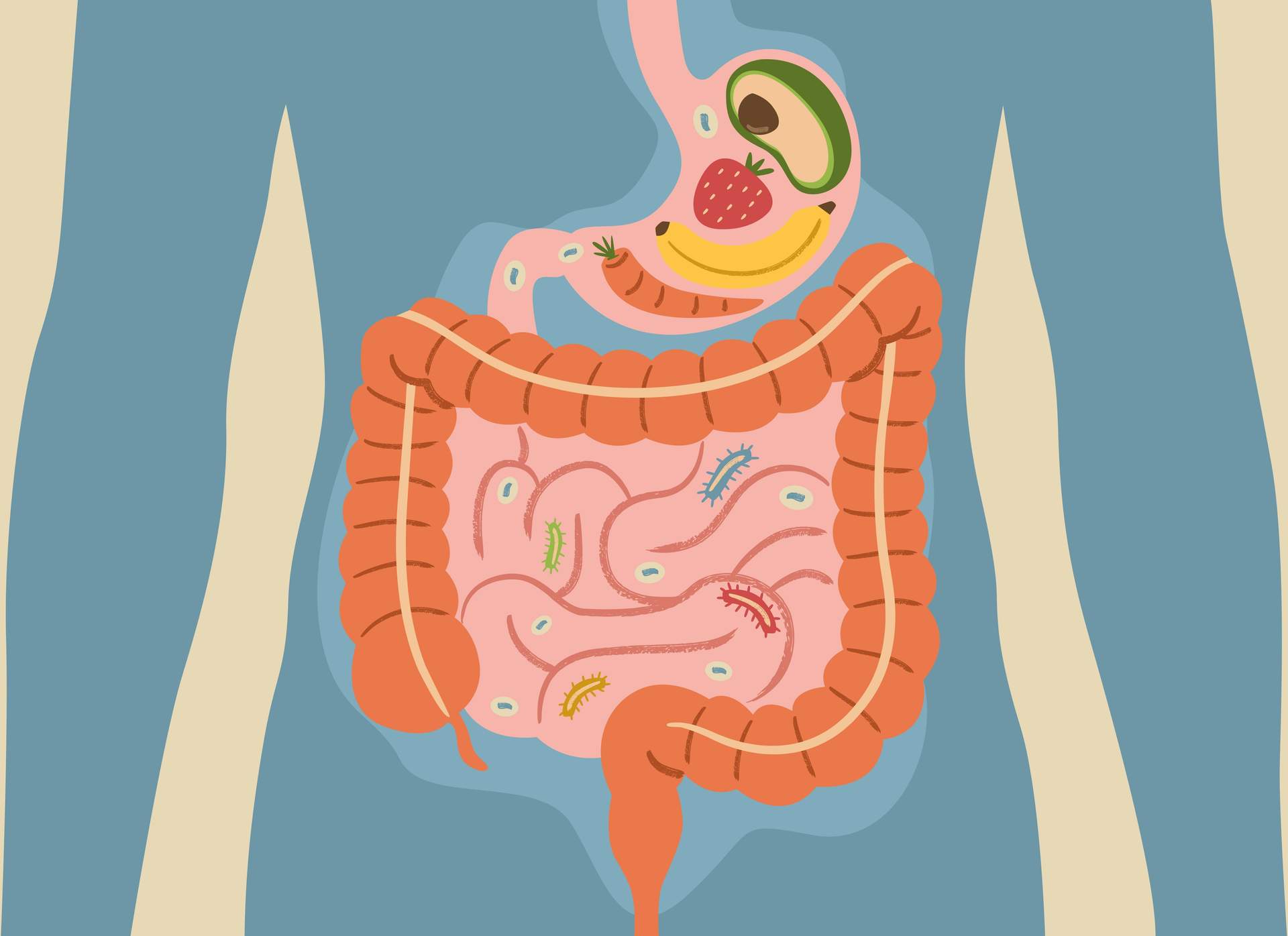
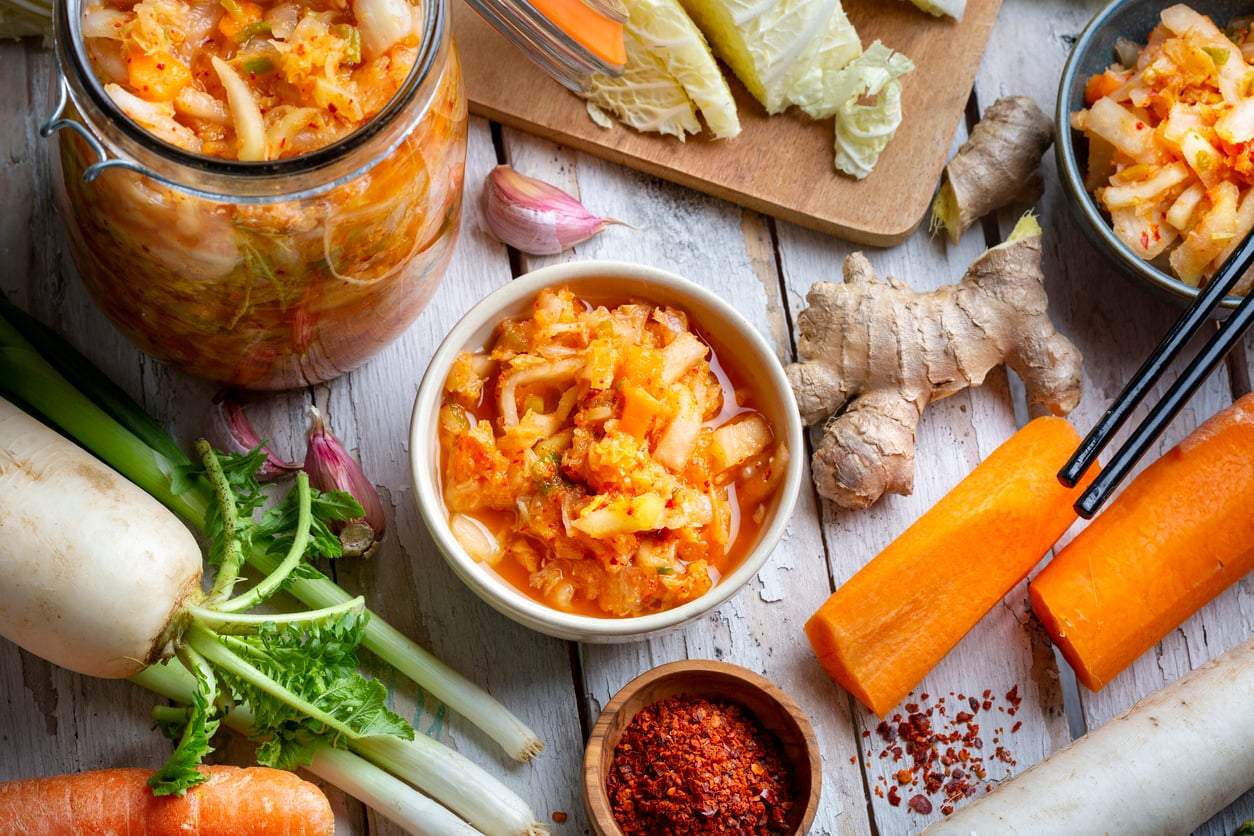
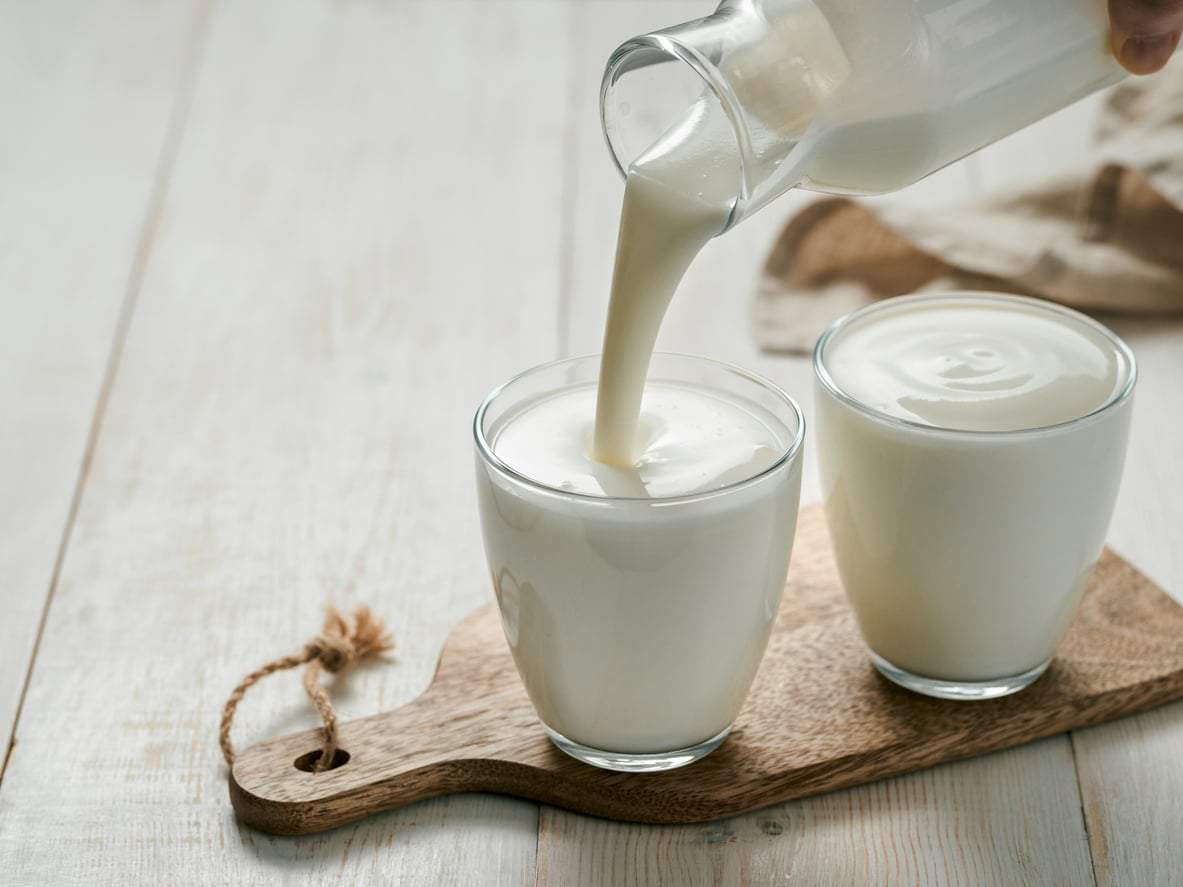
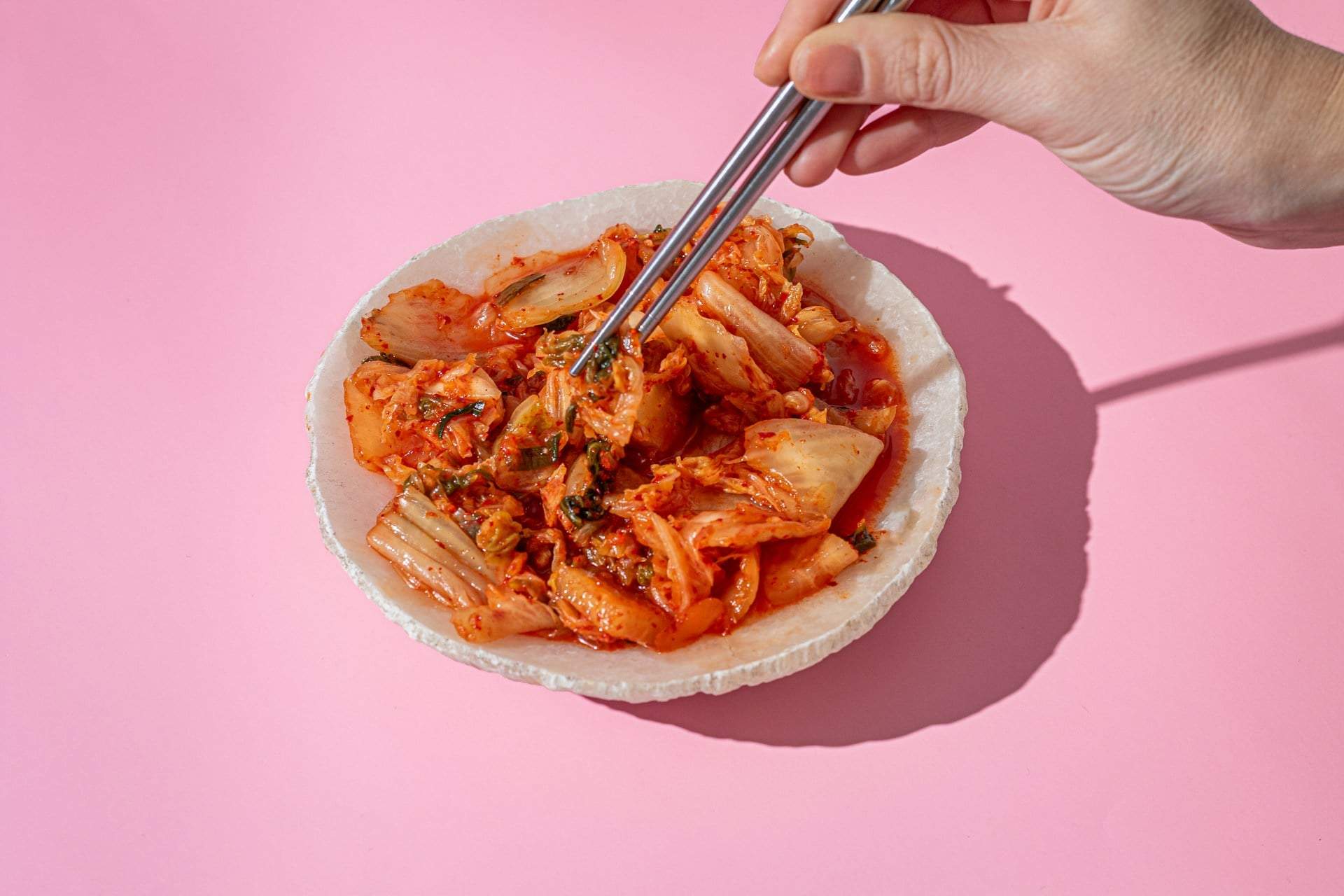
Your gut microbiome directly influences immune responses and the severity of allergic reactions. A fiber-rich diet and fermented foods (like yogurt, kefir, and pickled veggies) encourage a diverse gut flora, which can lead to a more balanced immune response.
Anita Ipsits highlights that maintaining gut health is key to reducing inflammation and lessening pollen season’s impact.
Regularly eating probiotic-rich foods can boost your well-being and ease symptom severity.
Micronutrients for Inflammation Relief
Getting enough micronutrients is also essential for calming inflammation and supporting your immune system:
- Vitamin D: a key player in immune regulation,
- Vitamin C, zinc, selenium: antioxidants that help reduce inflammation.
Combining micronutrients with fiber-rich, fermented foods is especially effective in spring for supporting your immune system and natural anti-inflammatory processes.
Fermented Foods and Probiotics: Natural Support During Pollen Season
Fermented foods are fantastic allies for gut and immune health. Regularly enjoying yogurt, kefir, and pickled vegetables promotes a balanced immune response and can ease the intensity of allergic reactions. Plus, they help maintain your body’s natural defenses, which is especially important during spring’s pollen rush.
Fighting Allergy Symptoms with Food
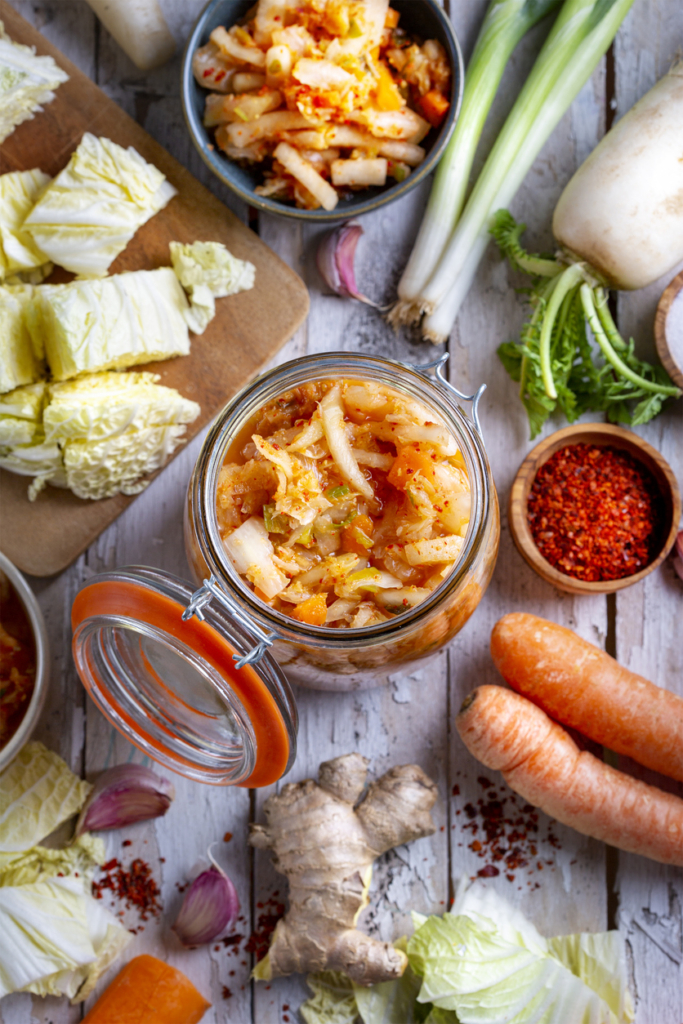
As spring arrives, it’s worth choosing your foods even more mindfully. The Mediterranean diet, fermented foods, and polyphenol-rich plants can:
- support gut flora balance,
- reduce inflammatory processes,
- help ease uncomfortable allergy symptoms.
A mindful diet is a natural, effective complement to medication, and even small changes can noticeably improve how you feel during pollen season.
By gradually adding fiber-rich, fermented, and antioxidant-packed foods to your daily routine, you’re more likely to breeze through spring allergy season with ease.