Most of us don't think twice about expiration dates on everyday staples. But a handful of foods sitting quietly in your kitchen right now could survive for centuries — maybe longer. Stored correctly, these three ingredients essentially never go bad. And in an emergency, that makes them more valuable than almost anything else on your shelf.
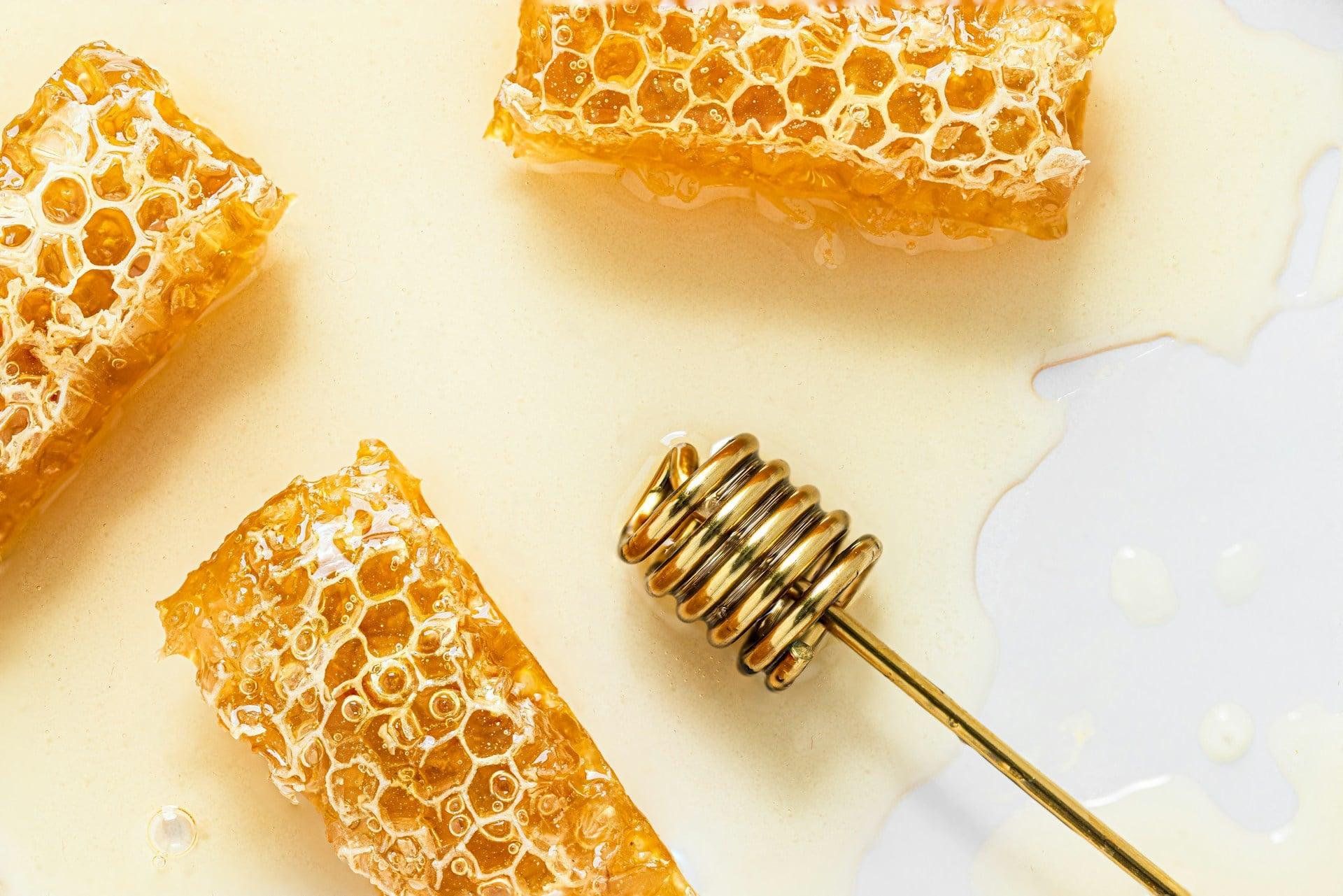
1. Honey — liquid gold that never expires
Honey is arguably the most impressive food on the planet when it comes to shelf life. Archaeologists have found honey in ancient Egyptian tombs that was over 3,000 years old — and still perfectly edible. That's not a myth. That's archaeology.
The reason honey lasts so long comes down to chemistry. Its extremely low moisture content creates an environment where bacteria and microorganisms simply cannot survive. On top of that, honey is naturally antibacterial, which is why it has also been used for centuries to clean and soothe minor wounds.
In the kitchen, honey is endlessly versatile — a natural sweetener for drinks, baking, marinades, and dressings. It's also a far more nutritious alternative to refined sugar. Just keep it in a sealed jar at room temperature. Skip the fridge: cold temperatures cause honey to crystallize, which doesn't ruin it, but makes it harder to use.
2. Salt — the ingredient that built civilizations
Salt has no water. No water means no microbial growth. No microbial growth means salt cannot spoil — ever. It is, chemically speaking, immortal.
Across history, salt was so precious it was used as currency, traded along ancient routes, and carried on warships to keep soldiers and sailors fed on long voyages.
Today, salt still plays a critical role in food preservation — think pickles, cured meats, and fermented vegetables. It's also the single most important flavor-enhancing ingredient in cooking. A well-stocked pantry without salt isn't a pantry at all.
One practical note: store salt in an airtight container away from humidity. In a damp environment, it can clump together, which is annoying but doesn't affect its quality or safety in the slightest.
3. White rice — the staple that quietly lasts decades
White rice, when stored properly in a cool, dry, and airtight environment, can last 25 to 30 years — and some studies suggest even longer under ideal conditions. Its low moisture content makes it nearly impossible for microorganisms to take hold.
It's no coincidence that rice is the dietary backbone of more than half the world's population, particularly across Asia, where it carries deep cultural and traditional significance beyond its role as simple nourishment.
For long-term storage, the key is keeping moisture out. Transfer rice from its original packaging into sealed glass jars or food-grade containers, and store it somewhere cool and dark. That's really all it takes.
How to store these foods for the long haul
Each of these three ingredients is naturally resilient, but a little care goes a long way in preserving their quality over time.
- Honey: Room temperature, sealed jar, away from direct sunlight. Never refrigerate.
- Salt: Airtight container in a dry cupboard. Keep it away from steam and humidity.
- White rice: Sealed container, cool and dark location. Moisture is the only real enemy.
None of these require special equipment or a survival bunker. A few good containers and a dry shelf are all you need.
Why these pantry staples matter more than you think
In a world where fresh ingredients dominate our shopping lists, it's easy to overlook the quiet power of these ancient staples. But honey, salt, and rice represent something remarkable — the intersection of nature's chemistry and human knowledge, producing foods that are genuinely built to last.
Whether you're thinking about emergency preparedness, reducing food waste, or simply stocking a smarter pantry, these three ingredients deserve a permanent place on your shelf. They were there for our ancestors. They'll be there for whatever comes next.