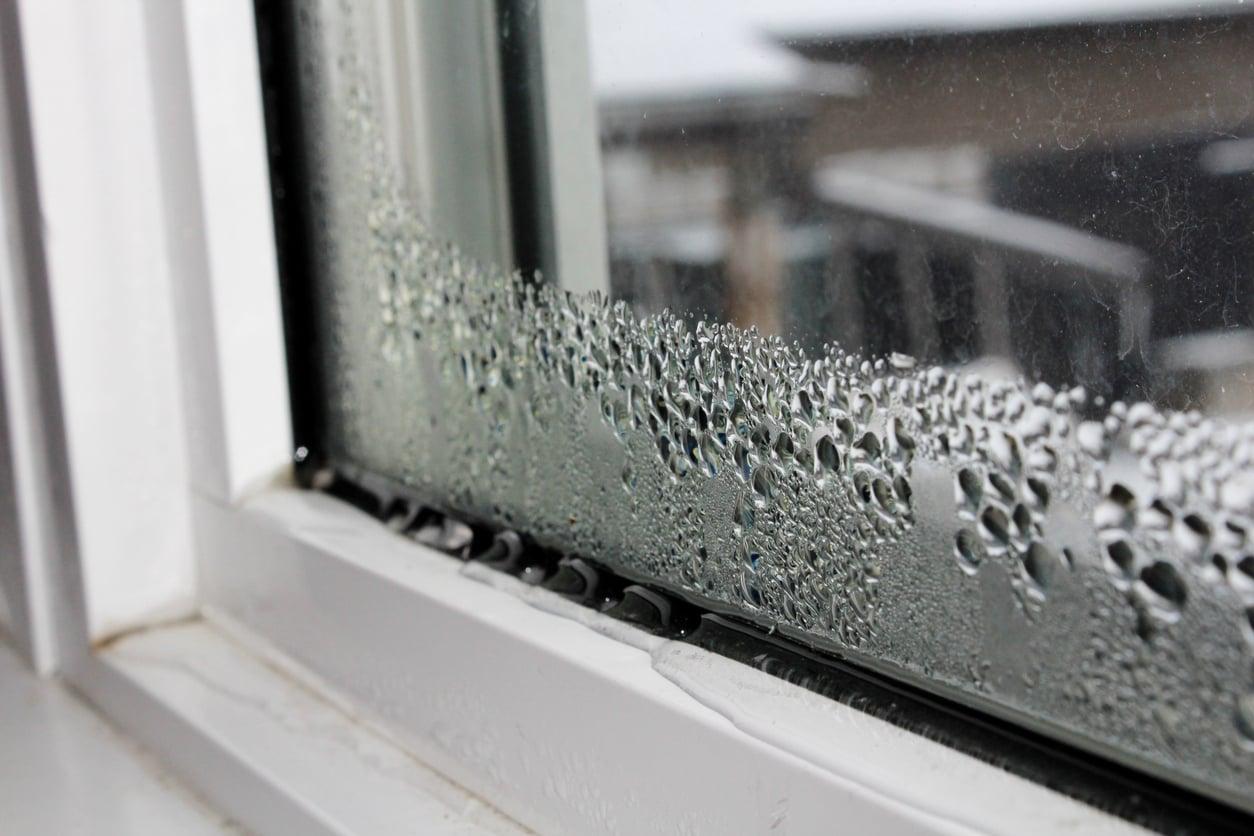
You wake up, walk to the window, and find a film of condensation on the glass — maybe even small puddles sitting on the sill. It's frustrating, it looks bad, and if you ignore it long enough, it can quietly lead to something far worse: mold. Before you spend money on an expensive dehumidifier, there are a handful of simple, practical steps you can take right now to reduce window condensation and protect your home through the colder months.
Why windows fog up in the first place
Condensation forms when warm, moisture-laden indoor air meets a cold surface — like a window pane in winter. During heating season, the bedroom is especially vulnerable: you sleep with the window closed while your breathing continuously adds moisture to the air. Add cooking, hot showers, and laundry drying indoors, and humidity levels can climb quickly.
When that warm, damp air hits the cold glass, the moisture has nowhere to go but down — onto the frame, the sill, and into the corners where mold loves to grow. The good news is that in most cases, the fix doesn't require any special equipment.
Does a plate of table salt actually help?
You've probably seen this tip shared online: place a bowl of table salt near the window to absorb moisture. It sounds simple, and salt can absorb some humidity under the right conditions. The catch? Regular table salt only starts meaningfully absorbing moisture from the air at around 75% relative humidity — well above what you'd typically find in a bedroom. A small dish of salt on your windowsill won't make a measurable difference to the room's overall humidity level.
If you're curious, you can try it — but don't rely on it as a real solution. And don't judge its effectiveness by whether the salt clumps together; clumping alone doesn't mean the room's humidity has dropped significantly.
What actually reduces condensation
The most effective approach is tackling the source of excess moisture in your home. A few simple habits can make a surprisingly big difference:
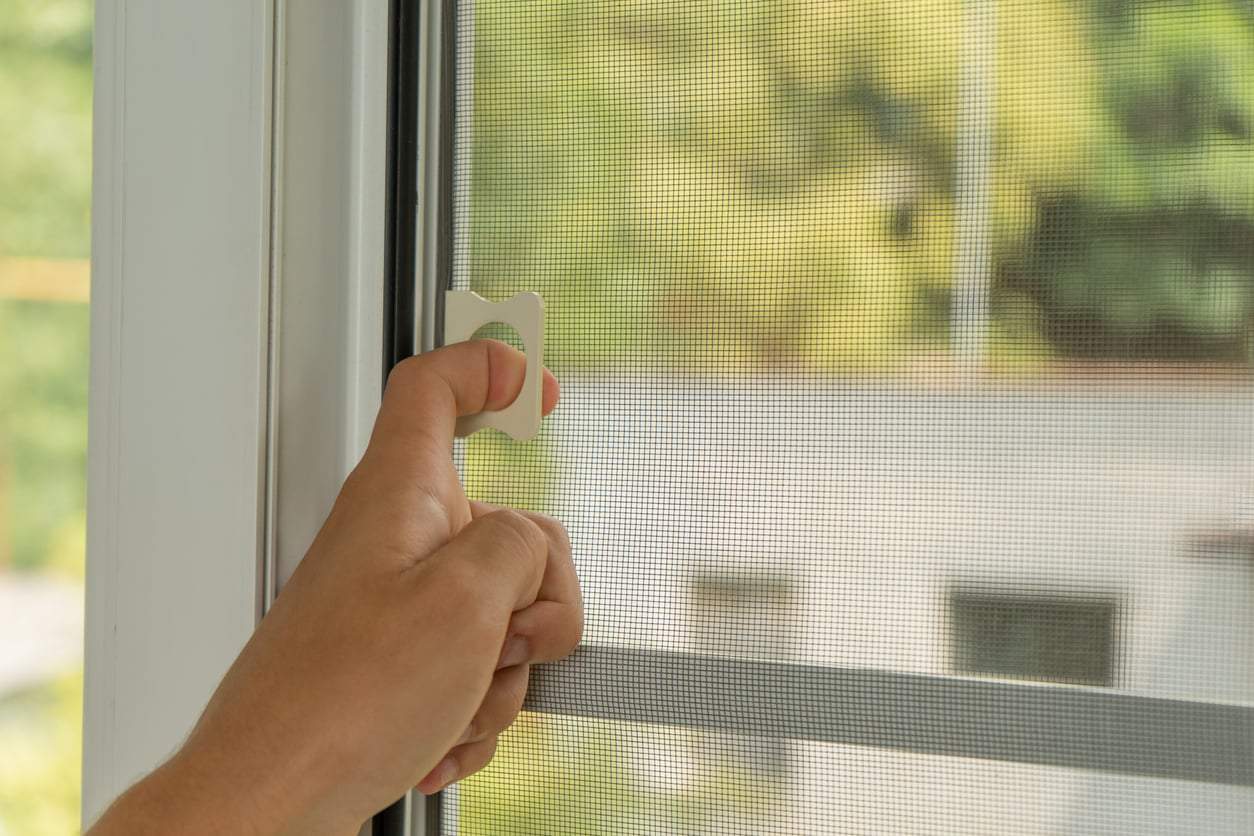
- Ventilate briefly but thoroughly. Open your windows for a few minutes each morning to swap out the stale, humid indoor air for fresher outside air. Use the extractor fan in the bathroom and kitchen whenever you can.
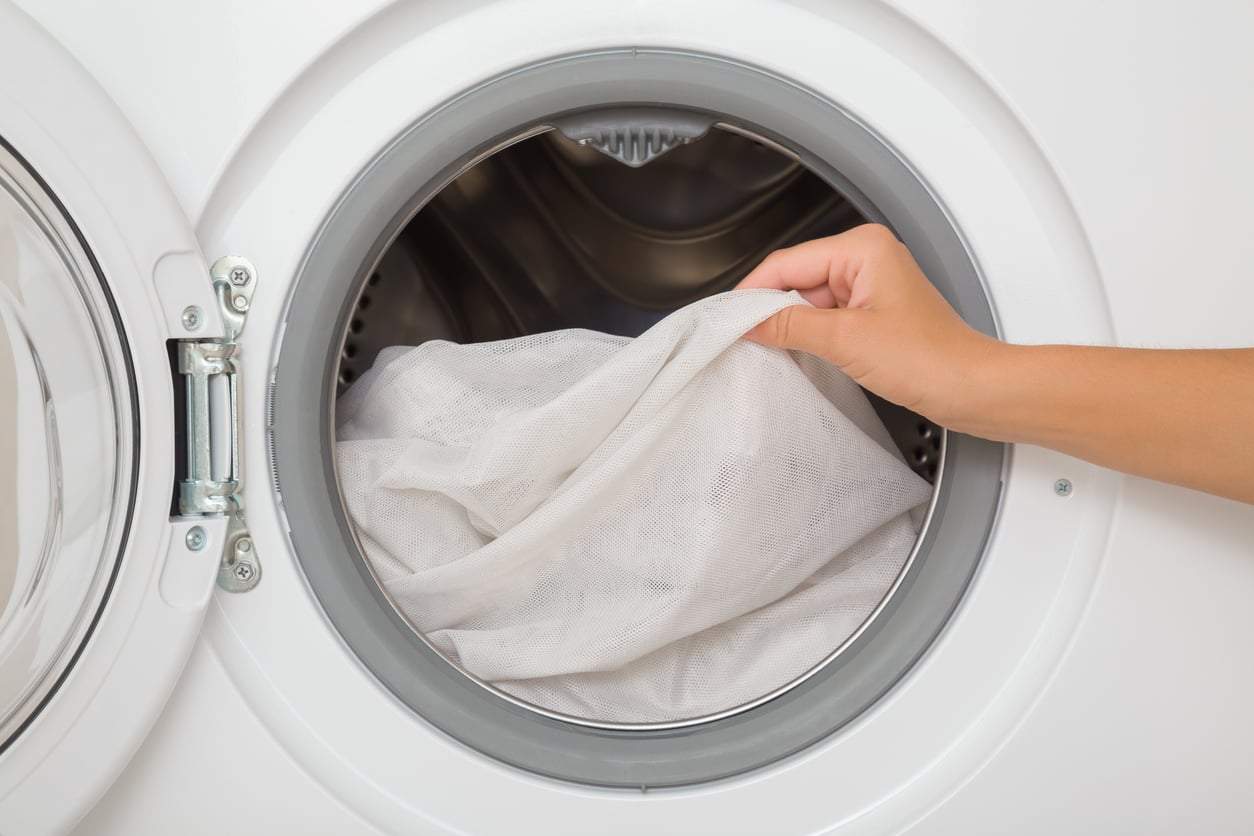
- Don't dry laundry in the bedroom. Wet clothes release a significant amount of moisture into the air as they dry — it's one of the biggest contributors to high indoor humidity.
- Wipe down your windows in the morning. If you spot water droplets on the glass or sill, dry them off straight away. Letting moisture sit on the frame over time is an open invitation for mold.
- Get a humidity monitor. A basic hygrometer (widely available for under $10) tells you exactly what you're dealing with. Aim for 30–50% relative humidity indoors. If it's consistently above 60%, it's time to take action.
Check your window seals too
If condensation keeps reappearing in the same spot, or you can feel a draft along the window frame, it's worth checking the condition of your window seals. Worn, cracked, or missing seals reduce the window's insulating ability — the glass surface gets colder, and condensation forms more easily.
If you can feel a draft where the window closes, a self-adhesive foam draught-exclusion strip (E-profile) pressed onto the frame can reduce the airflow through gaps noticeably and affordably.
Before buying a strip, measure the gap size and match it to your window type — a strip that's too thick can stop the window from closing properly. One important caveat: sealing gaps is not a substitute for ventilation. If you make your home too airtight without ventilating regularly, moisture will still build up and condensation will return.
When should you consider a dehumidifier?
If your windows are still heavily wet every single morning despite regular ventilation, it's worth checking whether your home's overall humidity is persistently high — or whether the glass itself is simply too cold due to poor insulation. In those cases, an electric dehumidifier may genuinely be the most effective long-term solution.
Don't brush off recurring condensation, especially if you're already seeing dark spots around the frame or noticing a musty smell. At that point, you're not just dealing with a humidity problem — there may be an underlying insulation issue that needs professional attention before winter sets in properly.
Is table salt a real fix for window condensation?
No. Regular table salt only absorbs meaningful amounts of moisture at around 75% relative humidity, which is higher than typical indoor levels. A small bowl of salt near a window won't noticeably reduce condensation.
What humidity level should I aim for indoors in winter?
A relative humidity of 30–50% is generally comfortable and healthy. If your hygrometer consistently reads above 60%, condensation and mold risk increase significantly and it's worth taking action.
Can sealing window gaps make condensation worse?
It can if you seal gaps without ventilating regularly. Making a room too airtight traps moisture indoors, which keeps humidity high and can actually worsen condensation. Always pair draught-proofing with brief daily ventilation.
How do I know if my window seals need replacing?
Feel for a draft along the frame when the window is closed, or look for cracked, hardened, or missing rubber seals around the edges. Poor seals lower the temperature of the glass surface, making condensation more likely.