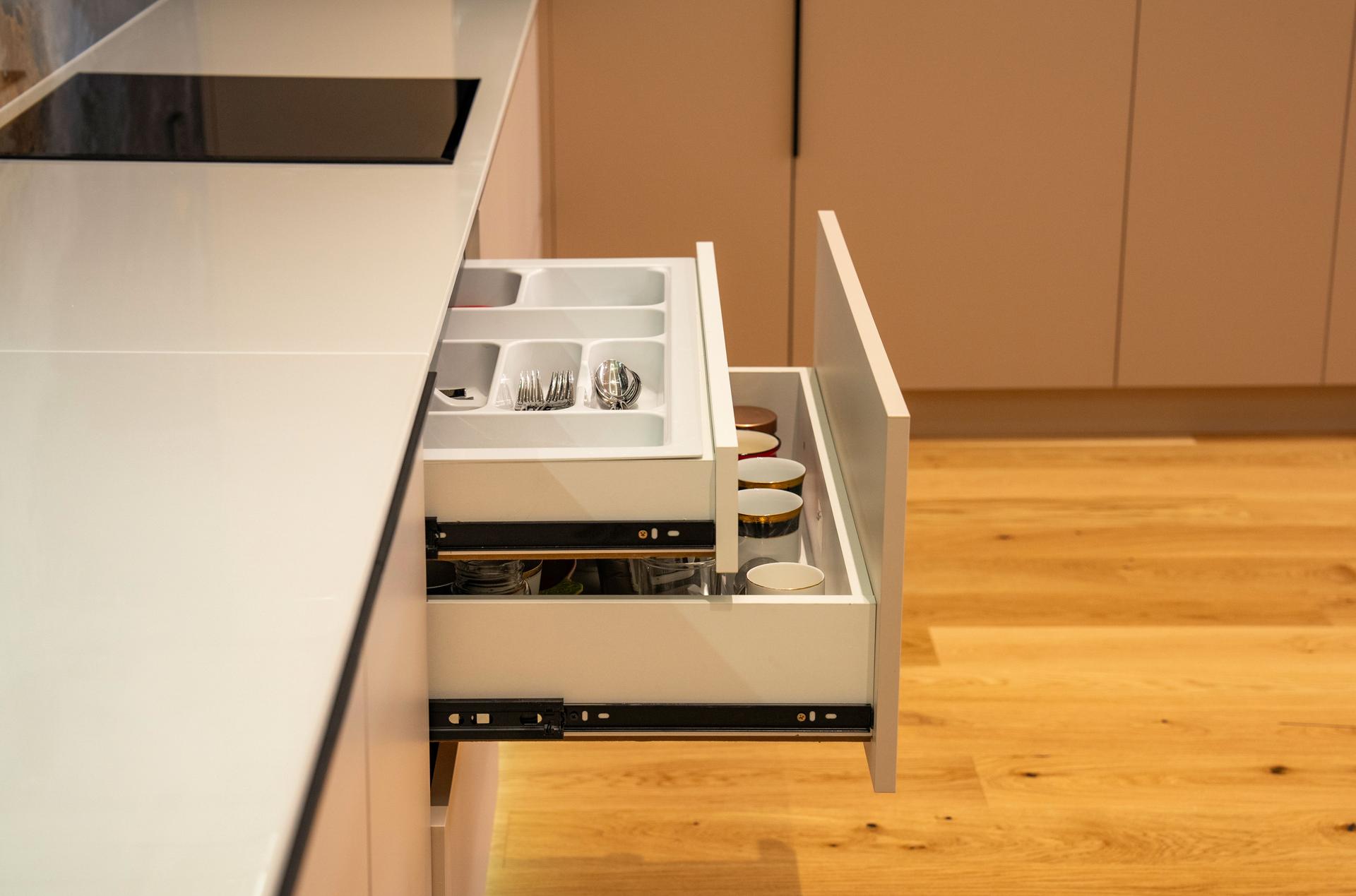
If it feels like there's no room left for a single new item in your home, the problem probably isn't the square footage. Even the smallest apartments are full of overlooked nooks — gaps, heights, and hollow spaces that most people walk past every day without a second thought. With a few simple ideas, you can turn them into genuinely useful storage. Here are the 5 hidden spots you've most likely been ignoring completely.
1. The kick plate beneath your kitchen cabinets
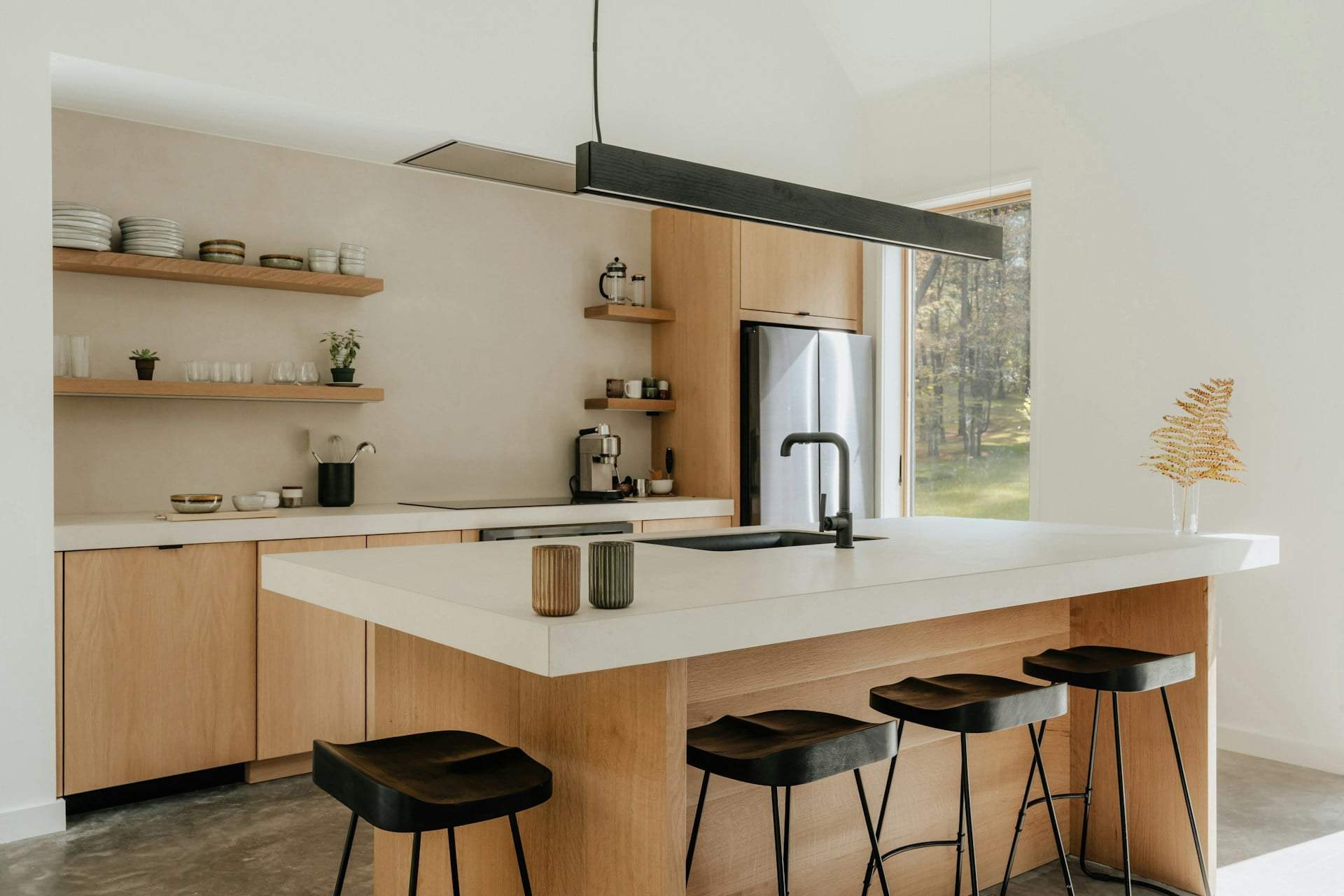
British and Scandinavian kitchen designers have been building these in for years: a slim, pull-out drawer tucked into the gap between the bottom of your kitchen cabinets and the floor. It's the perfect place for baking trays, rarely used sheet pans, or even a child's plastic bath tub — things that always seem to be in the way but don't need to be on display every day.
Not ready to renovate? You don't have to. Ready-made toe-kick drawers on wheels are available that slide right into the existing gap behind your kick plate. It's one of the most consistently wasted hidden storage spots in most homes — and it's essentially free space that came with your kitchen furniture.
2. The back of your doors
Every interior door, wardrobe door, and pantry door is an extra vertical surface that almost nobody uses. Over-door pocket organizers became popular for shoes, but today they're just as useful for cleaning supplies, the ironing board, a hair dryer, or even kids' art supplies and drawing tools.
Both sides of a standard interior door add up to nearly a full square meter (about 10 sq ft) of unused vertical surface — space most people simply treat as air.
One important note: don't hang heavy items here long-term, as the extra weight can strain the hinges over time. But for lightweight everyday essentials, it's a perfect solution — and it requires no drilling or serious installation.
3. Under the bed
This is probably the most well-known hidden spot, yet it's almost always the most poorly used one. The issue isn't that the space isn't there — it's that standard bed frames sit so low that only flat, shallow boxes fit underneath, and those barely hold anything useful.
Beds with raised legs, built-in storage drawers, or hydraulic lift-up bases solve this completely: the entire mattress base lifts up, revealing enough room to store a whole season's worth of clothing underneath. If you're keeping your current bed, rolling fabric storage boxes make far better use of the gap than flat plastic containers — they're taller, easier to pull out, and actually hold a meaningful amount.
Looking for more ways to maximize a small bedroom? A little reorganization can go a long way.
4. The gap between the top of your wardrobe and the ceiling
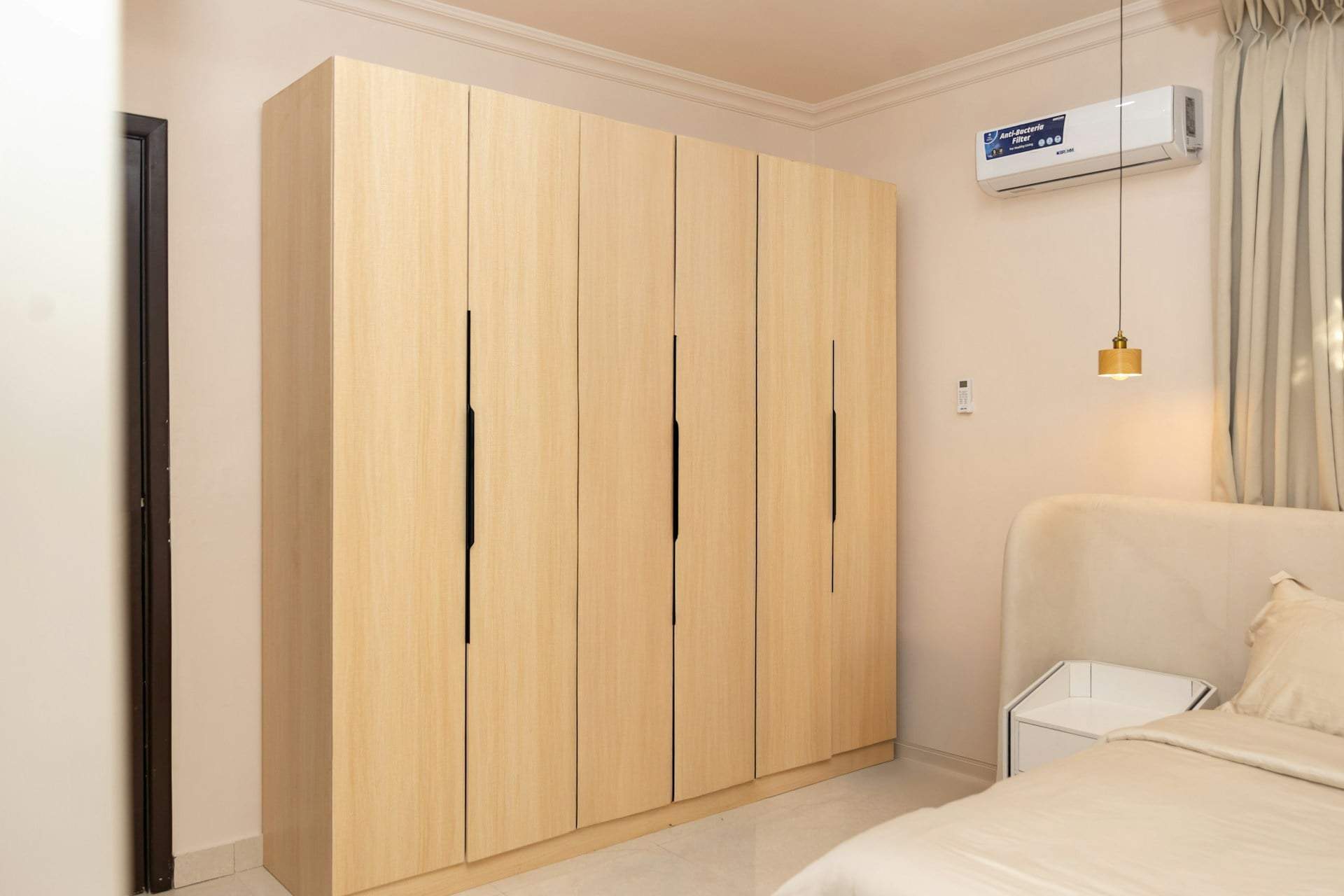
Most wardrobes and built-in units don't reach all the way to the ceiling. That strip of space between the top of the wardrobe and the ceiling — often 12 to 16 inches (30–40 cm) — is almost always completely empty. It's ideal for the things you reach for rarely: suitcases, seasonal decorations, spare pillows, or extra blankets.
Since this area sits above eye level, it's worth using uniform, streamlined boxes — mismatched clutter up there draws the eye in an unpleasant way. A row of identical matte storage boxes actually looks intentional and almost decorative, rather than like an overflow zone.
5. The narrow strip above and below your radiator
There's almost always a slim, unused surface around radiators that most people treat as a dust collector. Narrow, heat-resistant shelves mounted above the radiator work beautifully for books, small decorative objects, or shoes near the front door. The space below the radiator can be made useful with flat, low baskets — a great spot for scarves, gloves, or out-of-season slippers.
The key is to choose heat-resistant materials and leave a few inches of clearance between the wall and the shelf so warm air can circulate freely and your heating stays efficient.
None of these five spots seems like much on its own. But together, they can easily replace a full extra wardrobe in a small apartment — no renovation required. All it takes is a fresh look around your home and the willingness to notice the spaces you've been treating as empty air.
How much space can under-bed storage actually hold?
It depends on the bed frame, but a standard hydraulic lift-up base or a bed with built-in drawers can hold an entire season's worth of clothing, spare bedding, or bulky items that would otherwise take up wardrobe space.
Do over-door organizers damage the door or hinges?
Most over-door organizers are designed to hang without drilling and won't damage the door itself. However, overloading them with heavy items over a long period can strain the hinges, so it's best to use them for lighter everyday items.
What's the best way to use the space above a wardrobe?
Uniform, matching storage boxes work best — they keep the area looking tidy rather than cluttered. Reserve this spot for things you don't need regularly, like seasonal decorations, spare blankets, or suitcases.
Are heat-resistant shelves above radiators safe to use?
Yes, as long as you choose heat-resistant materials and leave a gap of a few inches between the shelf and the wall so warm air can circulate freely. This keeps both the shelf and your heating system functioning properly.
Can these storage ideas work in a rented apartment?
Most of them are completely renter-friendly. Over-door organizers, rolling under-bed boxes, and toe-kick drawers on wheels require no permanent installation, so they're easy to take with you when you move.