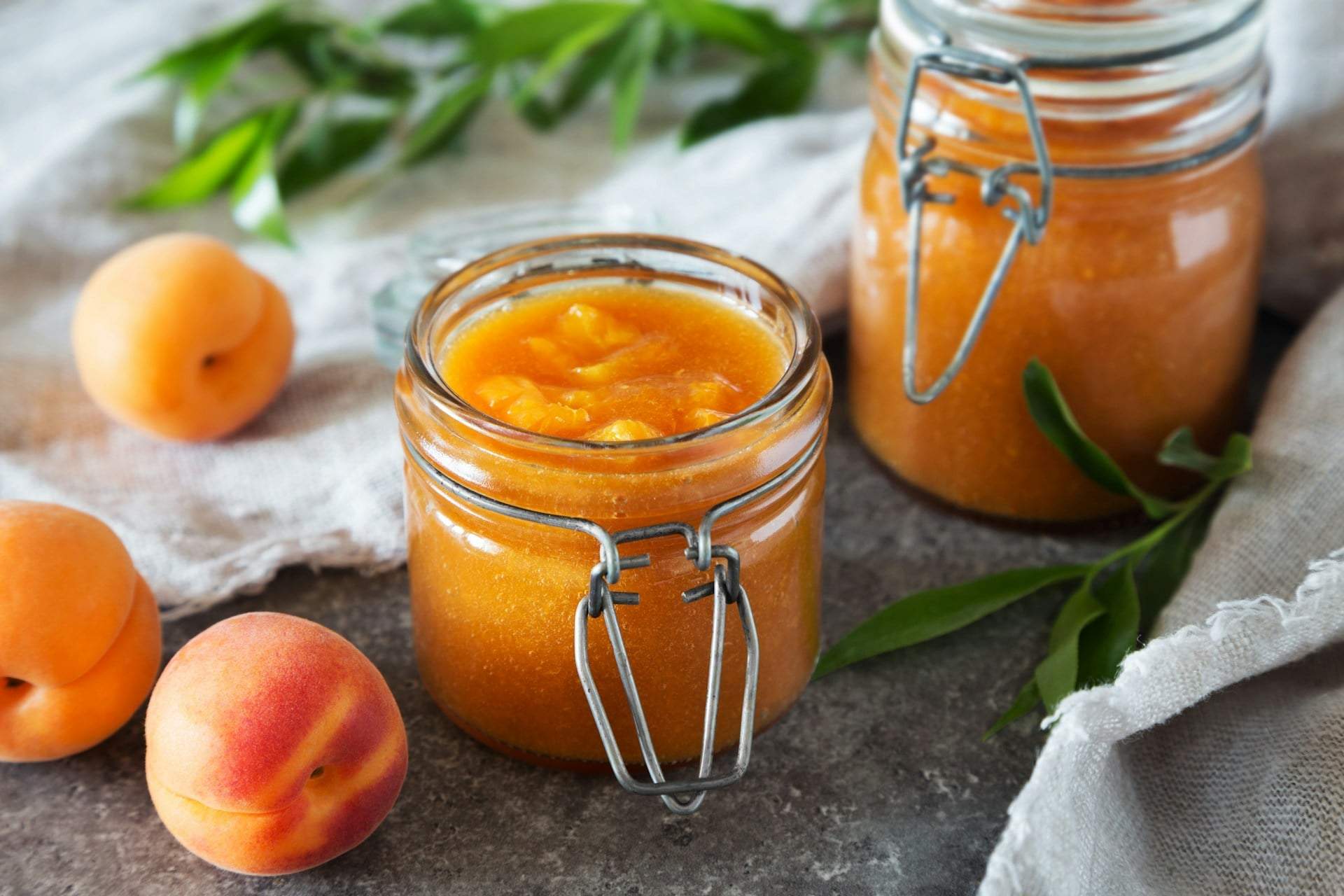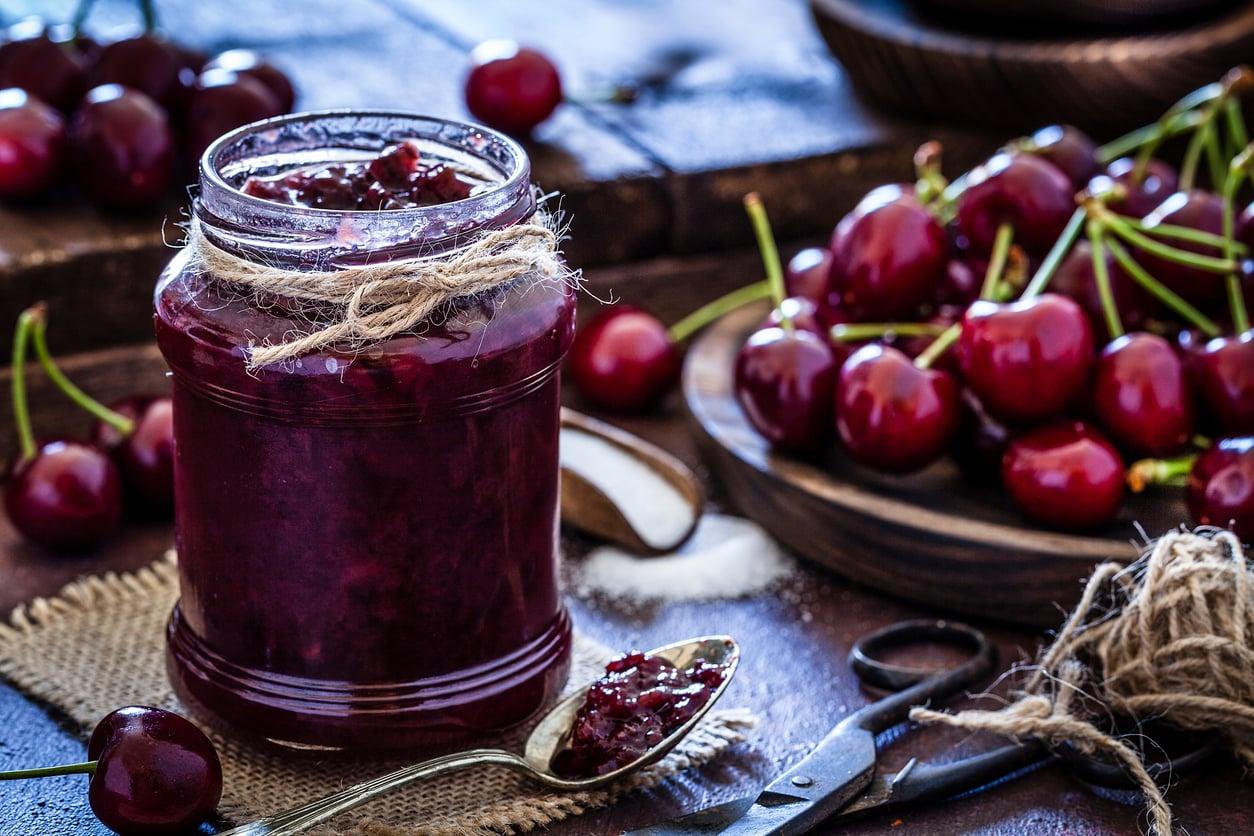
You open a jar of jam you carefully put up last summer, and the top has turned a dull, grayish brown. It's a familiar sight for anyone who makes their own preserves, and it usually sparks the same worried question: is it still safe to eat?
The good news is that a color change on the surface is often harmless. But knowing why it happens and how to prevent it can save your jam from looking sad long before it actually goes bad.
Why does jam change color?
A shift in your jam's color is most often the natural result of oxidation. It begins when oxygen in the air comes into contact with the jam and reacts with the natural pigments, vitamins and other compounds inside it. Over time, those vivid red, purple or orange tones can fade or turn brownish.
Oxidation speeds up especially when the jar isn't sealed properly, when it sits open in the fridge for a long time, or when it's opened again and again.
Light and warmth can accelerate the process too, which is why jam should always be kept somewhere cool and dark, and refrigerated once opened.
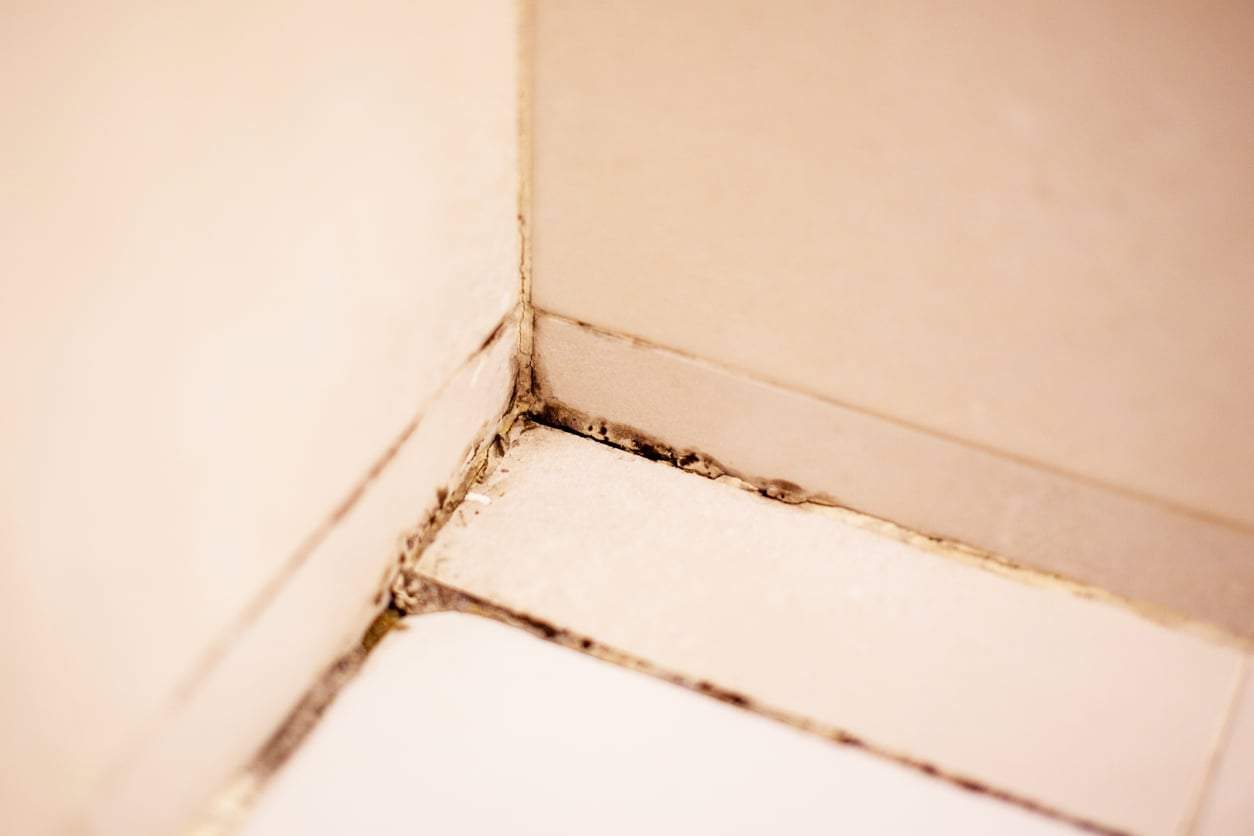
It's worth knowing that a mild color change on its own doesn't mean the jam has gone off. However, if the discoloration comes with visible mold, an unpleasant smell, or a clear change in texture and taste, it's no longer worth eating.
How to prevent discoloration
Fortunately, there are a few reliable tricks that help keep your jam looking as good as it tastes.
- Keep air out: Always make sure the jar seals tightly and the lid is properly secured.
- Use sterilized jars: Thoroughly sterilizing both the jar and the lid limits the bacteria and yeasts that can trigger oxidation.
- Fill the jar right up: Less air space in the jar means less chance of oxidation. Fill it so only a small gap remains beneath the lid.
- Store in the dark: Sunlight also encourages oxidation, so a cool, dark spot is ideal for your jars.
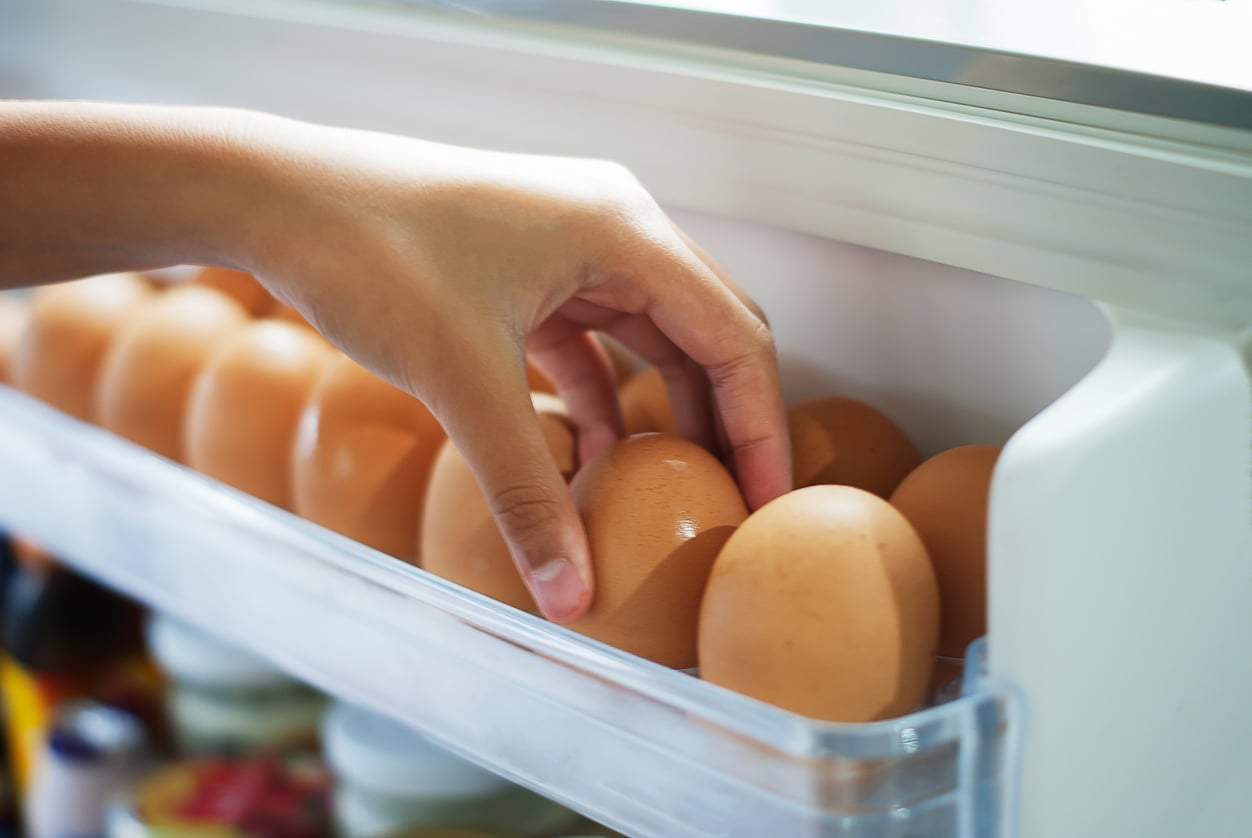
These same habits are useful across your whole pantry. If you want to get more out of your kitchen, it's worth learning which foods really shouldn't be stored in the fridge door.
Is discolored jam safe to eat?
Discoloration on the top of your jam doesn't necessarily mean the food has spoiled. The color shift from oxidation usually affects only the appearance, without changing the taste or texture. Even so, it's always smart to check the smell and consistency before digging in.
Tips for longer shelf life
For long-term storage, don't forget to check your jars from time to time. If you spot any mold or notice a strange smell, it's better to throw that jar out and reach for another.
Does the brown layer on jam mean it's gone bad?
Not necessarily. A brown or grayish top is usually just oxidation, which mainly affects appearance. It only becomes a concern if there's mold, an off smell, or a clear change in taste and texture.
Why does homemade jam oxidize faster once opened?
Once a jar is opened, air reaches the surface repeatedly, and every reopening speeds up the reaction. Storing it open in the fridge for a long time also gives oxygen more time to change the color.
How can I keep my jam looking bright for longer?
Seal jars tightly, use sterilized jars, fill them almost to the top to reduce air space, and store them somewhere cool and dark. Once opened, keep the jam refrigerated.
Do I have to throw away jam if the top looks discolored?
No. If the smell, texture and taste are still fine, a slightly faded surface is generally safe. Only discard the jar if you see mold or notice a clearly unpleasant smell.