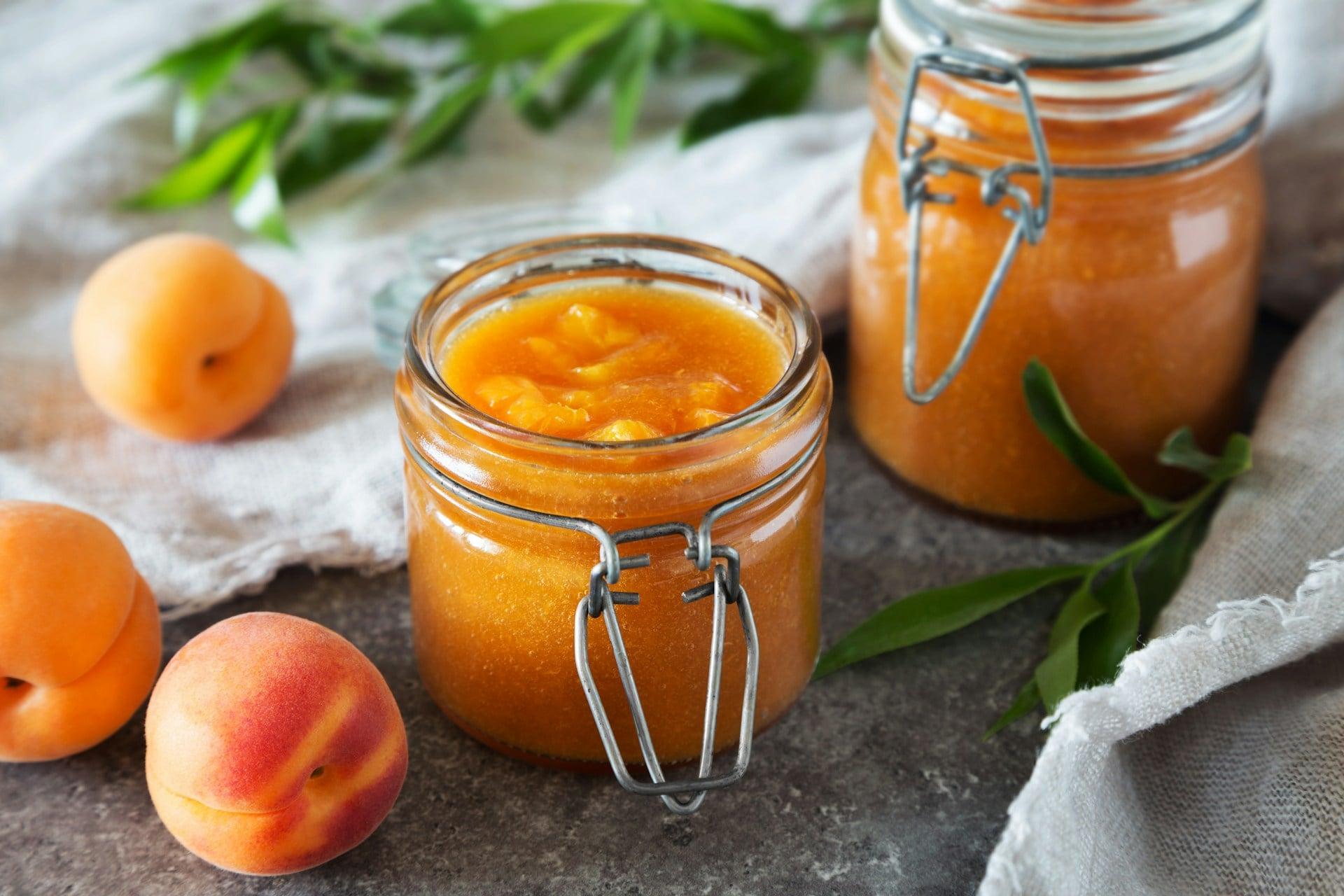
Jam-making is one of summer's most satisfying rituals — fresh fruit, a warm kitchen, and jars lined up on the counter. But when it comes to getting that perfect set, most of us automatically reach for sugar. The good news? There are natural gelling alternatives that work beautifully, keep sugar levels lower, and can even make your preserves more interesting.
Pectin: the classic that never goes out of style
Pectin is probably the best-known natural gelling agent, and for good reason. It's a carbohydrate compound found naturally in fruit cell walls that releases during cooking and creates that familiar jammy texture. Because it has virtually no flavor of its own, pectin lets the fruit shine through completely.
Best used for: Strawberry jam is a perfect match. Strawberries already contain natural pectin, so with the right temperature and a touch of acidity, the jam sets beautifully on its own — no heavy sugar load required.
Chia seeds: the superfood that doubles as a gelling agent
Chia seeds have earned their superfood reputation for good reason — they're nutritious, versatile, and surprisingly effective as a gelling agent. When soaked in liquid, chia seeds form a thick, gel-like coating around themselves, which creates a soft, lightly textured set. They're especially useful when you want a no-cook jam, simply stirring fresh ingredients together rather than cooking them down.
Best used for: Apricot jam. The bright, sweet flavor of apricot pairs wonderfully with chia's subtle texture, and the result is a preserve that feels fresh, wholesome, and genuinely unique.
Agar-agar: the plant-based solution
Agar-agar is derived from seaweed and has long been a staple in vegan and vegetarian cooking as a gelatin substitute. It's heat-activated — meaning you cook it with the fruit — and produces a firm, clean set once it cools. The texture is slightly firmer than pectin-set jam, which makes for a satisfying, sliceable preserve.
Best used for: Strawberry and raspberry jams respond especially well to agar-agar. Both fruits hold their vivid color and intense flavor beautifully, while the agar ensures a reliable, consistent set every time.
Cornstarch: the underrated pantry staple
Cornstarch is most commonly thought of as a thickener for sauces and soups, but it works surprisingly well in jam too. Used in the right proportions, it creates a smooth, slightly translucent set that doesn't interfere with the fruit's natural flavor — making it a great low-fuss option for those who already have it on hand.
Best used for: Plum and cherry jams are ideal candidates. Cornstarch gently enhances their deep, sweet richness without overpowering it, resulting in a preserve that tastes clean and true to the fruit.
Whether you're reducing sugar for health reasons or simply want to experiment with new textures and techniques, these four natural gelling agents are well worth trying. Each one brings something different to the jar — and all of them prove that great jam doesn't have to rely on a mountain of sugar to set properly.