White curtains have a way of losing their brilliance over time — gradually fading to a dull grey or yellowish tone that no amount of regular cleaning seems to fix. Dust, airborne grime, and greasy kitchen vapors all settle into the fabric fibers, leaving them looking tired and flat. The good news? You don't need expensive products to bring them back. A few smart steps before and during washing can make a surprisingly big difference.
Why do white curtains turn grey in the first place?
Curtains are essentially giant air filters. Hanging close to windows, they catch outdoor dust and pollution with every breeze. In kitchens or open-plan living spaces, cooking grease drifts through the air and clings to the fabric. Add candle smoke or cigarette residue into the mix, and the result is a slow but steady buildup that dulls even the crispest white.
The tricky part is that dust and grease combined form a stubborn layer that ordinary washing often can't fully remove. That's why pre-treating the curtains before they even go into the machine is the real key.
Step one: soak before you wash
Before loading your curtains into the washing machine, give them a good soak. Fill a large basin or your bathtub with lukewarm water and dissolve three to four tablespoons of baking soda into it. Submerge the curtains fully and leave them to soak for one to two hours.
Baking soda is mildly alkaline, which helps loosen certain types of grime and deodorize the fabric. It won't bleach your curtains white on its own, but it does a great job of softening the buildup so the wash cycle can actually do its work.
Always check the care label before trying any method — if your curtains are made from a delicate or specialty fabric, test on a small hidden area first.
Washing at the right temperature
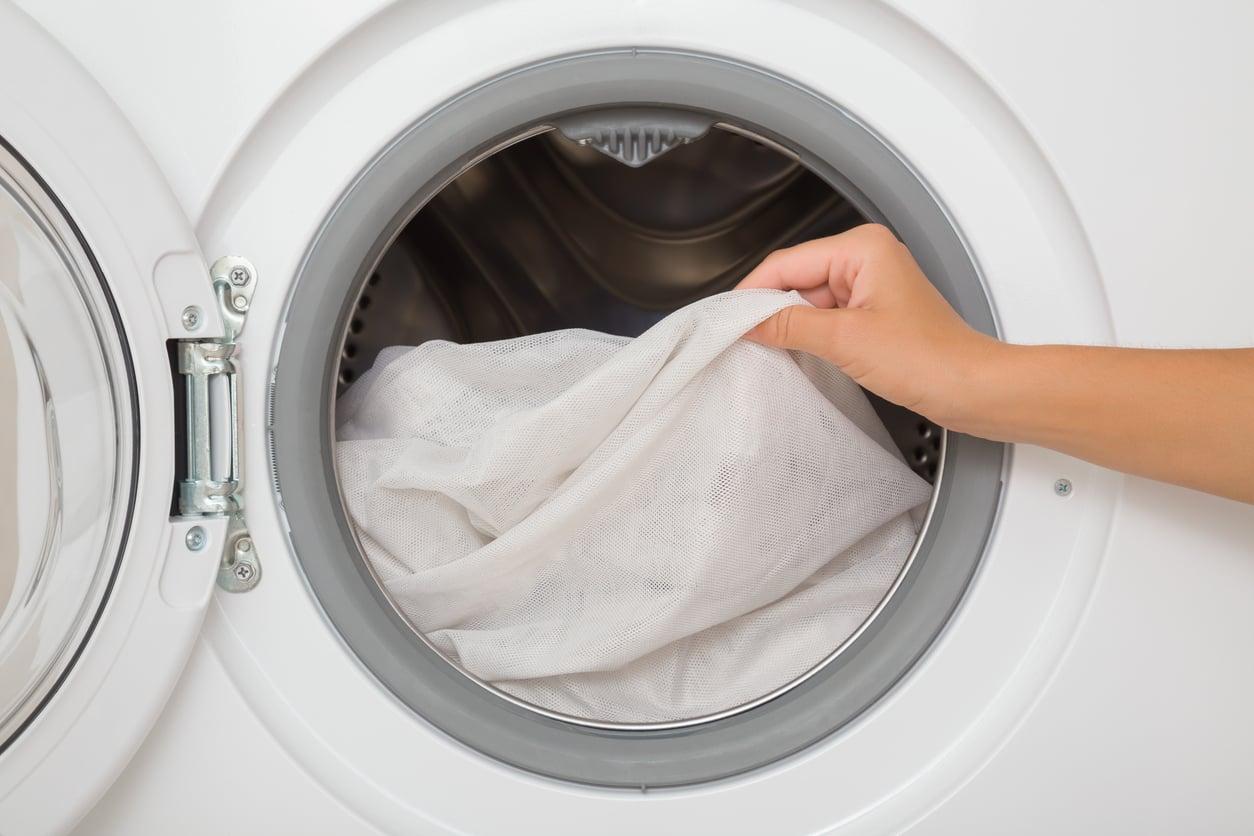
After soaking, wash the curtains according to the temperature shown on the care label, using a gentle cycle. Most synthetic curtains wash well at 86–104°F (30–40°C), but always follow the fabric's specific instructions rather than guessing.
Alongside your regular detergent, consider adding an oxygen-based stain remover designed for white fabrics — check first that it's suitable for your curtain material. This can tackle stubborn discoloration far more effectively than home remedies alone. Be cautious with chlorine bleach — it can damage or permanently discolor certain fabrics and is best avoided unless specifically recommended for the material.
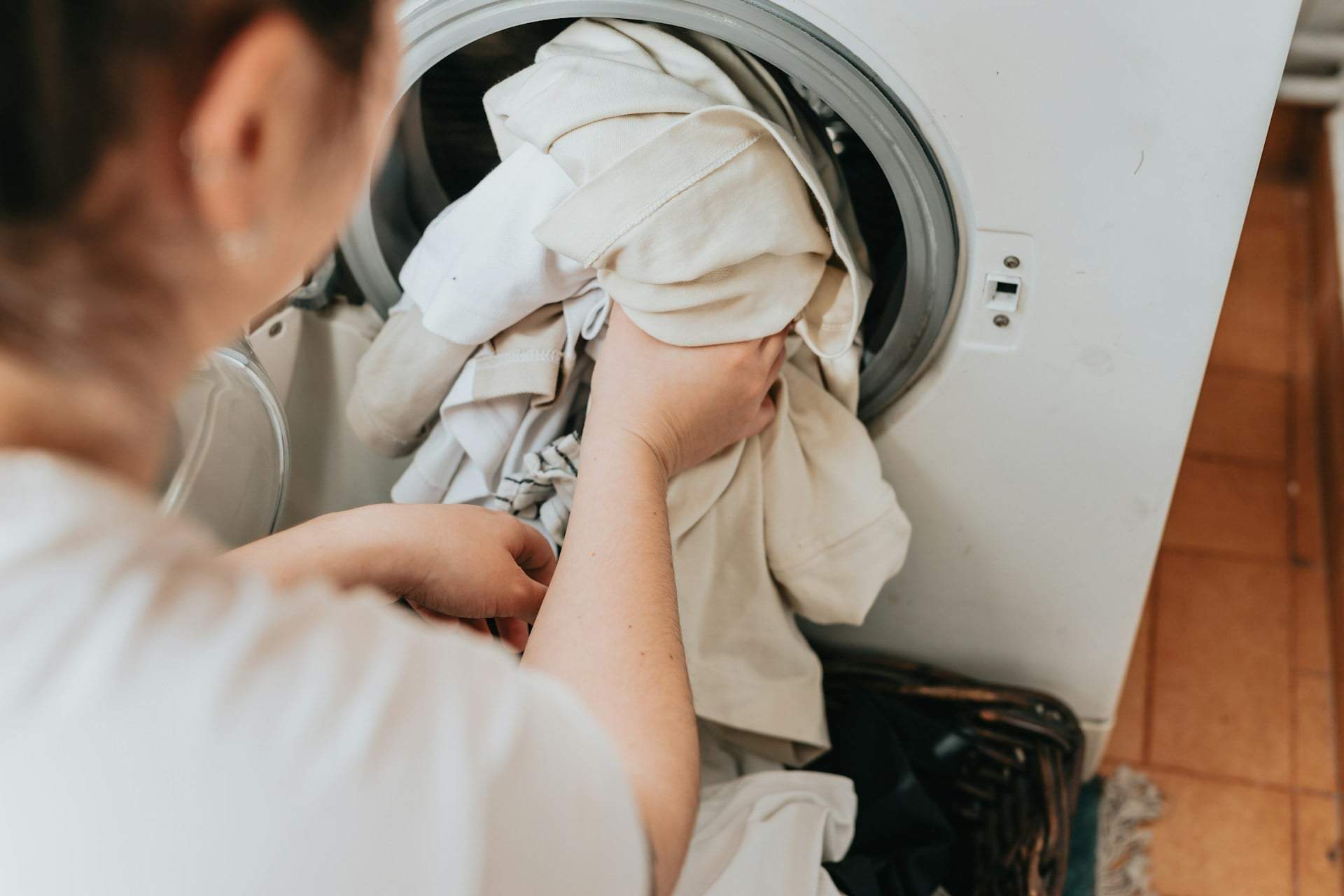
Don't overload the drum. Curtains need room to move freely so that water and detergent can work their way evenly through the fabric. If yours are large, wash them in two separate loads rather than cramming everything in at once.
Rinsing and drying for the best result
A thorough rinse is essential — any detergent left behind in the fibers will attract new dirt faster and leave the fabric looking flat. If you want to add white vinegar to the rinse, only do so if both your curtain's care label and your machine manufacturer's guidelines allow it, and never mix it with any chlorine-based cleaner — the combination produces harmful fumes.
Spin on a low setting if the label permits, then hang the curtains back up while they're still slightly damp. Their own weight will pull out most of the creases as they dry, and in many cases you won't need to iron them at all.
Natural light helps white fabric look its freshest, but prolonged direct sunlight can weaken certain materials over time — so check the care guide before leaving them to dry in full sun.
How to keep white curtains bright for longer
Prevention beats restoration every time. Give your curtains a gentle shake or a light vacuum every few weeks to stop dust from embedding itself in the fibers. How often you wash them depends on the room — a kitchen curtain will need more frequent attention than one in a low-traffic bedroom.
If your curtains still look grey after a proper wash, the discoloration may have become permanent in the fibers. At that point, an oxygen-based whitening product suited to the fabric is your best option — just follow the product instructions carefully.
The secret to bright, clean white curtains isn't a miracle product. It's the combination of a good pre-soak, washing at the right temperature, and keeping on top of maintenance before the grime has a chance to build up. Simple steps, and results you'll notice the moment you hang them back up.
Does baking soda actually whiten curtains?
Baking soda is mildly alkaline and helps loosen dirt and grease from fabric fibers, making the wash cycle more effective. It won't bleach curtains white on its own, but as a pre-soak it significantly improves the final result.
What temperature should I wash white curtains at?
Most synthetic curtains can be washed at 86–104°F (30–40°C) on a gentle cycle. Always check the care label first, as the ideal temperature depends on the specific fabric composition.
Can I use bleach to whiten grey curtains?
Chlorine bleach should be used with caution — it can damage or discolor certain fabrics. An oxygen-based whitener is generally a safer and more fabric-friendly alternative for white curtains.
Why do my curtains go grey even when I wash them regularly?
Regular washing alone often isn't enough to remove the combination of dust and greasy residue that builds up over time. Pre-soaking before washing is the key step that helps loosen this stubborn buildup so it can be fully rinsed away.