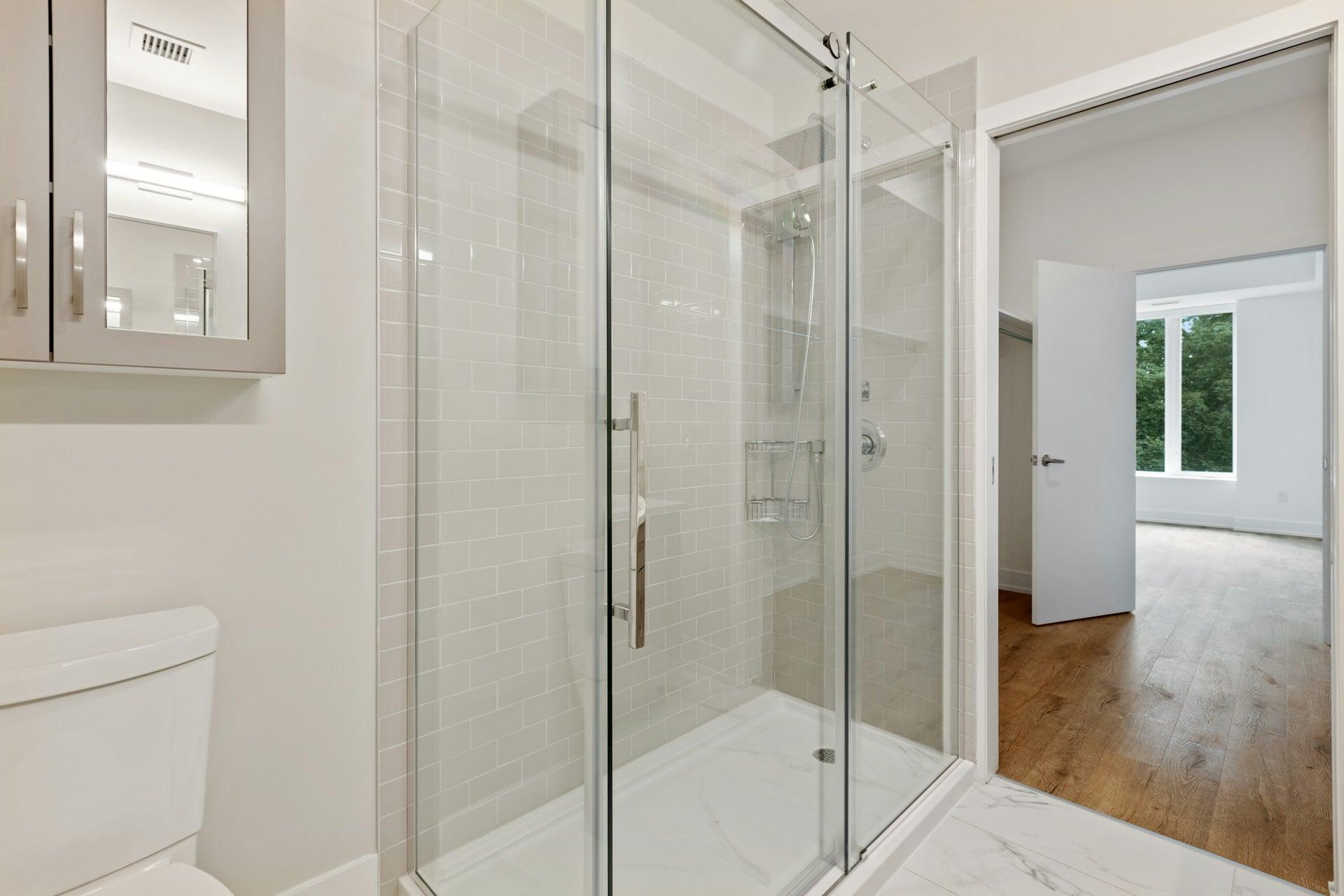
You scrub the shower glass, it looks spotless — and then a few days later, that familiar cloudy haze is back. Hard water minerals and soap scum combine into a stubborn grey-white film that makes the whole bathroom look dirty no matter how often you clean. The good news? Two household staples and one surprisingly clever car product can not only strip the buildup away but slow it from returning in the first place.
Why does limescale stick to shower glass so stubbornly?
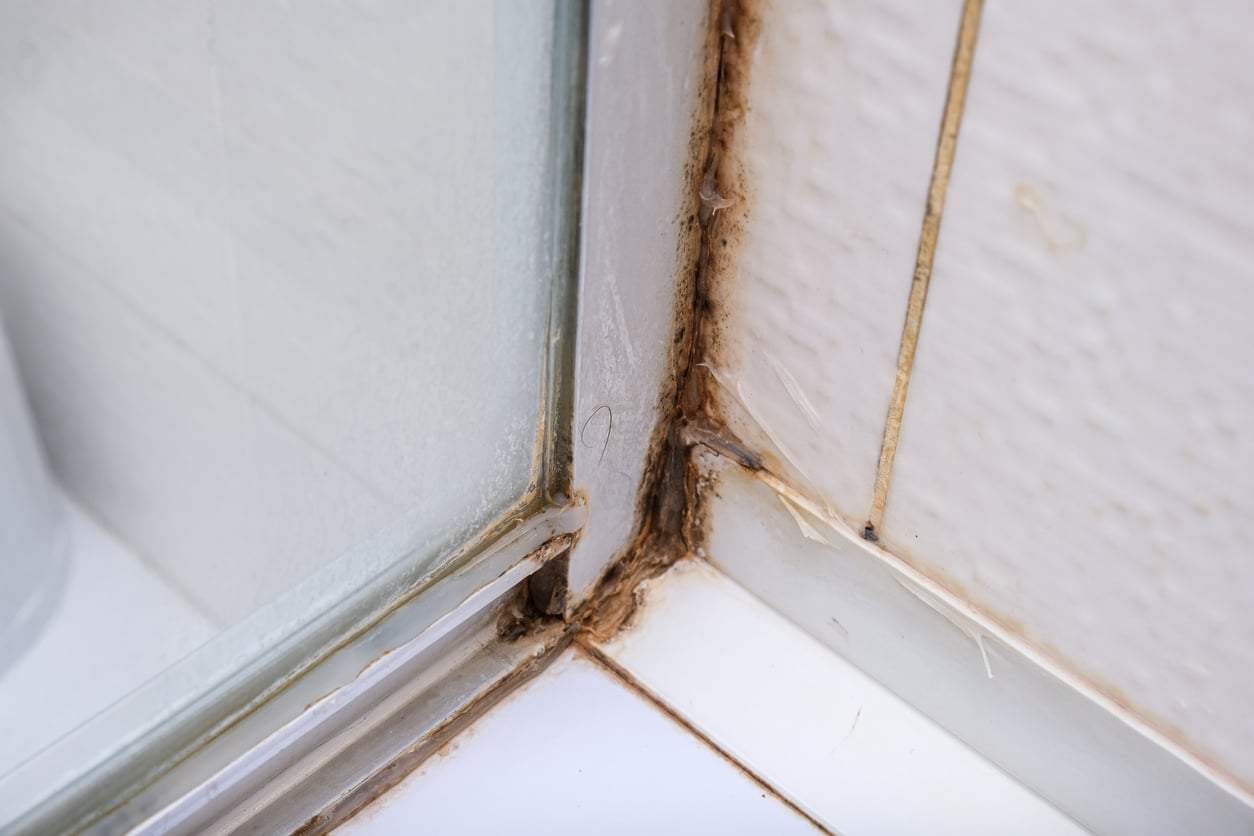
Every drop of tap water that evaporates on your shower glass leaves behind a thin layer of calcium and magnesium minerals. After one shower, it's barely visible. But week after week, those layers stack up and embed themselves into the microscopic grooves of the glass surface. Add soap residue into the mix and you get a bonded grey-white coating that a quick wipe simply won't shift.
The reason acid works so well against limescale is that it dissolves those mineral deposits directly. Dish soap, meanwhile, cuts through the greasy, soapy layer on top — together, they tackle both problems at once.
The vinegar and dish soap combo that actually lifts limescale
This is the cheapest and most effective starting point. White vinegar mixed with dish soap clings to vertical glass surfaces far better than vinegar alone, giving the acid more time to break down the buildup before it drips off.
- Mix equal parts white vinegar and a small amount of dish soap in a small spray bottle.
- Spray the glass thoroughly, paying special attention to the corners and the bottom track, where the heaviest deposits tend to collect.
- Leave it to work for at least 15 to 20 minutes — up to 30 minutes for heavy buildup — so the acid has time to break down the limescale layer.
- Scrub with a non-scratch sponge or a microfiber cloth, then rinse well with plenty of water.
For really stubborn patches, soak a few sheets of paper towel in the vinegar mixture and press them directly onto the glass. This keeps the solution in contact with the surface for longer instead of running straight down.
The car water-repellent spray that works just as well in the bathroom
This one surprises people. Windshield water-repellent sprays — the kind sold at auto parts stores — create a thin silicone or polymer coating on glass that causes water to bead up and roll off rather than spread and dry in place. That same effect works perfectly on shower glass.
Application is straightforward: once the glass is completely clean and bone dry, apply a thin, even layer of the spray and buff it off with a clean dry cloth. The coating typically lasts several weeks, during which water simply runs off the surface instead of drying into mineral deposits.
Important: only apply to completely clean, chemical-free glass. Any residue left behind will stop the coating from bonding properly and it will dry patchy.
How to stop the buildup from coming back
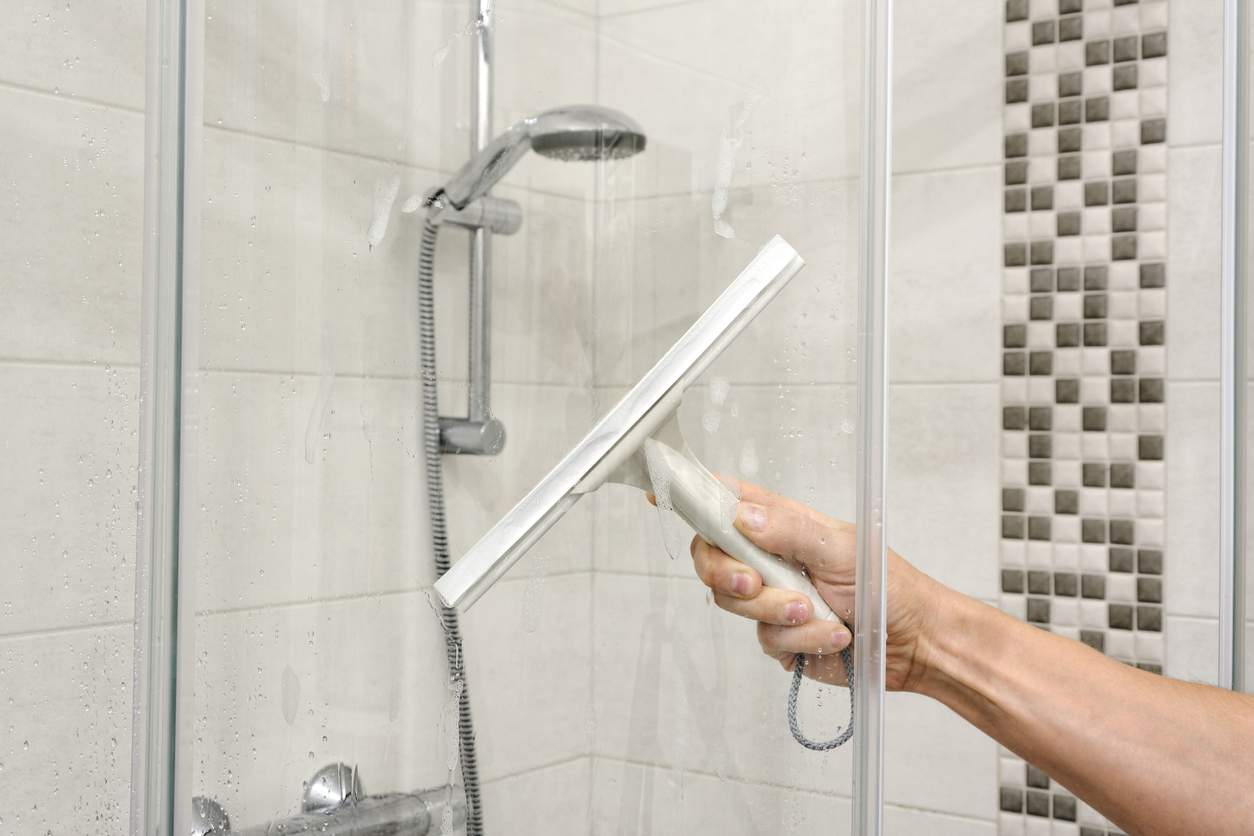
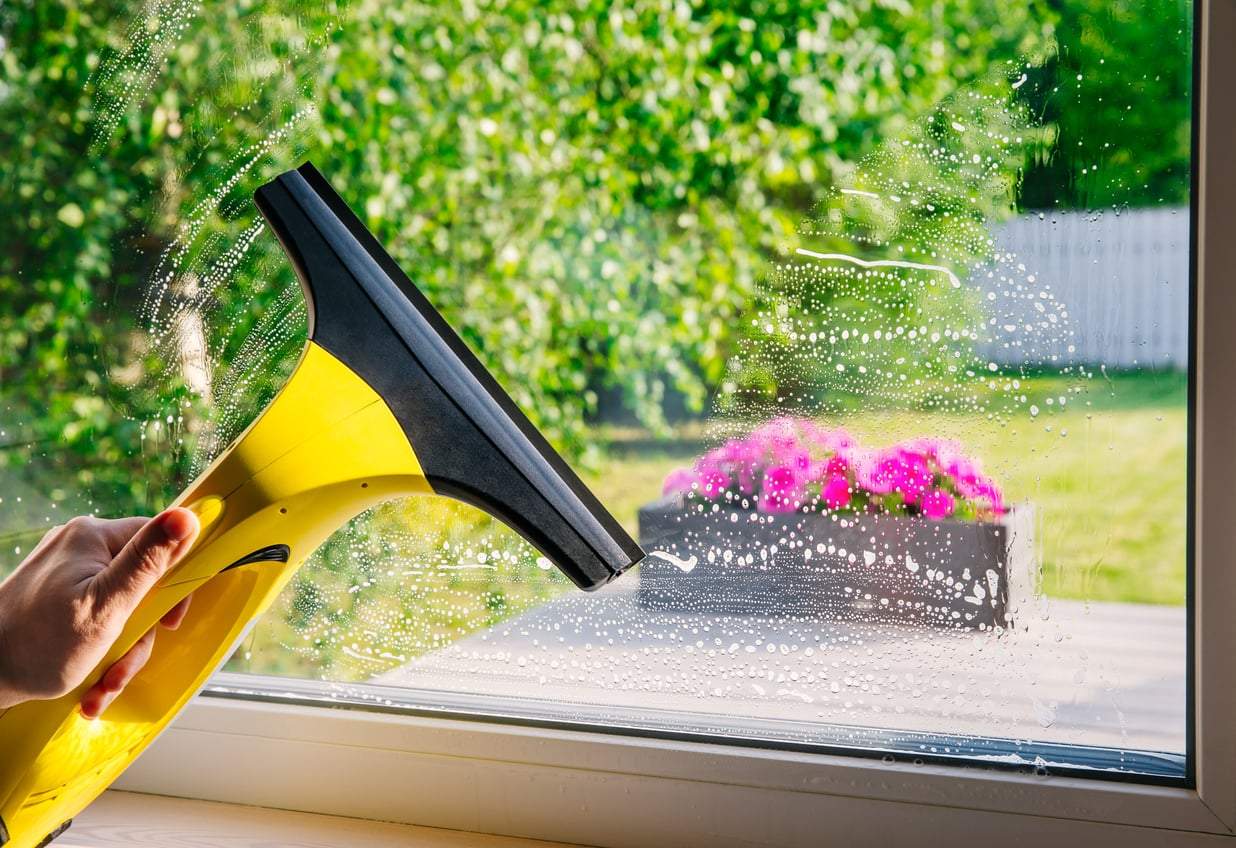
Most limescale spots don't form during a shower — they form after it, as water sits on the glass and slowly evaporates. A simple rubber squeegee pulled across the glass after every shower removes most of the water before it gets a chance to dry. On its own, this single habit dramatically reduces how fast new deposits build up. Combined with the water-repellent coating, the two methods together can keep the glass noticeably cleaner for far longer.
It's also worth building in a quick vinegar-and-soap spray once a week, even before any buildup is visible. A fresh, thin mineral film is far easier to remove than one that has been drying and thickening for weeks.
How often should you clean shower glass to prevent limescale?
A quick squeegee after every shower makes the biggest difference. A light vinegar spray once a week prevents fresh mineral layers from hardening, so you rarely need to do a deep clean.
Is white vinegar safe to use on all shower glass?
White vinegar is safe on standard tempered glass. Avoid leaving it on chrome fittings or stone surfaces for extended periods, as prolonged acid contact can cause dull spots on those materials.
How long does a water-repellent coating last on shower glass?
Most windshield-style water-repellent sprays last a few weeks on shower glass with regular use. Reapply when you notice water is no longer beading and rolling off as cleanly as it did after the first application.
Can I use any dish soap with white vinegar?
Any standard dish soap works. The soap's job is to help the mixture cling to the vertical glass surface and cut through greasy soap scum, so a small amount is enough — you don't need a specialist product.