A dishwasher is the one appliance we assume cleans itself, on the grounds that it is full of hot water and detergent several times a week. Then one morning you open it and there is a faint smell of old dishcloth, the bottom rack has grit on it, and every glass has come out with a grey film that no amount of polishing shifts. None of that means the machine is finished. It almost always means three specific parts need attention, and the whole job takes about as long as a load of toast and tea.
The three places the grime actually lives
Start with the filter, which is the cylinder or flat mesh sitting in the floor of the machine, usually released with a quarter turn. Lift it out over the sink and you will probably find a layer of softened food, seeds, bits of label and grease. Rinse it under hot running water and work a soft washing-up brush or an old toothbrush through the mesh until the light passes through it again. If it feels greasy, a drop of washing-up liquid helps. Do not scour it — damaging the mesh lets debris back into the pump.
Next, the spray arms. Spin them with a finger; they should move freely. The small holes along the top clog with limescale and grit, which is why the top rack sometimes comes out half-washed. Most arms unclip with a gentle twist of the centre nut. Poke each hole clear with a cocktail stick or a straightened paperclip and rinse them through.
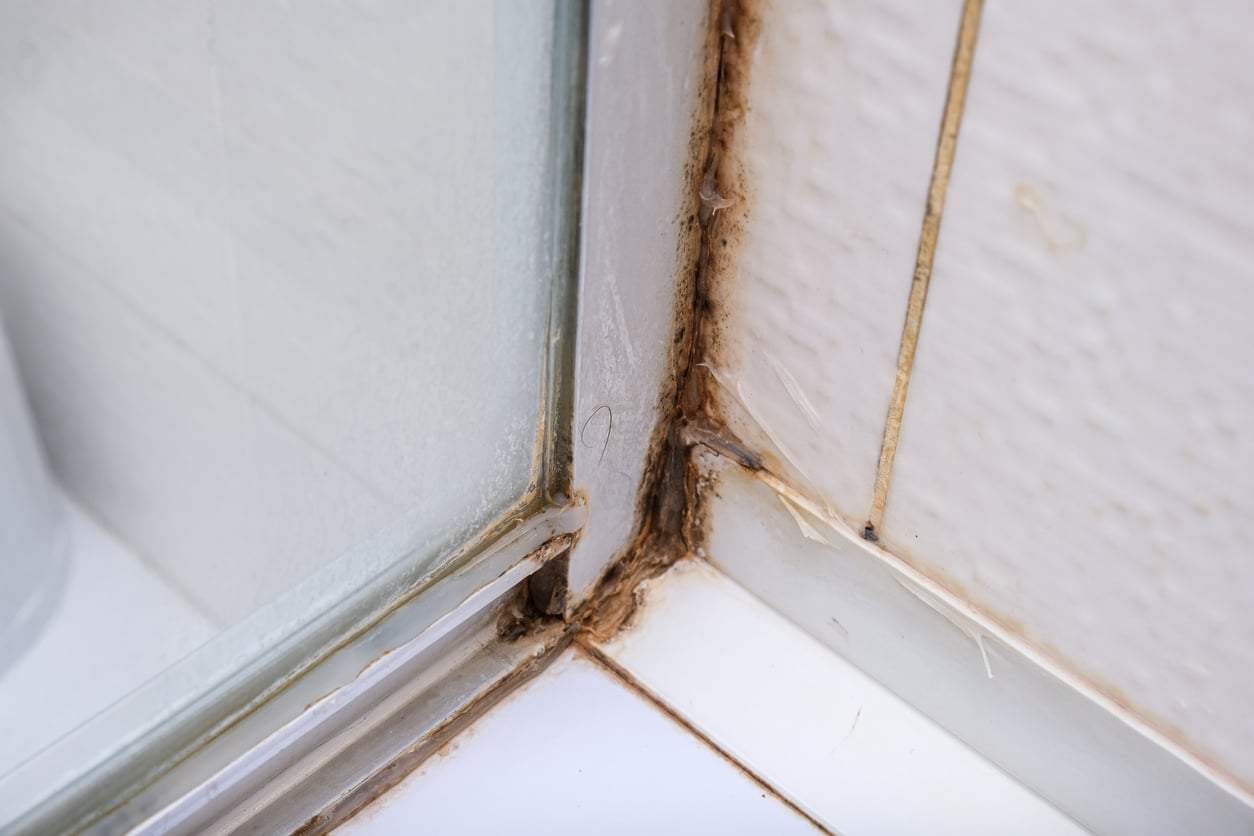
Finally, the door seal and the lip at the very bottom of the door — the strip below where the water reaches. This is where black speckling and the sour smell start, because it never gets properly rinsed. Wipe along the folds of the rubber gasket with a cloth wrung out in hot soapy water, then dry it. Do the same around the detergent drawer, where old powder sets like cement.
The monthly hot run
With the filter back in and the machine empty, run the hottest, longest cycle you have. To cut grease and soften scale, you have two sensible options. Put a heatproof bowl of white vinegar on the top rack and run the cycle, or use a sachet of citric acid or a purpose-made dishwasher cleaner in the detergent compartment. Citric acid is the gentler choice if you run it often, since repeated strong acid can be hard on rubber seals over time; alternate rather than doing the same thing every month. Never combine any acid with bleach-based products in the same cycle.
While the machine is hot and empty, check your salt and rinse aid if your model uses them. In a hard-water area, these do more for glassware than the detergent does.
Cloudy glasses: film or etching?
There is a simple test. Dip a corner of a cloth in white vinegar, rub a cloudy glass and rinse. If the haze lifts, you are dealing with limescale and detergent film, which is fixable: more rinse aid, a water-softening salt top-up, slightly less detergent, and a hotter wash. If the cloudiness stays exactly as it was, the glass is etched — microscopic pitting caused by very soft water, too much detergent or very high temperatures over time. Etching is permanent, and the only cure is prevention for the glasses you still have: lower temperature, less detergent, and hand-washing anything thin and precious.
How often should I clean my dishwasher?
Rinse the filter weekly if you cook a lot, or every fortnight in a quieter kitchen — it takes under two minutes once it becomes a habit. Give the machine a full empty hot cycle with a descaling or cleaning product roughly monthly, and more often if you live somewhere with very hard water or you notice a smell returning quickly. Wiping the door seal whenever you wipe the kitchen surfaces will prevent most odour problems before they begin.
Can I put vinegar in the dishwasher?
Yes, as an occasional cleaner: a bowl of white vinegar on the top rack during an empty hot cycle is a long-standing method and works well on grease and light scale. Avoid pouring it into the detergent dispenser, where it is released at the wrong moment, and avoid using it every single week, as the acid is not kind to rubber gaskets in the long run. If you prefer to be cautious, a citric acid sachet or a dedicated machine cleaner does the same job with less wear.