That sticky, greasy film on your range hood is one of those kitchen problems that sneaks up on you. One day it's fine, the next it's practically varnished in grease. A quick wipe with a damp cloth doesn't stand a chance — but before you reach for harsh chemical cleaners, there's a surprisingly simple home remedy worth trying first.
Why does a range hood get so sticky?
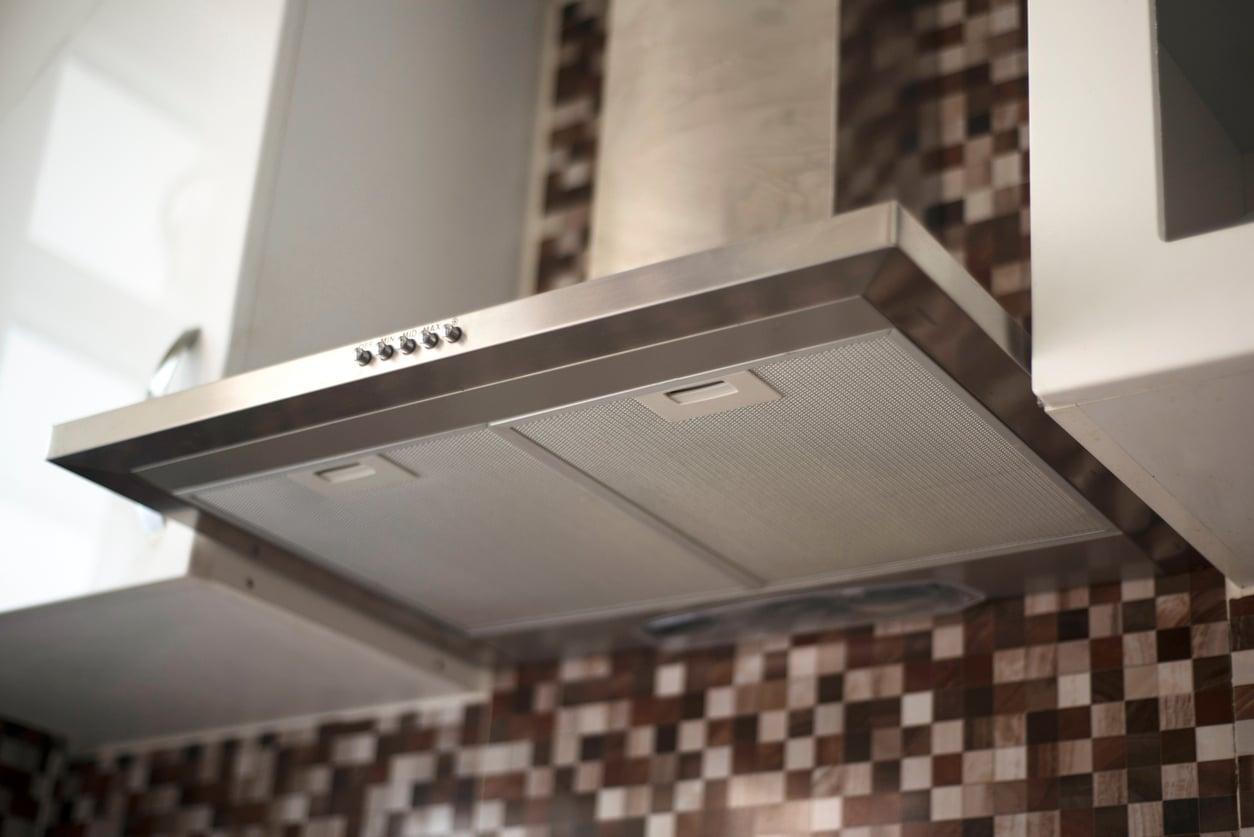
Every time you cook, tiny droplets of fat and oil rise into the air along with steam. These particles settle on the hood's surface and around the filter, and over time they build up into thicker and thicker layers.
Fresh grease is still relatively easy to wipe away. But older buildup mixes with dust and hardens into a dense, sticky residue that regular cleaning can't shift. Leave it long enough and the surface can take on an almost lacquer-like sheen — tacky to the touch and stubborn to remove.
What you'll need
- Hot water
- A few drops of dish soap
- A small amount of cooking oil
- A soft microfiber cloth or sponge
- An old toothbrush for corners and hard-to-reach spots
The trick: loosen the grease with oil first
It sounds counterintuitive, but using a little cooking oil to tackle a greasy surface actually works. The fresh oil penetrates and softens the old, hardened buildup — making it far easier for hot soapy water to lift away afterward.
Just add a few drops of cooking oil to a soft cloth and gently rub it over the greasiest areas. Let it sit for a few minutes before you start the actual cleaning. Think of it as a pre-treatment, not the solution itself.
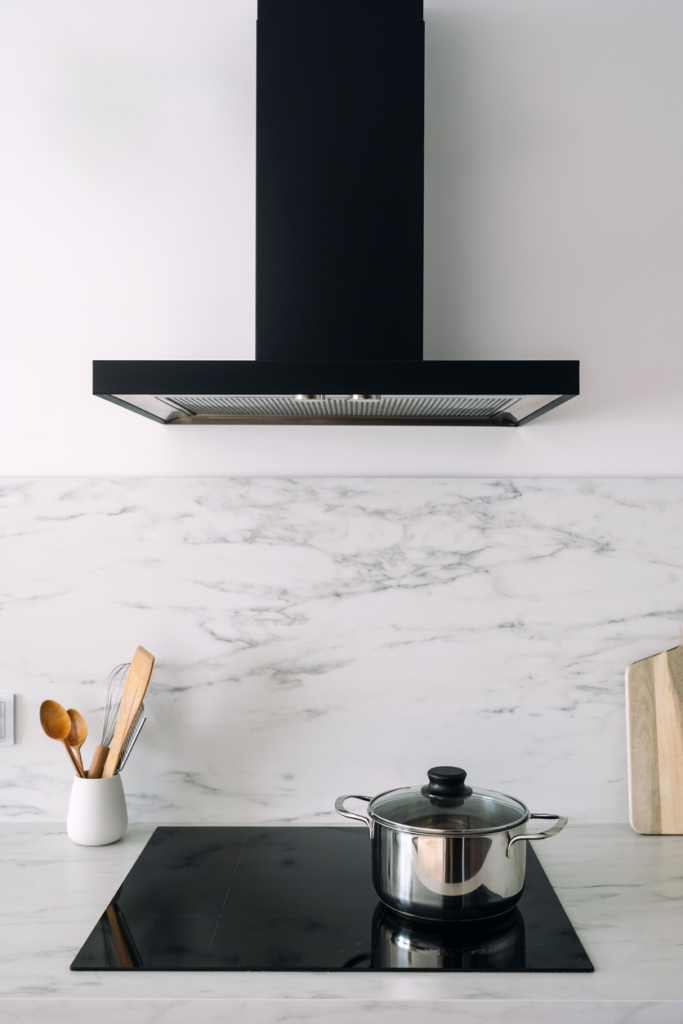
Step-by-step cleaning guide
- Turn off the range hood and unplug it from the power supply if possible.
- If the filter is removable, take it out and set it aside for separate cleaning.
- Put a few drops of cooking oil onto a soft cloth.
- Rub it gently over the areas with the heaviest grease buildup.
- Leave it to work for about three to four minutes so the residue softens.
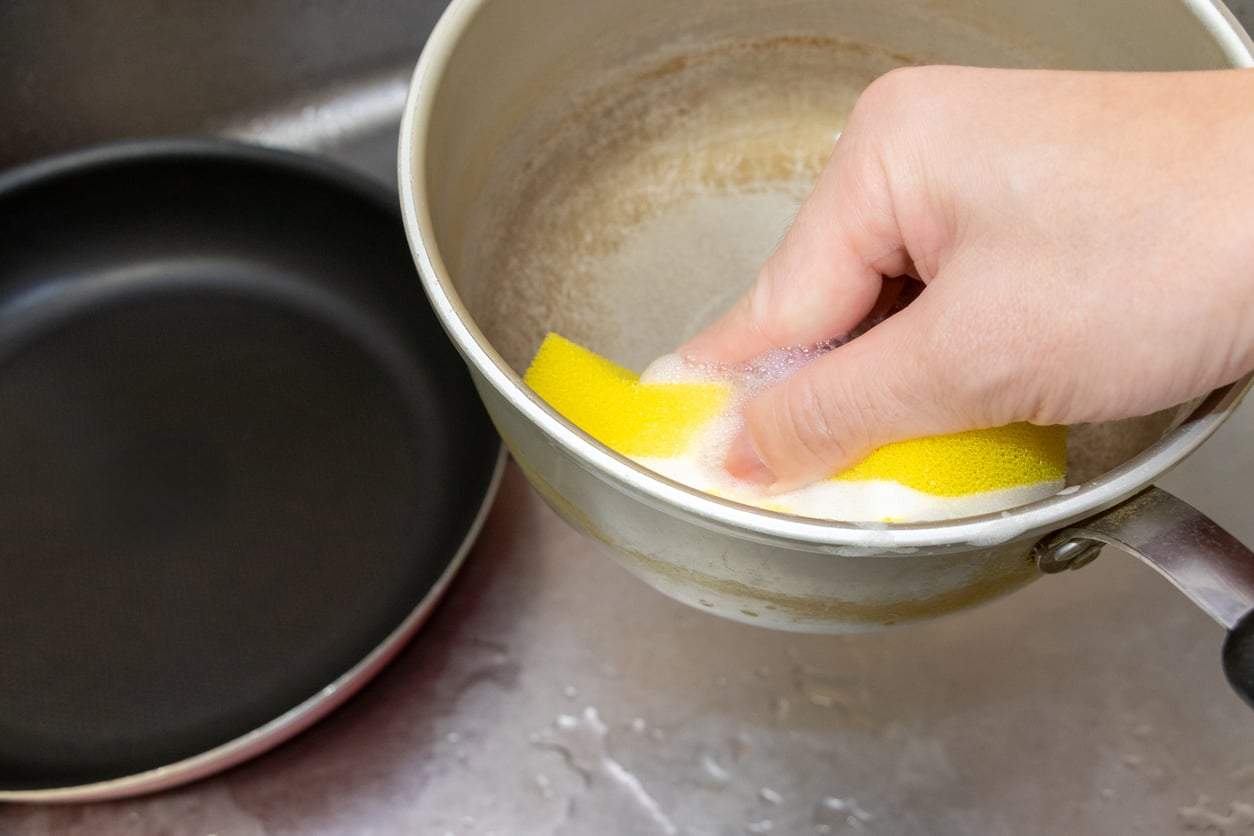
- Mix hot water with a generous squeeze of dish soap and wipe the surface down with a clean sponge.
- Use an old toothbrush to scrub into corners, seams, and tight spots.
- Finish with a clean damp cloth, then buff dry with a fresh microfiber cloth for a streak-free shine.
One important note: after the oil pre-treatment, make sure you wipe the surface thoroughly with soapy water. Skip this step and you'll just be left with a fresh layer of oily residue instead of a clean hood.
When the filter is heavily clogged
The filter deserves separate attention — especially if it's visibly blocked with built-up grease. Place it in a basin of hot, soapy water and let it soak for at least 30 minutes.
After soaking, use a soft brush or old toothbrush to gently scrub the mesh. If the buildup is particularly stubborn, repeat the soak rather than scraping hard at the metal — aggressive scrubbing can damage the filter surface.
If your filter's manufacturer instructions confirm it's dishwasher-safe, that's another easy option. Not all filters can be cleaned the same way, so it's worth checking before you toss it in.
Don't wait until it's already a sticky mess
Like most kitchen cleaning tasks, keeping on top of your range hood is far easier than playing catch-up. Give the exterior a quick wipe every now and then, and clean the filter as often as the manufacturer recommends.
If you wipe away fresh grease soon after cooking, it never gets the chance to mix with dust and harden into that stubborn layer. Your hood will look better for longer — and cleaning it will take minutes rather than a full scrubbing session.
Does cooking oil really work on grease buildup?
Yes — fresh oil helps dissolve and loosen old, hardened grease by breaking down its structure. The key is to follow it with a thorough wipe-down using hot soapy water, which removes both the old grease and the oil you applied.
How often should I clean my range hood filter?
It depends on how often you cook, but as a general rule follow your manufacturer's guidelines. The more you cook — especially with oil or at high heat — the more frequently the filter needs attention to keep airflow and suction effective.
Can I use any type of cooking oil for the pre-treatment?
Any neutral cooking oil works well — vegetable oil, sunflower oil, or canola oil are all fine. You only need a small amount on a cloth, so there's no need to use anything expensive.
What's the best way to clean the range hood without scratching it?
Always use a soft microfiber cloth or sponge rather than abrasive pads. For stubborn spots in corners and seams, an old toothbrush gives you precision without the risk of scratching the surface.