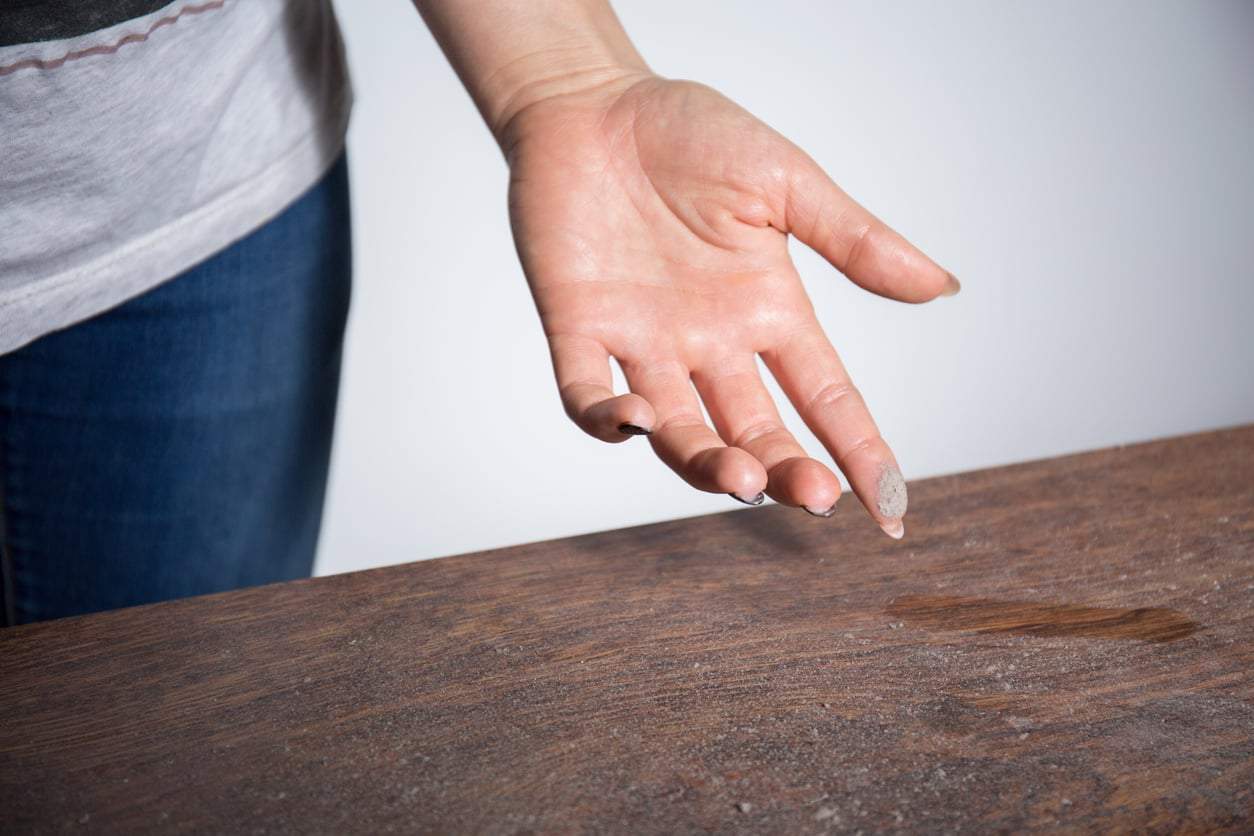
If your kitchen cabinet doors feel sticky no matter how often you wipe them down, the culprit is almost certainly a buildup of grease mist and dust — not a damaged surface. Every time you cook, tiny fat particles float through the air and settle on nearby furniture. Over time, that invisible film thickens into a stubbornly tacky layer that a quick wipe just won't fix.
Why do cabinet doors get sticky in the first place?
Cooking and frying release fine grease particles into the air that land on every nearby surface — including your cabinet doors. Dust sticks to the grease, and the two bond together into a tough, sticky coating that gets harder to remove the longer you leave it.
The problem is especially noticeable near the stove, on upper cabinets, and around door handles. The good news? In most cases the cabinet surface itself isn't damaged — it just needs a thorough but gentle clean.
How to remove the sticky buildup
Start with the mildest method and only move to something stronger if it doesn't work.
- Mix a small amount of dish soap into warm water. The surfactants in dish soap are surprisingly effective at cutting through greasy residue.
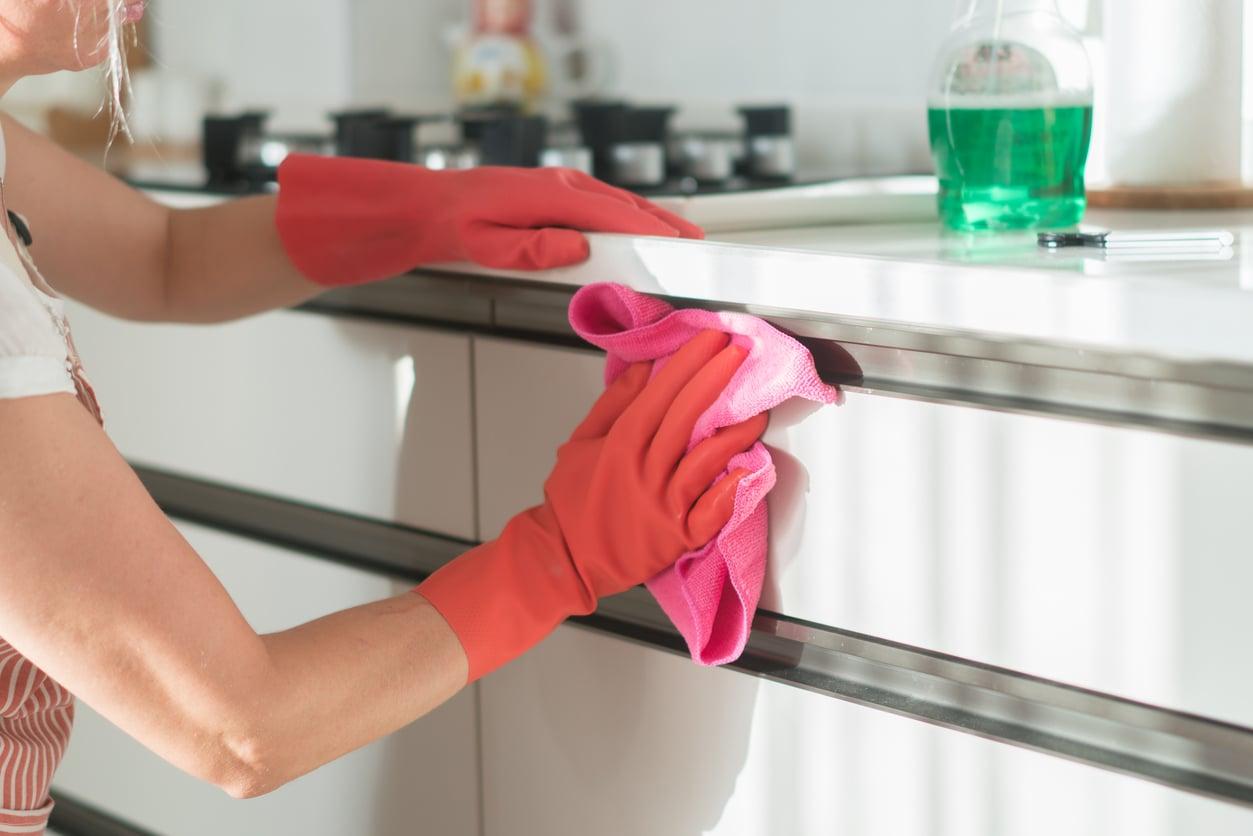
- Wipe the surface with a soft microfiber cloth. Don't soak the door — especially if it's laminated or wrapped in a foil finish, as excess moisture can cause lifting or warping.
- For stubborn spots, let the soapy water sit for a moment. Give it 30 seconds to a minute to loosen the grease layer, then wipe gently.
- Remove any soap residue with a clean, slightly damp cloth, then finish with a dry cloth to make sure no moisture is left behind.
Before using any cleaner, test it on a hidden area first. High-gloss, lacquered, painted, or foil-wrapped finishes can be sensitive to harsh products. Always avoid abrasive powders, rough scouring pads, and strong solvents — these can scratch or dull the surface permanently.
What to do if the door is still sticky after cleaning
If the surface remains tacky after a thorough clean, simple grease buildup probably isn't the only issue. The cabinet's finish may have aged and degraded, the foil wrap could be lifting, or residue from a previous cleaning product might be causing that unpleasant feel.
In this case, don't try to fix it with oil or other home remedies — these will likely make things worse. If the surface is bubbling, peeling, or still sticky after cleaning, it's worth looking into a proper repair or refinishing solution suited to your cabinet material.
How to prevent sticky cabinets from coming back
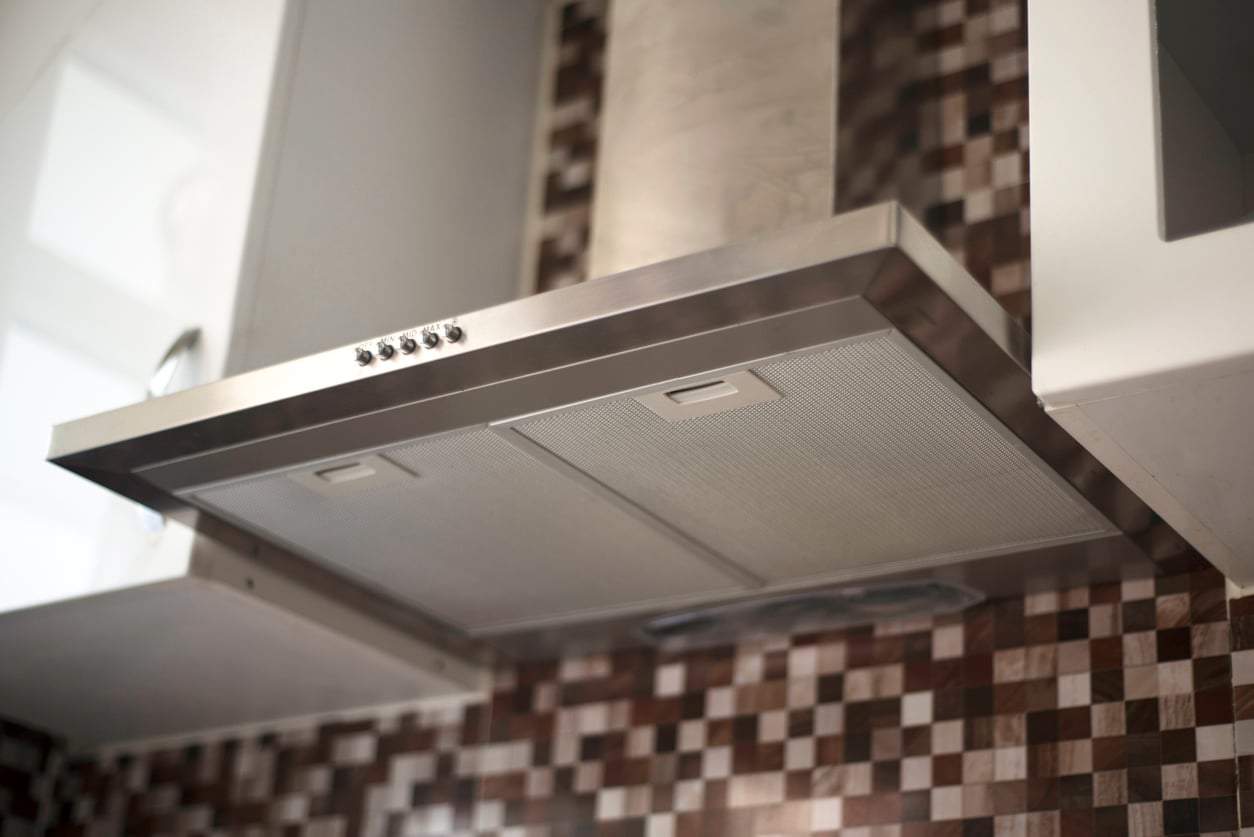
Keeping on top of the problem is far easier than tackling a thick, old grease layer. Use your range hood every time you cook, and wipe up any splashes as soon as they happen — fresh grease comes off in seconds.
Give your cabinet doors a quick wipe with a lightly soapy cloth every week or two. The key is not to wait until grease and dust have fused into a thick, hard-to-remove layer. With a little routine maintenance, keeping your kitchen cabinets clean takes barely any time or effort at all.
What's the best homemade cleaner for sticky cabinet doors?
Warm water mixed with a few drops of dish soap is the most effective and safest starting point. It cuts through grease without risking damage to painted, lacquered, or foil-wrapped finishes.
Can I use vinegar or baking soda on cabinet doors?
These are popular home remedies, but they come with risks. Acidic solutions like vinegar can dull or damage certain finishes, and abrasive powders like baking soda may scratch high-gloss surfaces. Always test on a hidden spot first.
Why do the areas around handles get stickiest?
Handles are touched constantly, transferring skin oils and cooking residue directly onto the surrounding surface. Combined with airborne grease from cooking, this area tends to accumulate buildup faster than the rest of the door.
How often should I clean my kitchen cabinet doors?
A light wipe-down every one to two weeks is enough to prevent sticky buildup. Cabinets close to the stove or oven may need more frequent attention, especially if you cook regularly.